

#babyfrancoiscoming
On the heels of Judah’s Israel Bar Mitzvah, we wanted to take advantage and travel to a part of Europe that wasn’t as accessible from the US. We settled on Prague, with its rich Jewish history and plenty of places to visit. We stopped over in Athens on the way, and took a day to explore the ruins, especially the Acropolis. We were a bit on edge going to Athens because of the government debt crisis, and were worried we couldn’t take money from ATMs! In the end, it wasn’t an issue at all.
Athens
Wednesday
Athen’s Walking Tour – After flying in the night before, we had a full day to enjoy Athens. The main sites of the city are pretty close together and the city is very walkable. Our hotel had breakfast served on the rooftop with views of the Acropolis. We arranged to have a tour guide, Angelos, take us around as the ruins need explanation.
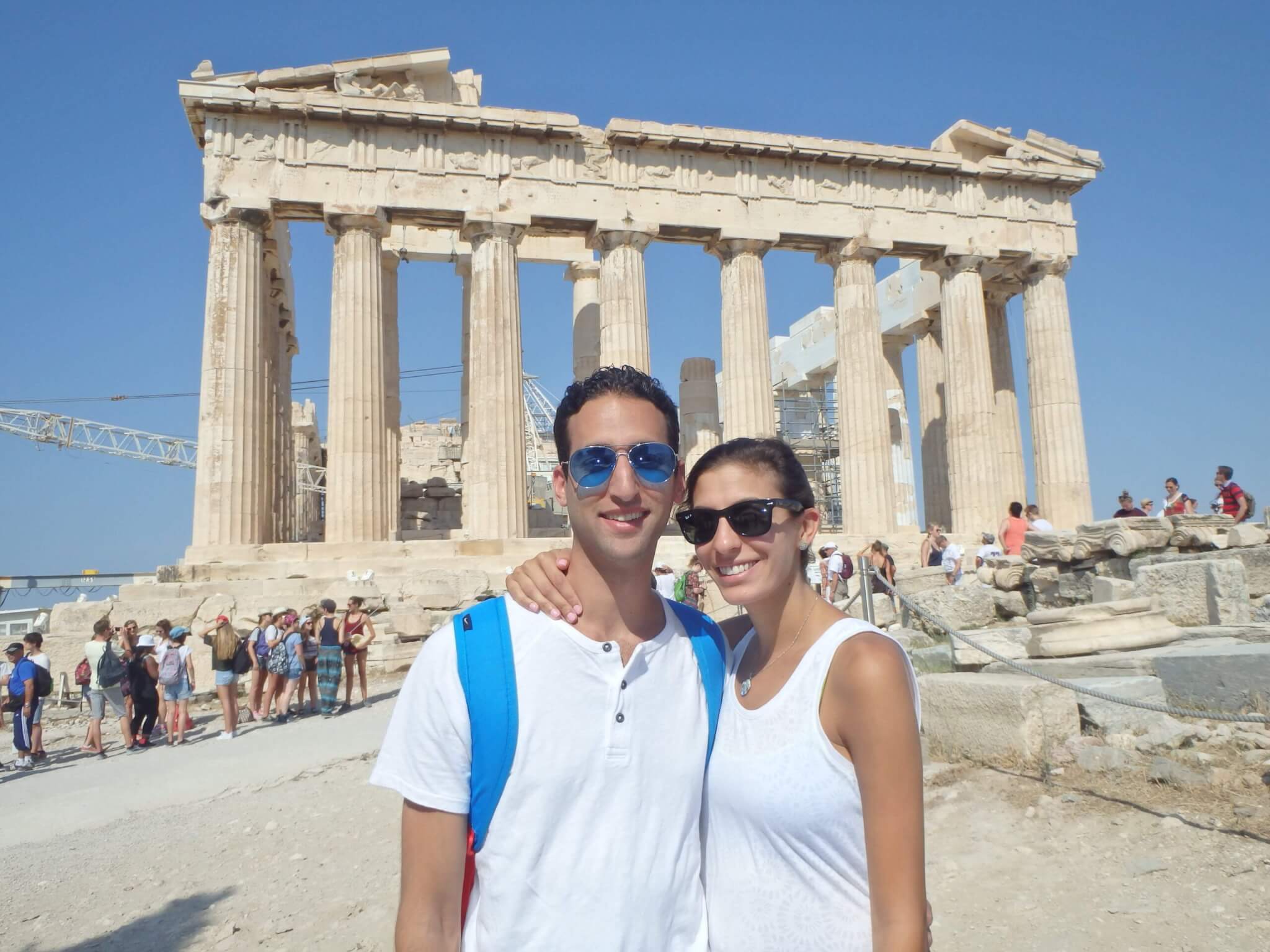
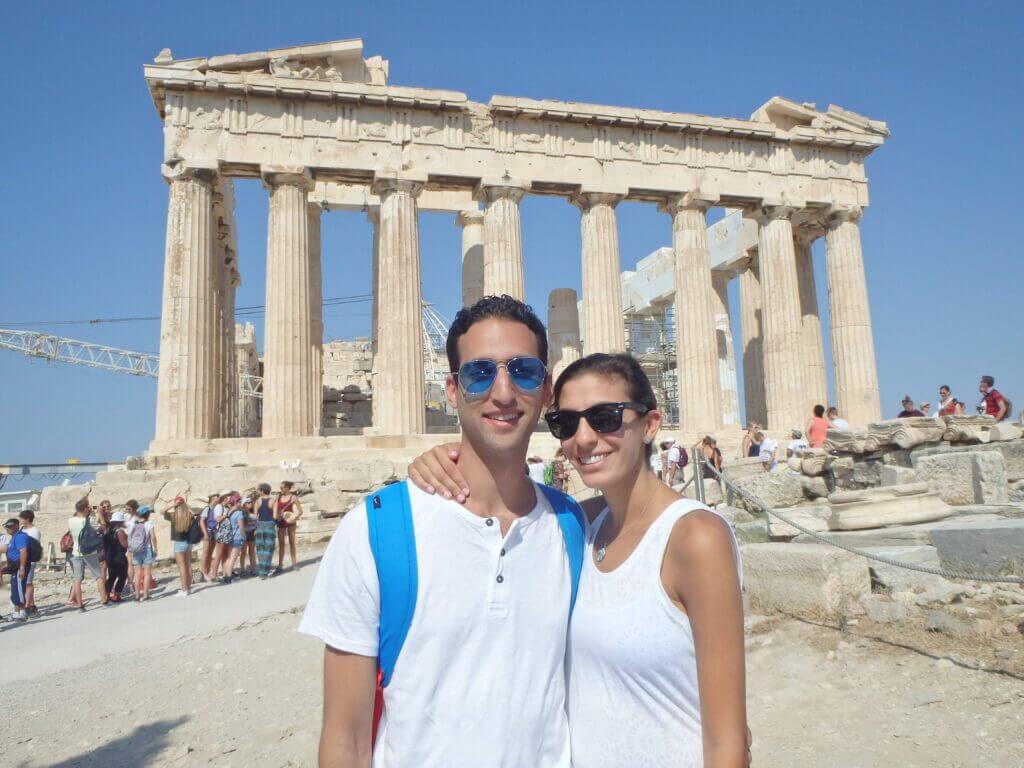
Acropolis – We started out at the Acropolis, which was a bit of a climb to reach the top. The main building, the Parthenon, was the classical example of Greek architecture. The temple was dedicated to Athena, and told the story of her triumph over Poseidon (and his spring of water). Also atop the Acropolis was the Erechtheion with an olive tree and salt water well. We also visited the Acropolis Mueseum, which held many of the statues that adorned the Parthenon and other ruins.
Also on our tour, we visited:
- Theater of Dionysus – outdoor theater where competitions were held, and were free to attend. Clergy sat in special seats in the front that had built in toilets so they didn’t have to leave to go to the bathroom!
- Hadrian’s Arch – Temple to Zeus. Hadrian expanded Athens in the Roman 2nd century.
- Syntagma Square & Zappion Parliament Building – Dressed up guards in their summer uniforms stood on guard. Their uniforms had linen pants, a fez, and shoes with 1,000 nails. Tomb of the unknown soldier was a memorial to soldiers who died in the interwar period.
- Walk through town – taking the subway, you can even see pottery and ruins. They were everywhere
- Ancient Agora – marketplace where democracy happened. We saw pottery, Ostrakon – voting system
- Temple of Hephaestus – another ancient temple
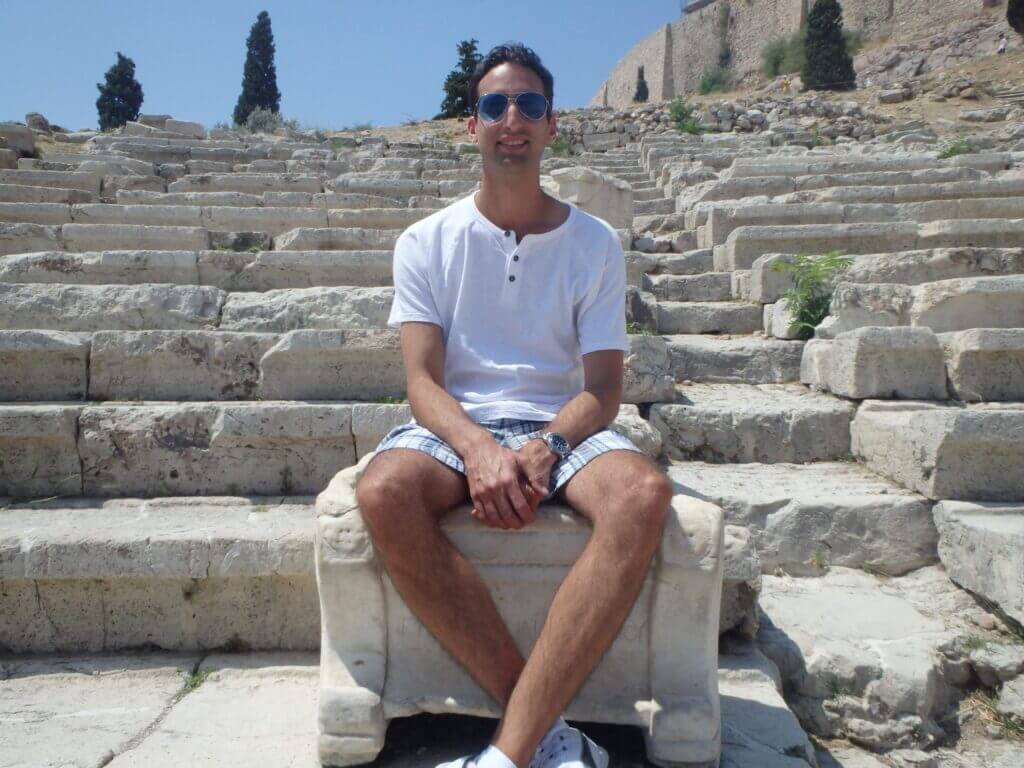
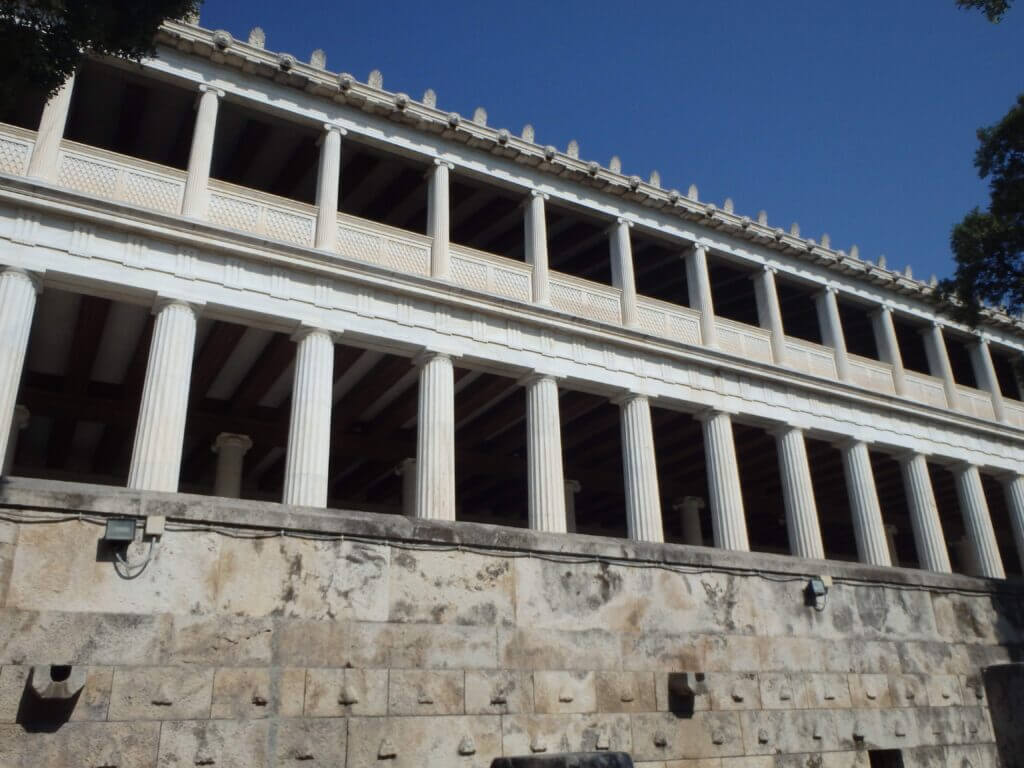
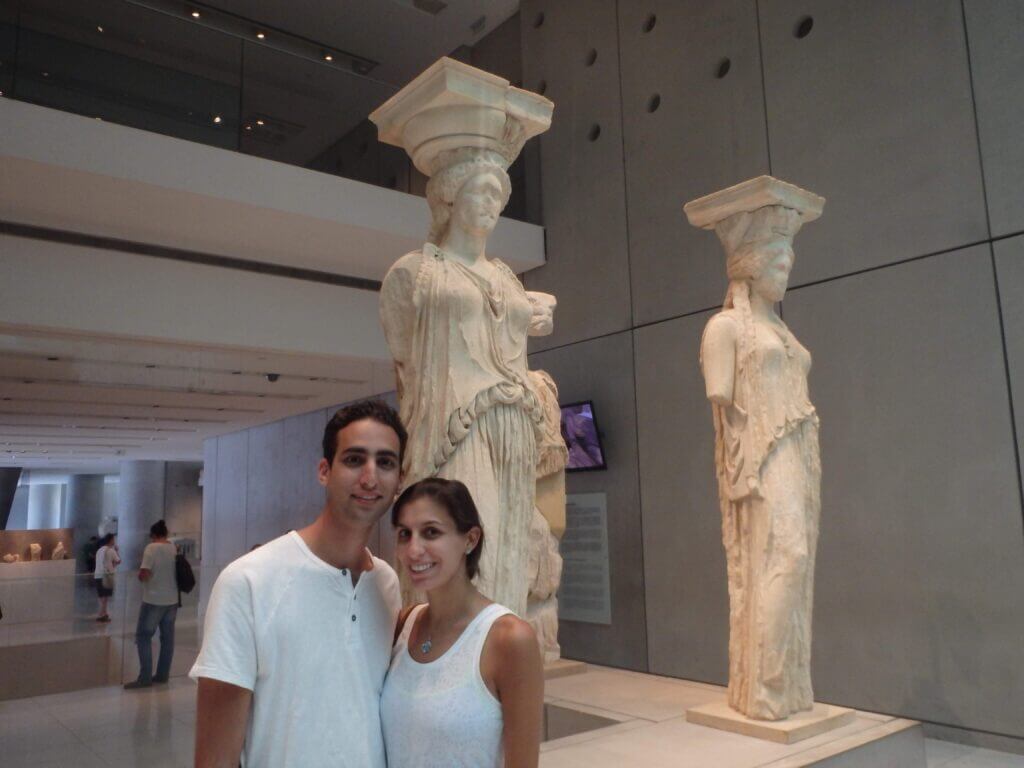
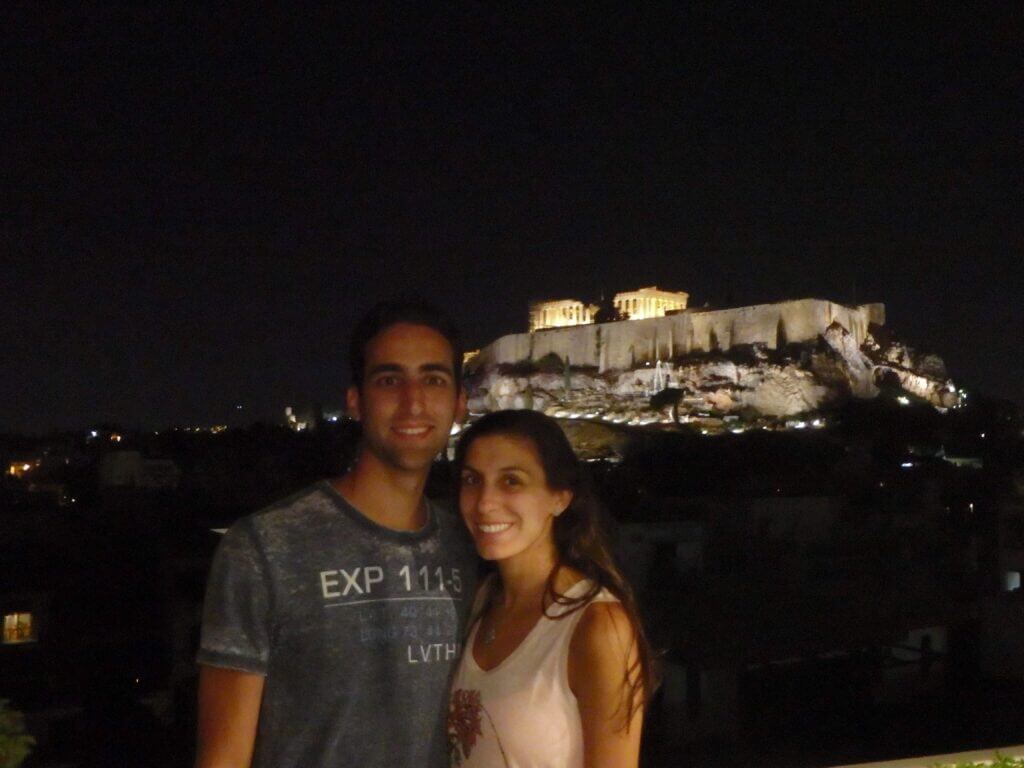
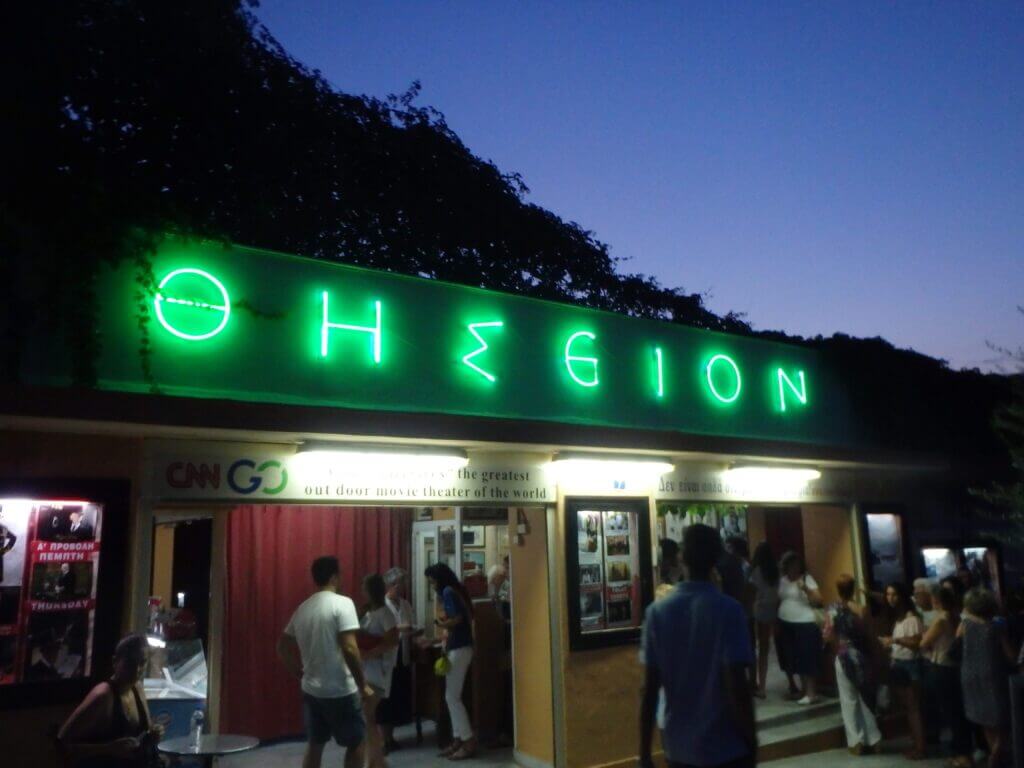
Cine Thesio – We grabbed dinner at Gostijo, where we got to know the friendly owner and enjoy Jewish Greek/ Mediterranean food. Afterwards, we saw “She’s Funny Like That” in an outdoor movie theater.
Thursday
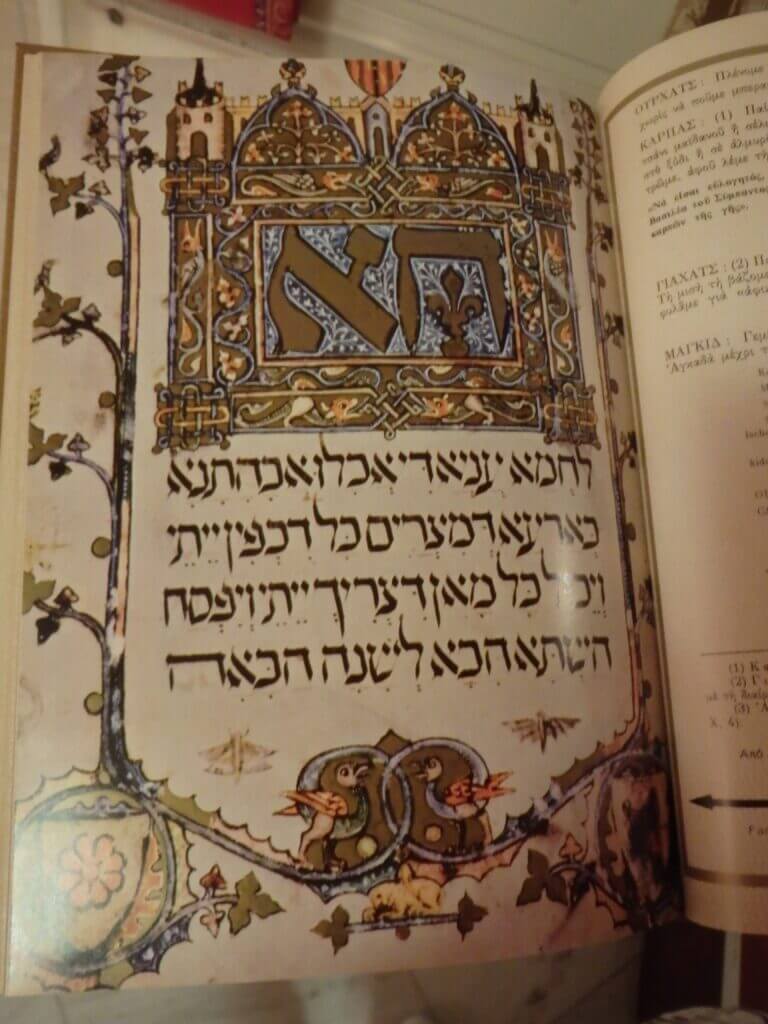
Jewish Museum of Greece – Exhibits showed traditional Jewish life in Greece. Greece had a large Jewish community in Salonica that was destroyed in WWII with Nazi occupation. Other communities were able to protect their Jews.
Prague
Thursday Night
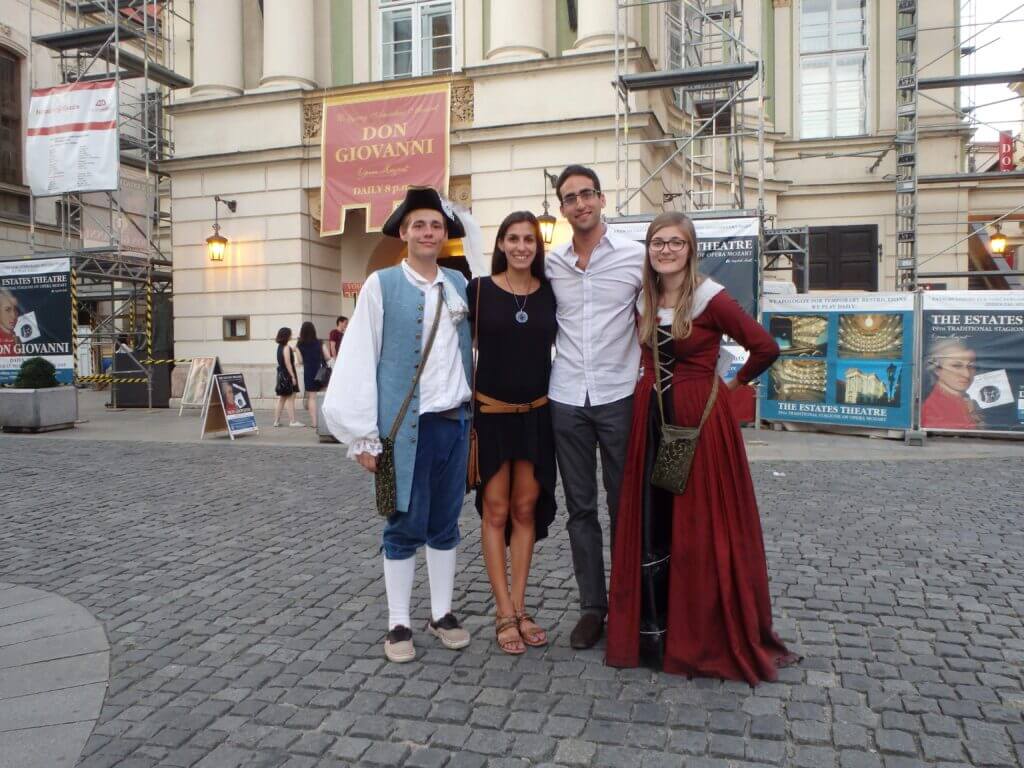
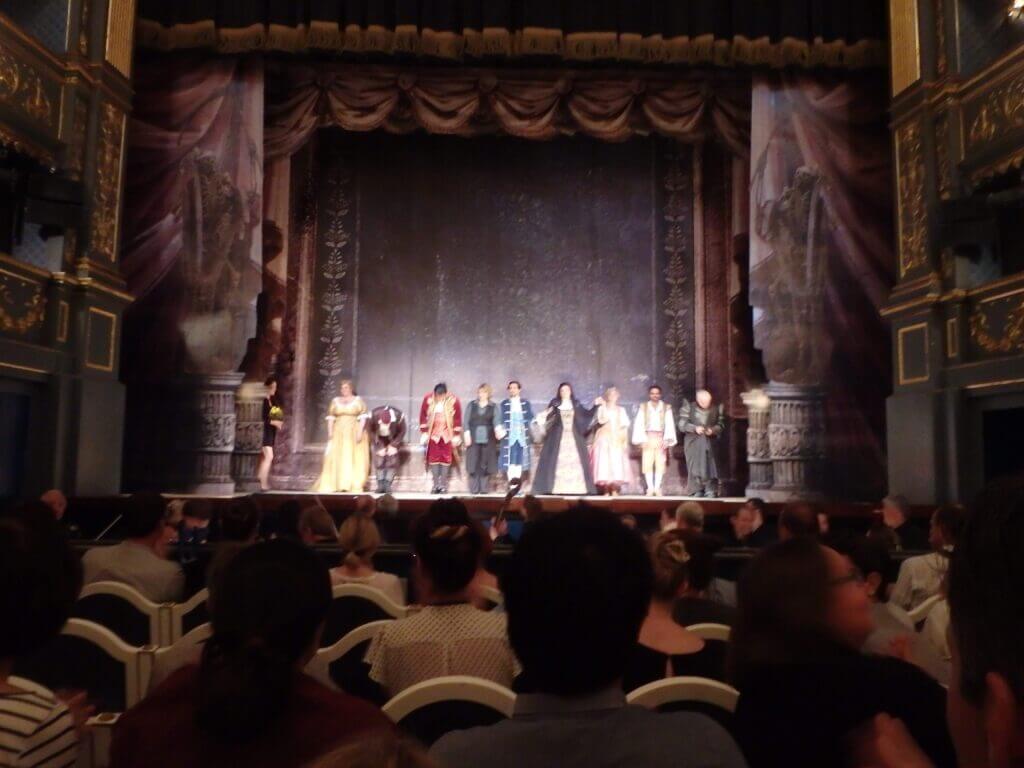
Don Giovanni Opera – We bought tickets in advance to see the opera in the Estates Theater, where Mozart played. The theater was beautiful, but the opera was in Italian with no subtitles so we didn’t understand a thing. The show was 3 hours total, and we ducked out, exhausted, during intermission.
Friday
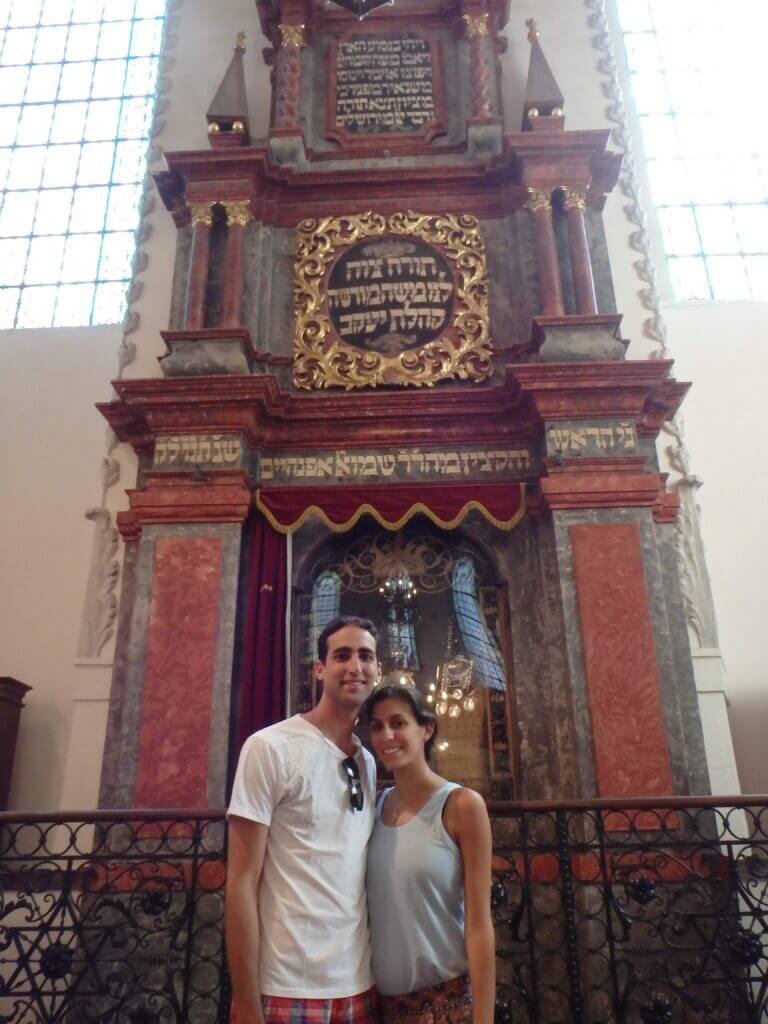
Tour of Jewish Prague – Our guide, Yeshayahu, took us around Prague, with its deep roots in Jewish culture. Prague is known for the history of important Torah learning (Maharal) and the legend of the Golem of Prague. Infamously, it was to be preserved by Hitler as a artifact to the Jewish race after the final solution. That’s how we were able to see the sites today. Prague, famously has 6 synagogues. Each was unique and beautiful, and a memorial to a once vibrant community here.
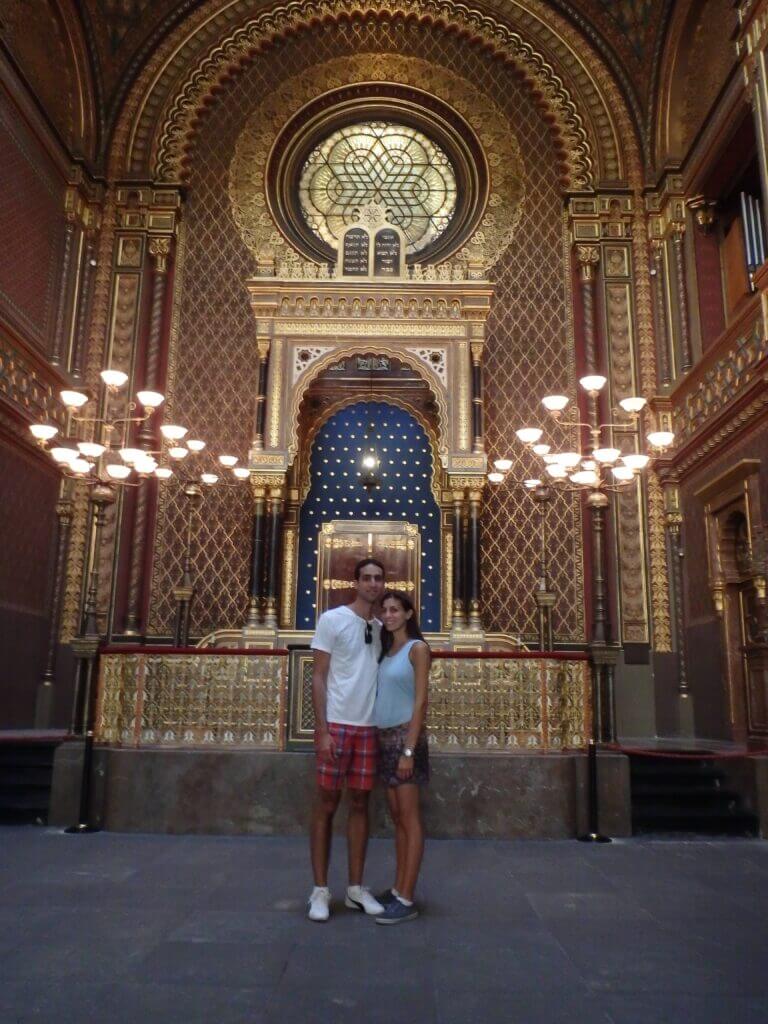
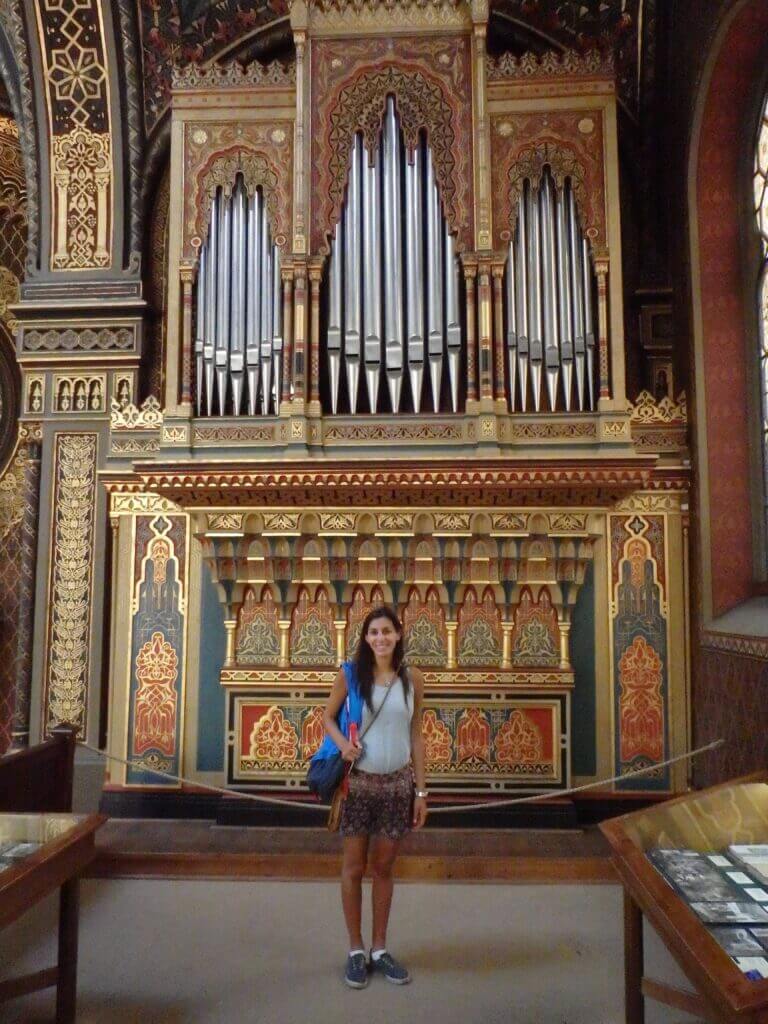
- Spanish Synagogue – Had an exhibit on the history of Prague’s Jews, and artifacts
- Pinkas Shul – Holocaust Memorial with names of victims arranged by town and family.
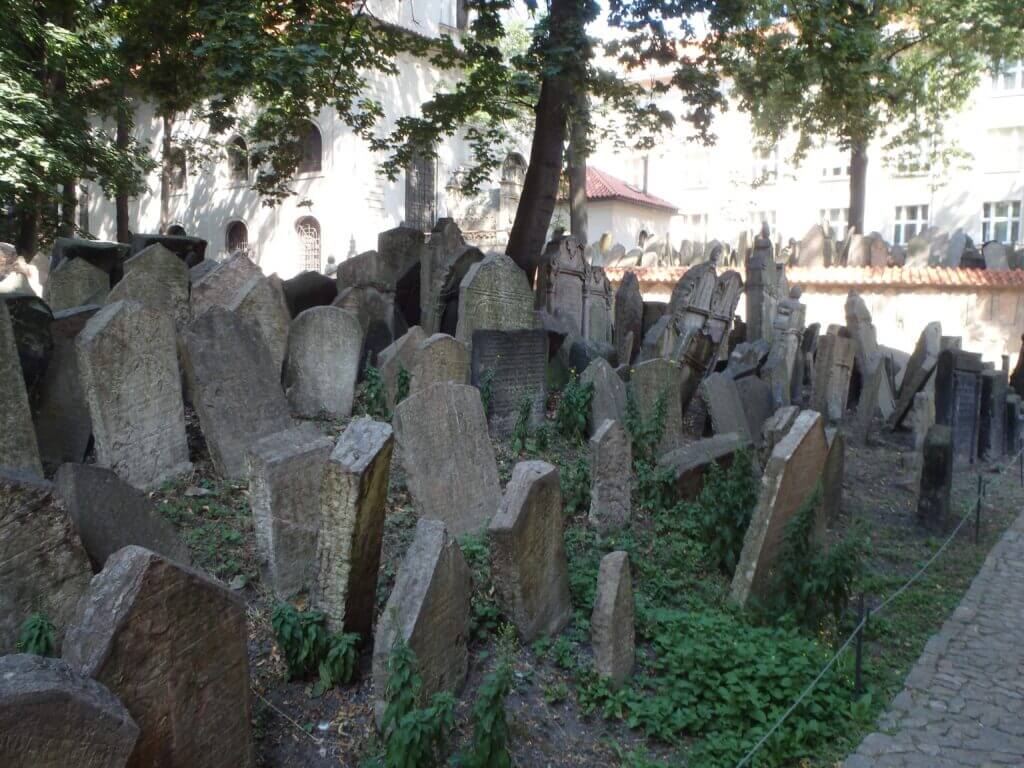
- Old Jewish Cemetery – From the 1300’s. Over 12,000 people buried here, on top of each other and in every possible wall and crevice. Jews weren’t allowed to expand their cemetery and had to use this for centuries. Maharal buried here. Chevra Kadisha house nearby now a museum to Jewish burial rites.
- Klausen Synagogue – Demonstration of Jewish life in Prague
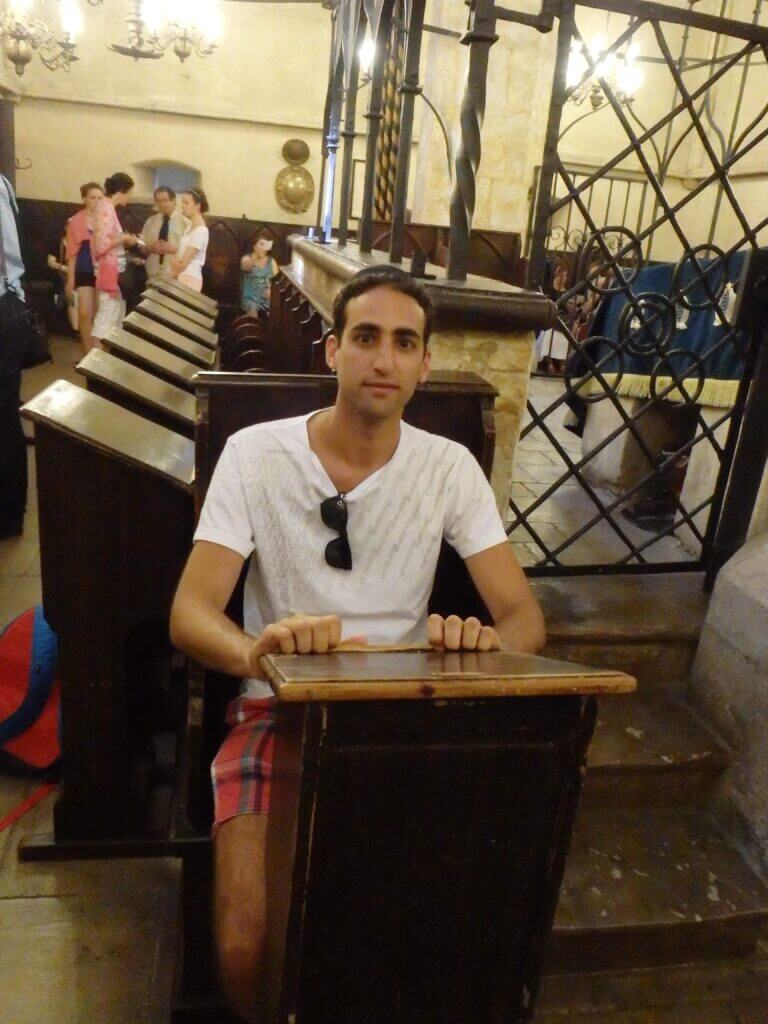
- Altneu Shul – The Old-New Shul is the oldest in Prague from the 1200’s. Very rudimentary. Women had to stand outside and peek through window slits.
- Maisel Synagogue – History of the Jews in Prague
- Prague Castle – Lunch at Shelanu Shalom Pizza, and visited from the outside
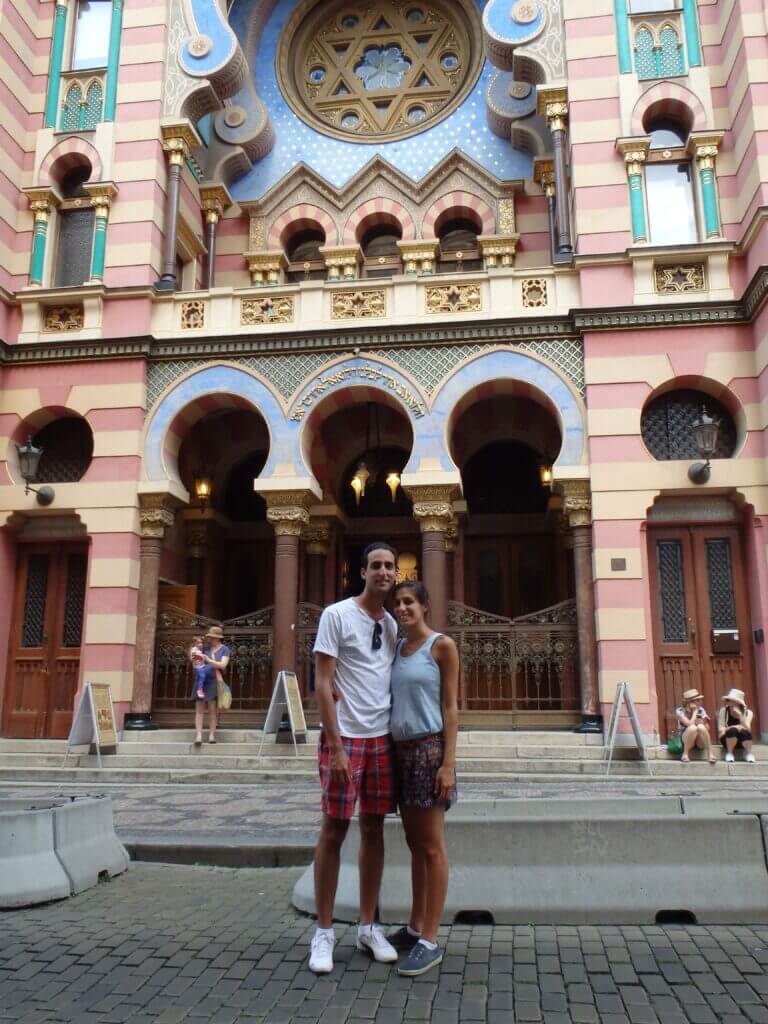
- Jubilee Synagogue – Still in use as a Shul, showing life in Prague for Jews in the post-war communist era. Our guide told us about the Velvet Revolution, and the country’s struggle against Soviet dominance.
- Charles Bridge – connects the old town with the Lesser Town over the Vltava river built by Charles IV. Many statues to Jesus, saying Kaddosh Kaddosh Kaddosh.
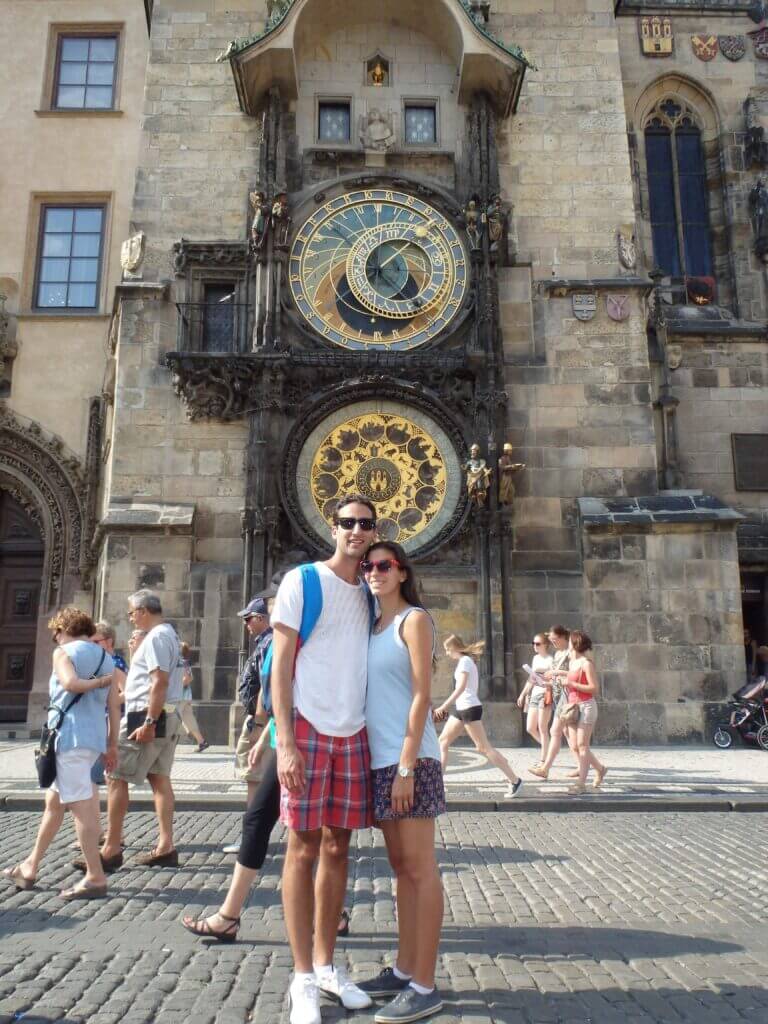
- Astronomical Clock – Beautiful clock in the town square.
Saturday
For Friday night and Shabbat, we prayed in the Altneu Shul, which was a very unique experience. Got to feel like a Jew in Ashkenaz Europe in the Middle Ages. Tons of security to get in. We had dinner and lunch at Dinitz. It was extremely hot, as Prague was experiencing a heat wave – most places don’t even have AC.
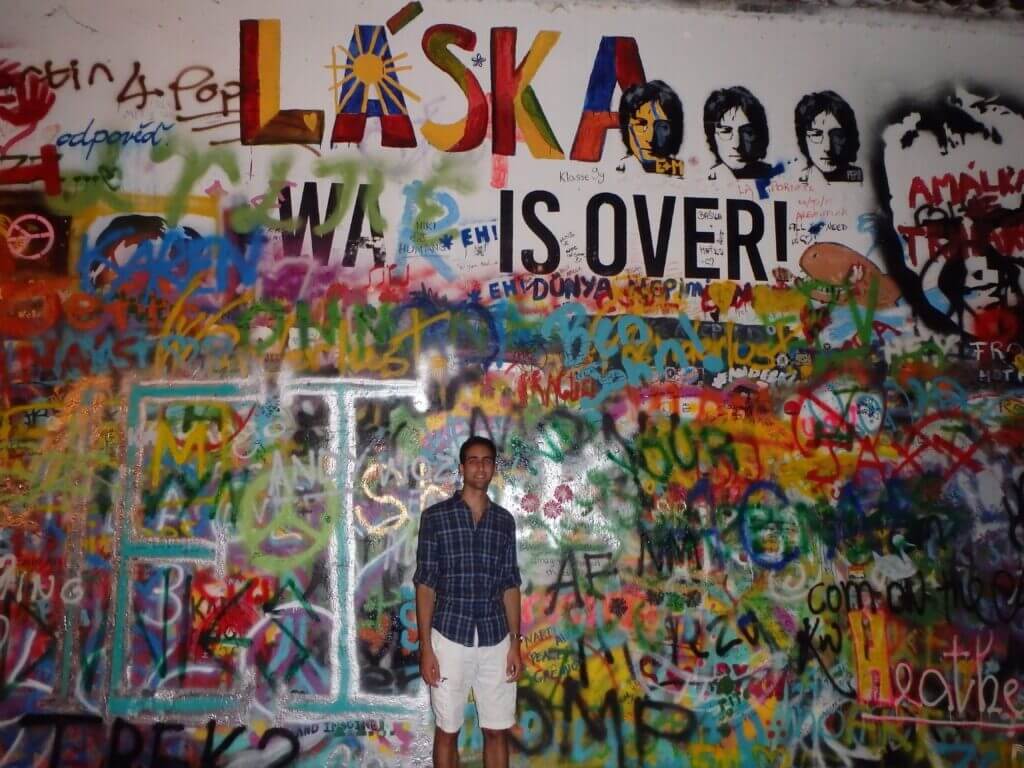
After lunch we walked around town, saw the Astronomical Clock change at 3pm. We witnessed an alt-right protest about immigration, that was quite scary. That night, we walked across the Charles Bridge and saw the Lennon Wall, harkening back to the Soviet era.
Terezin
Sunday
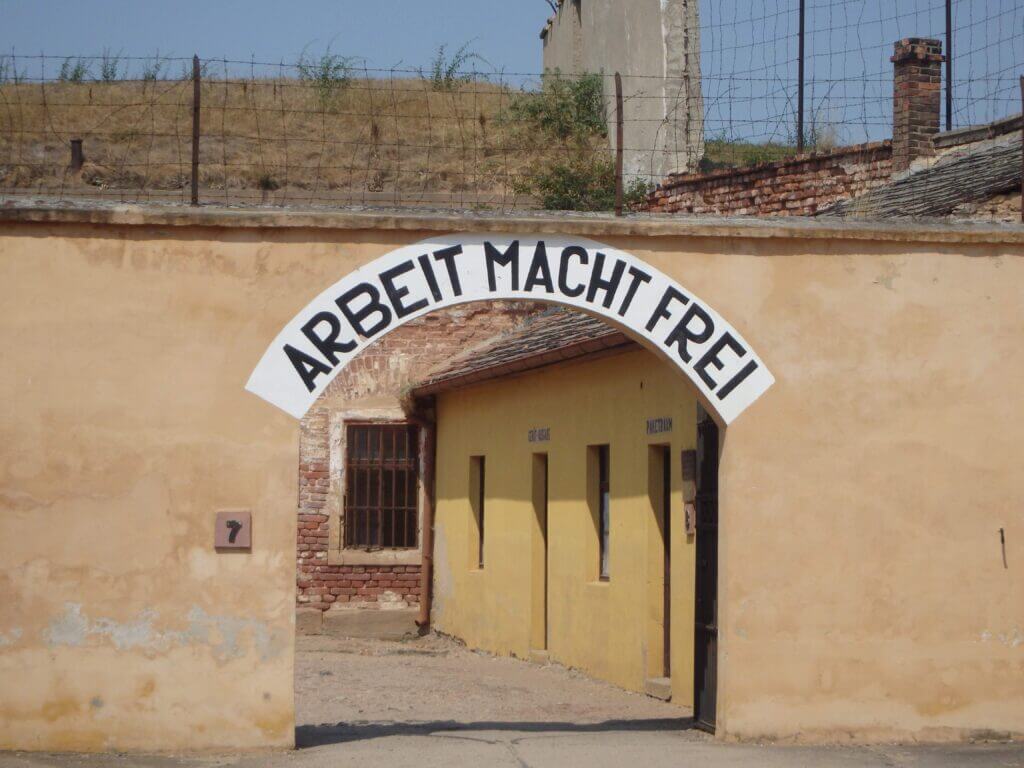
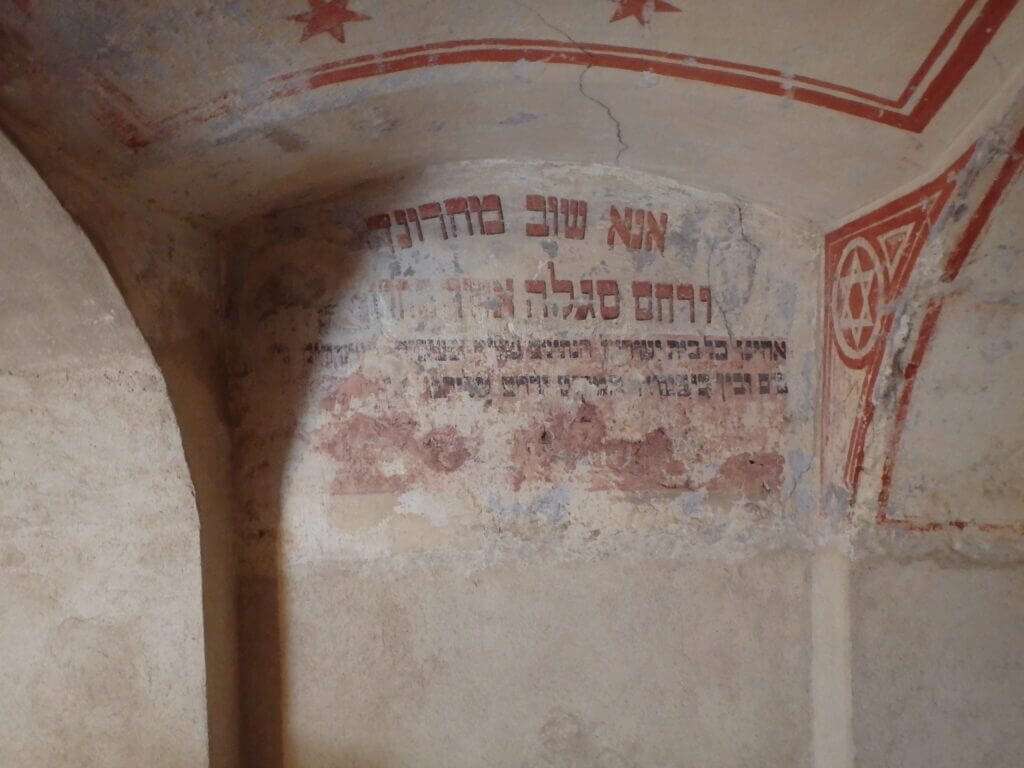
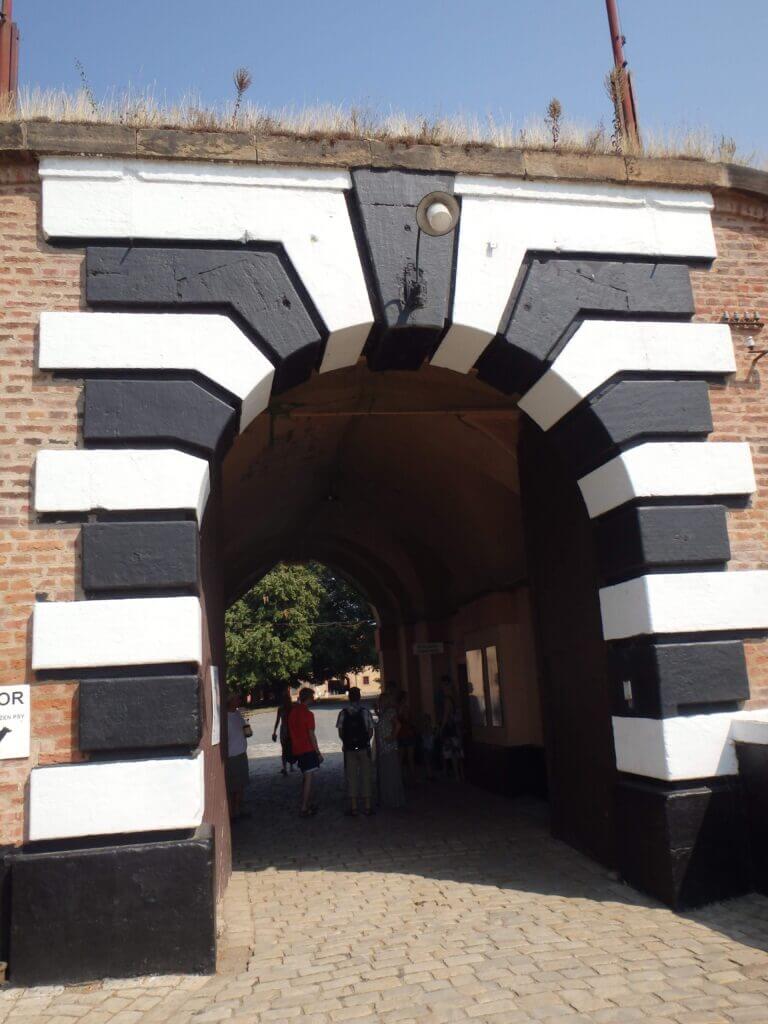
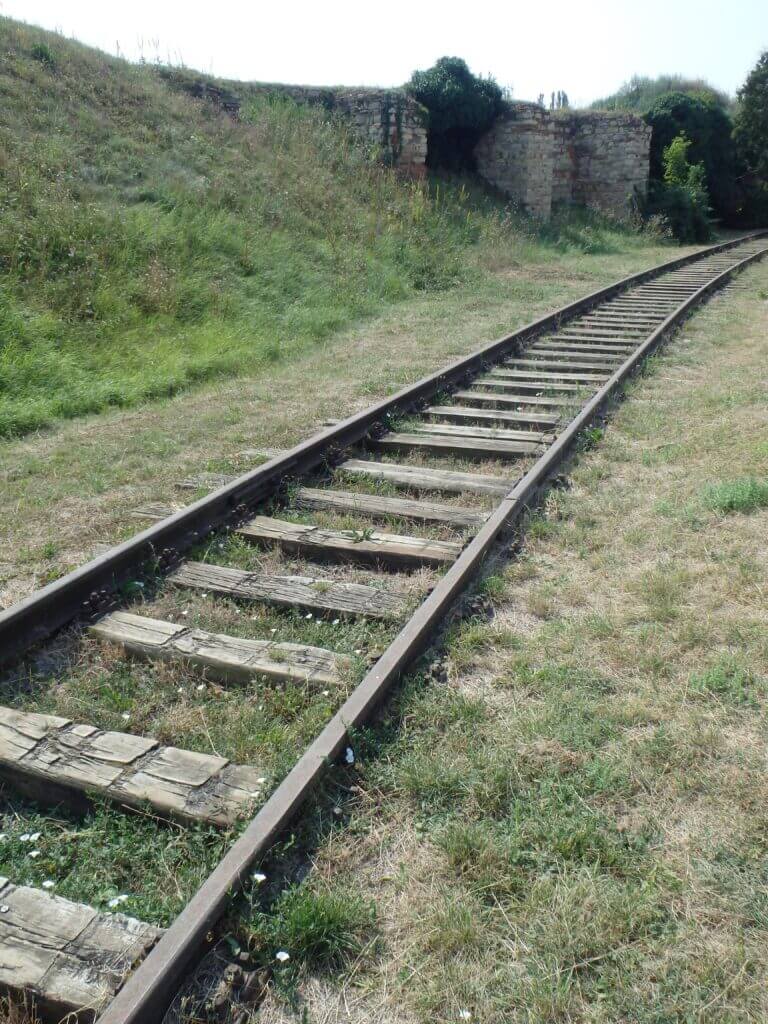
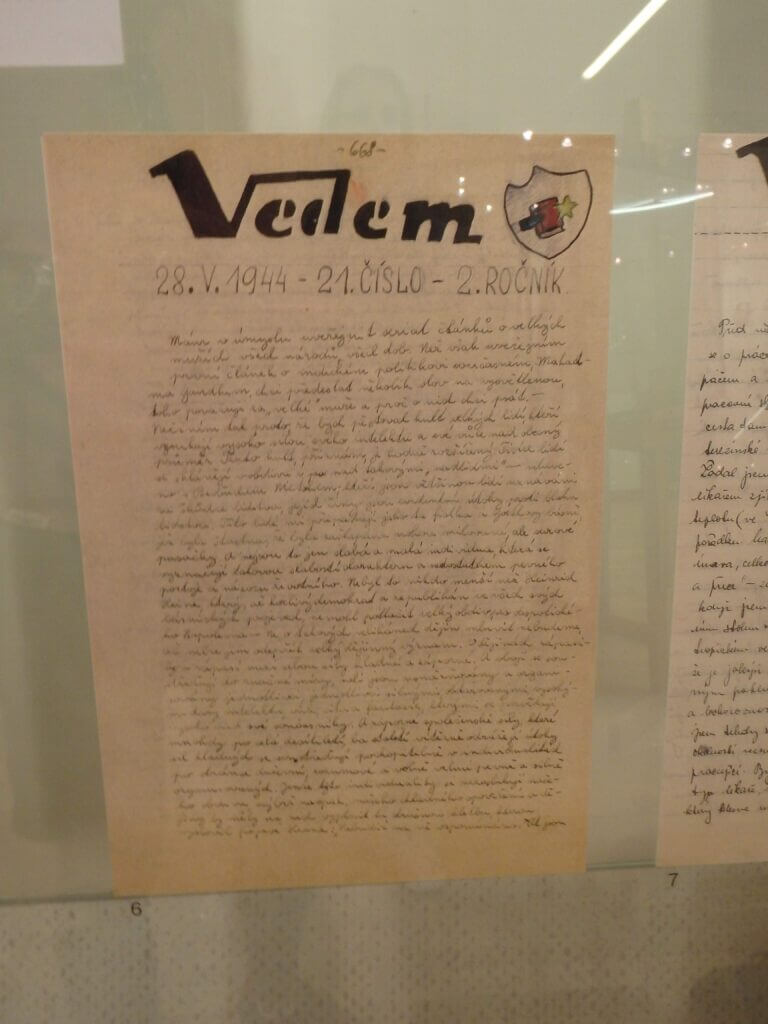
Terezin – Terezin was a Jewish Ghetto/Concentration Camp. We never visited concentration camps before, and felt like it was important to visit here. It was used as a model camp for the Red Cross, but although better than other camps, conditions here were terrible. It was a center of art, culture, literature, and theater during the Holocaust. Nazis conducted experiments, and children were given “special” status here. Railroads connected the camp to Auschwitz and Buchenwald. We visited the Crematoriums where those who died of hunger or disease were cremated, and then buried. German Jews spent time here and were given special status – living with their families, having better jobs, and even created a secret synagogue. Out of 90,000 people here, only 3,500 survived the war. The Small Fortress was a particularly gruesome part of the camp. That’s where political prisoners were kept under horrible conditions. Jews here were treated even worse, barely given any clothes or food.
We had a really meaningful day visiting Terezin, owing to our guide Pavel Batel. Pavel is an extremely knowledgeable bodyguard turned historian with enormous drive and passion for everything Terezin. He has even written books on the subject, and was able to weave in specific stories from personal diaries and journals of people who were imprisoned and tortured here.
Melnick – After visiting Terezin, we stopped by this medieval town to walk around.
Prague Castle – We did a night tour of the castle that night – built from the 800’s for over a thousand years. This tour didn’t go inside the castle.