This summer, we felt more ambitious about our summer trip without the kids. It was two years since we had Allen, and we hadn’t done a big trip alone since then. We decided on Scandinavia, as it was a bit exotic, and a part of Europe we really wanted to visit. We planned a really ambitious itinerary, travelled a lot, and switched hotels constantly – but it was the best way for us to really see everything we wanted in the region. We split our time between Norway and Sweden, spending 4 days in each. This trip was challenging food-wise, as there was very limited access to kosher certified food. Sam made some beef jerky before the trip which we brought along, but otherwise we ate mostly vegan food.
Oslo
Day 1
We landed off our redeye at around 8am, and took a train to check into our hotel and freshen up. We were starving and thankfully found a food chain called Pink Fish that only served salmon. We were planning on spending a little over 24 hours in Oslo, so we got right to it! We bought the Oslo Pass (24 hour version) and that covered entrances and transportation for us. We spent the afternoon in Bygdoy, a peninsula on the western part of Oslo. We took a ferry to get there, and visited some of the museums in the area.
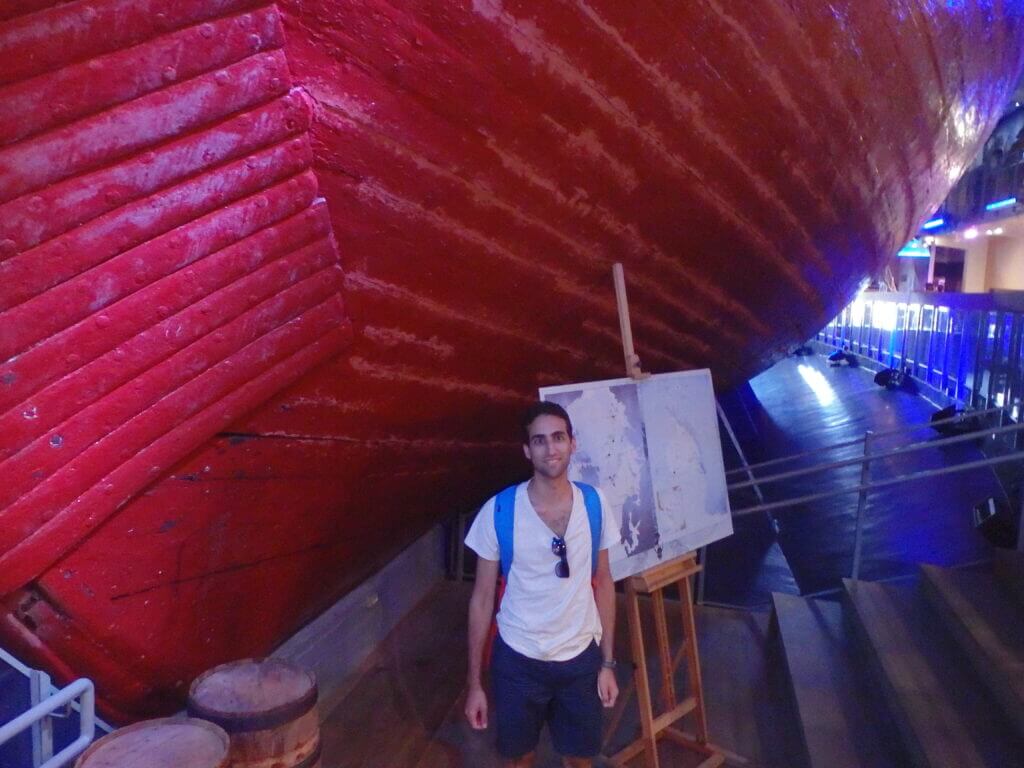
Fram Museum – The Fram Museum is a museum telling the story of Norwegian polar exploration. It showcased the Fram ship, which explored both the North and South Polar regions and about the races expeditionary teams had to get to the Poles first.
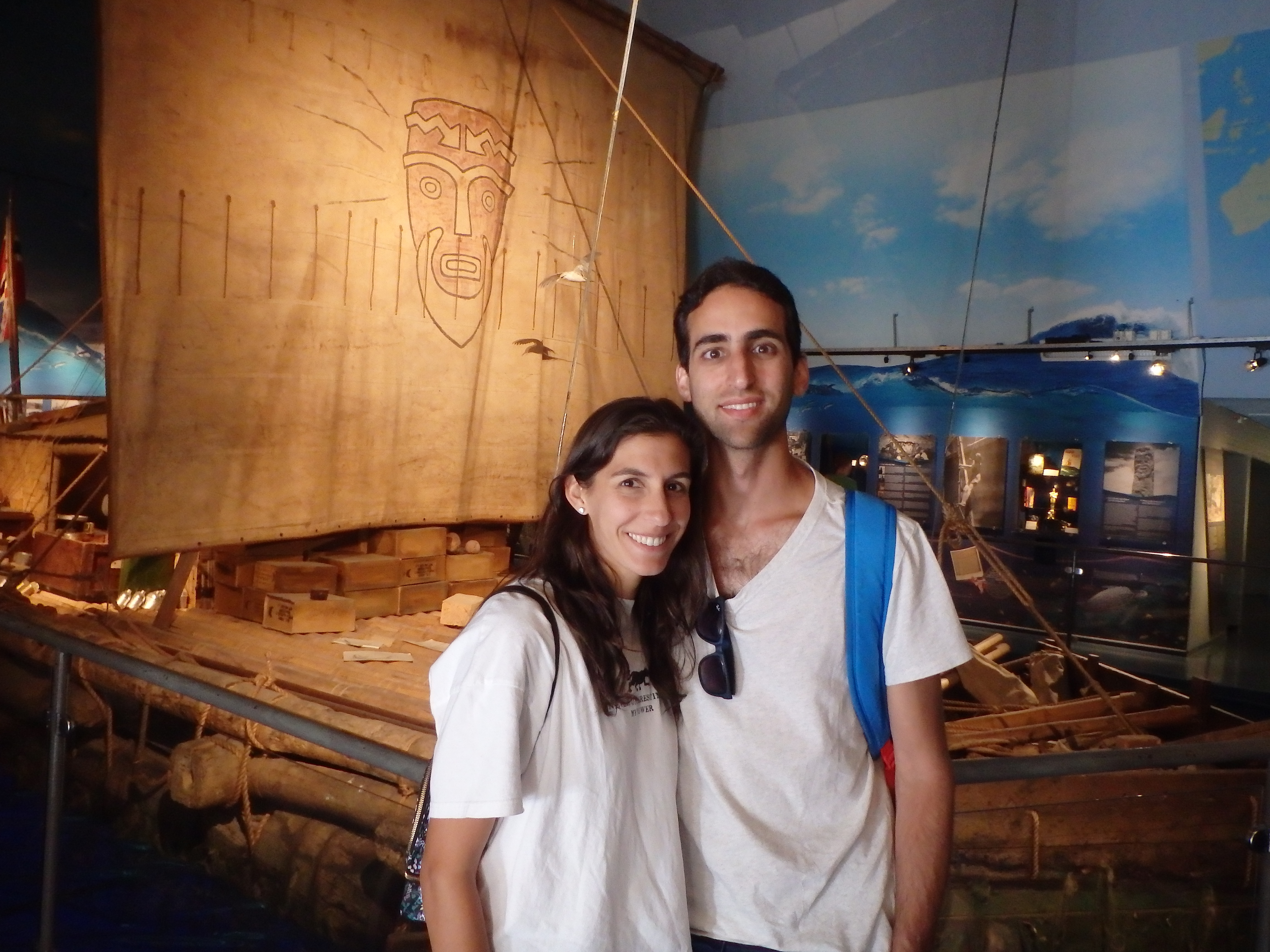
Kon Tiki Museum – This museum houses, and tells the story of, the Kon Tiki expedition – where Norwegian adventurer Thor Hayerdahl built rafts to cross the oceans using primitive methods. The goal was to show that South Americans could have reached Polynesia by raft.
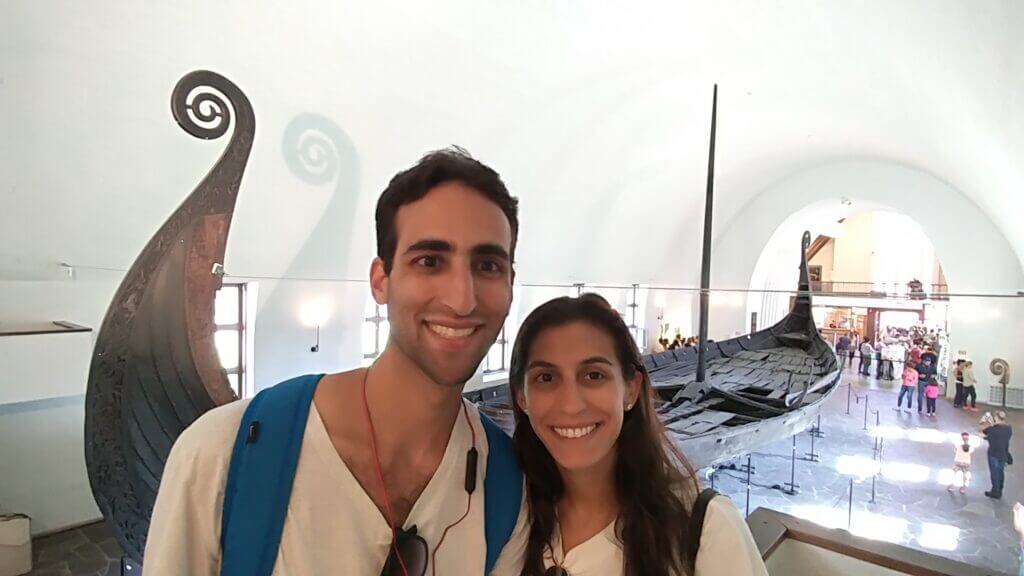
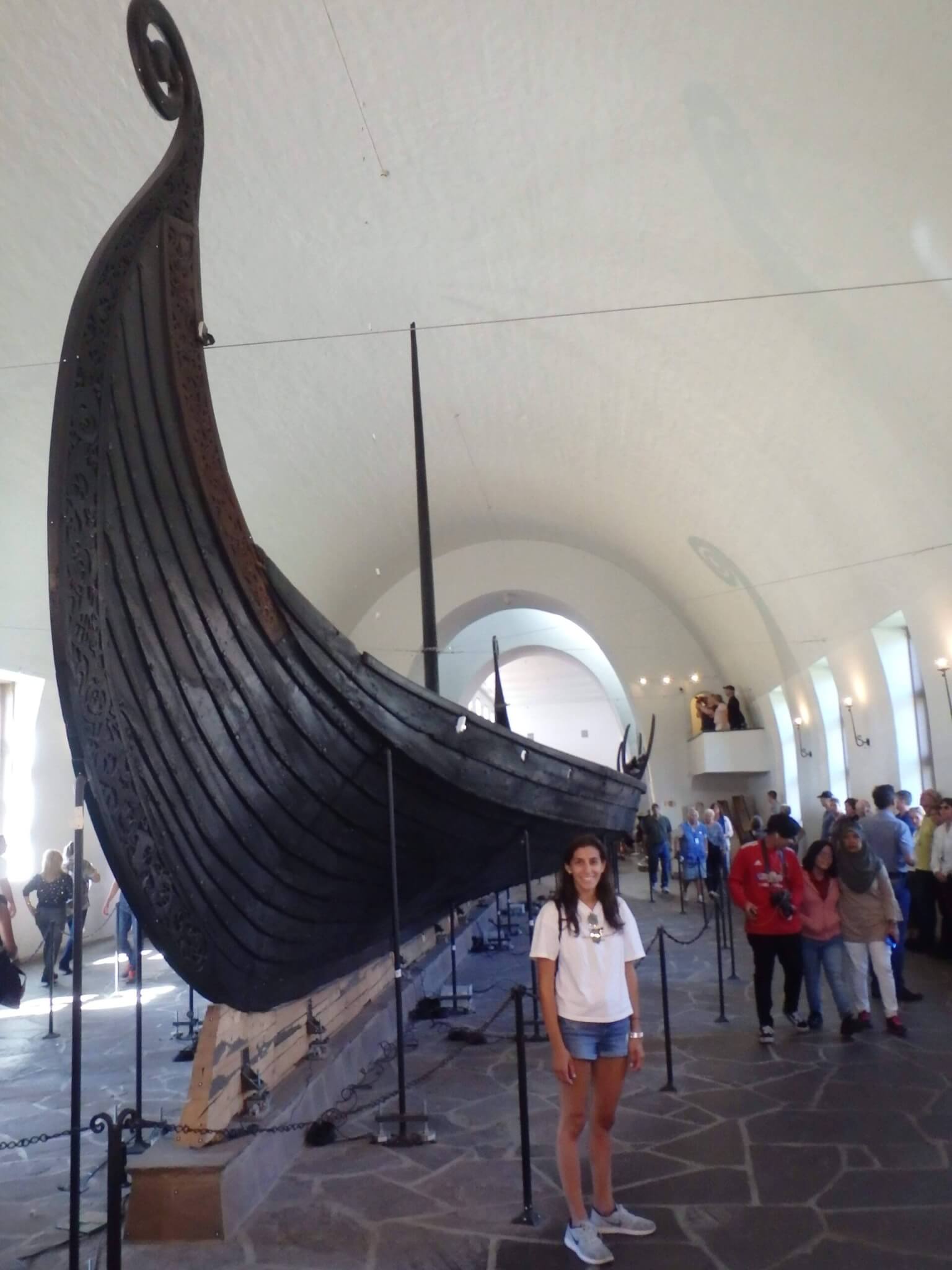
Viking Ship Museum – Museum where we saw famous Viking Longships and learned about the reach of the Vikings in the Middle Ages. They used these ships to raid villages all around Europe into the Mediterranean between the 8th and 11th Centuries, as well as getting as far as Greenland and North America.
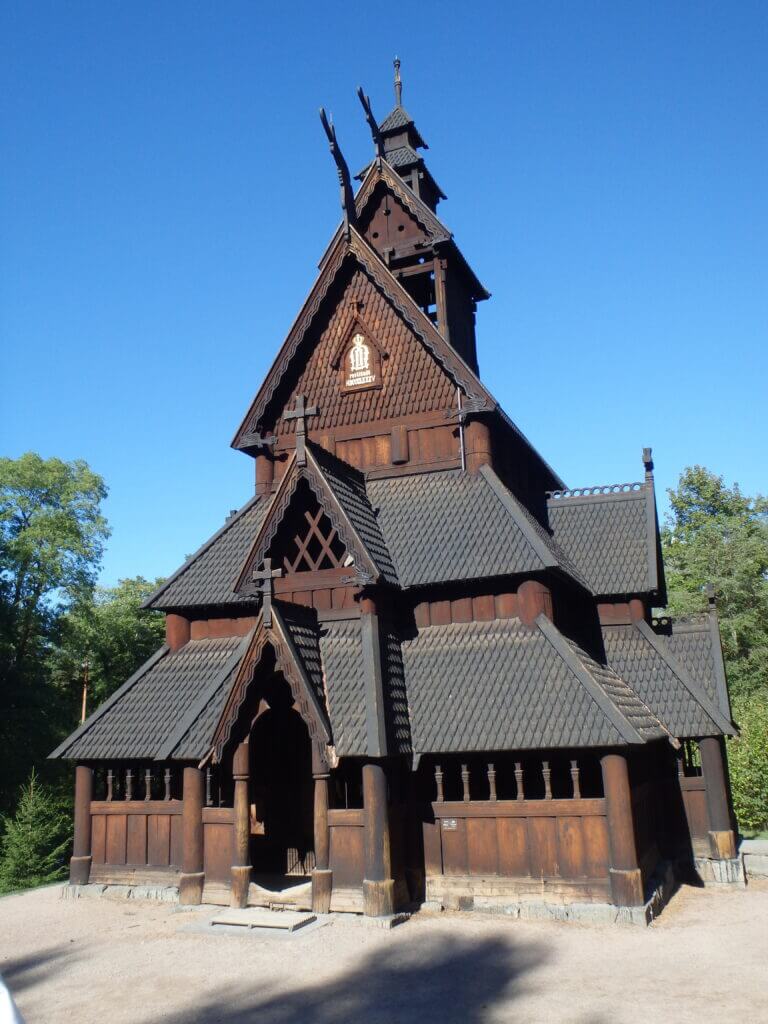
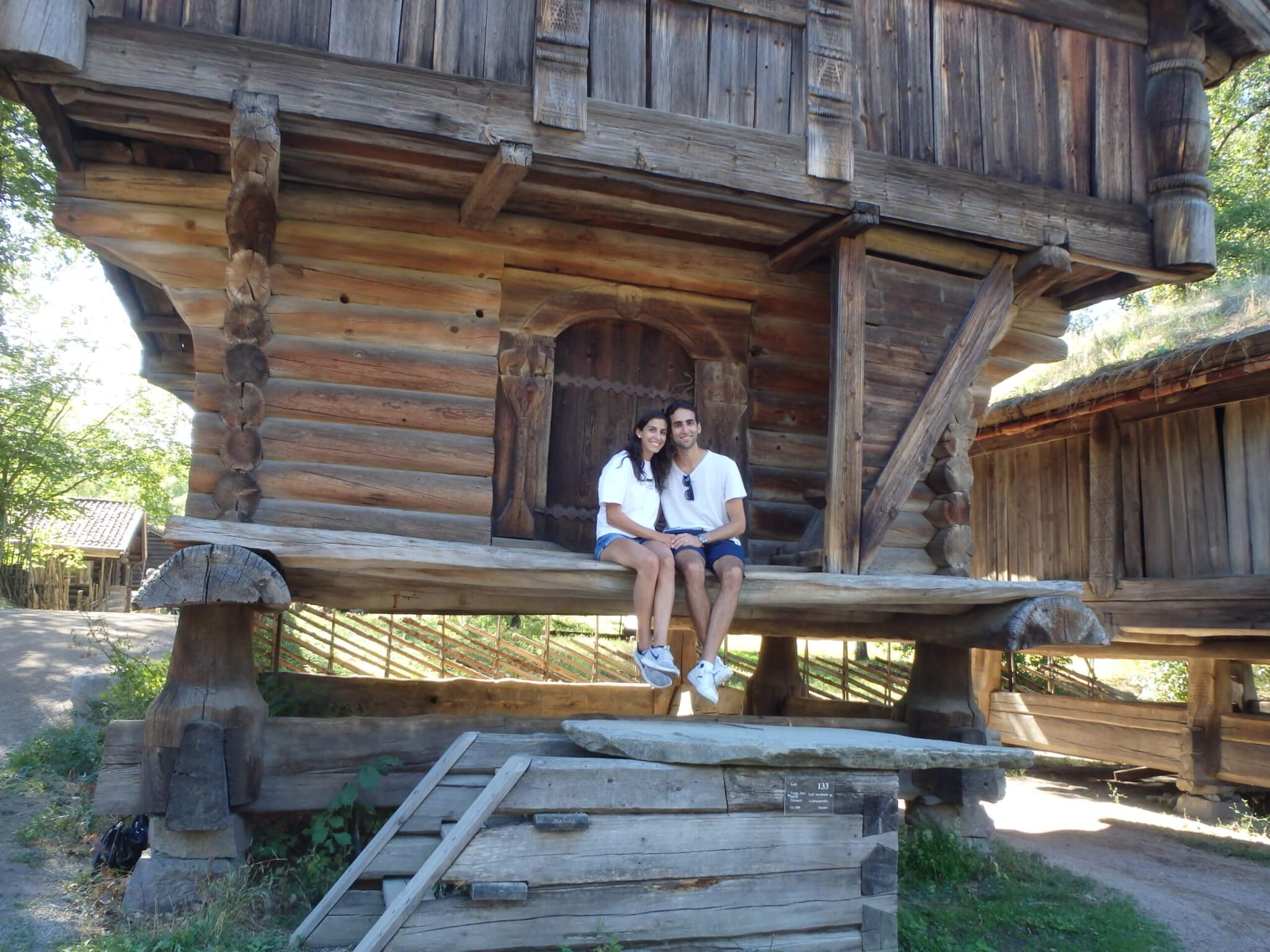
Norsk Folkemuseum – Outdoor museum to Norwegian Cultural History showing various traditional buildings transported from all over Norway. This is also a living museum where the docents showed what life was like, cooking, traditional music and dancing. The wood buildings were really nice to see, and the culture was fun to see. Thankfully, neither of us encountered any trolls!
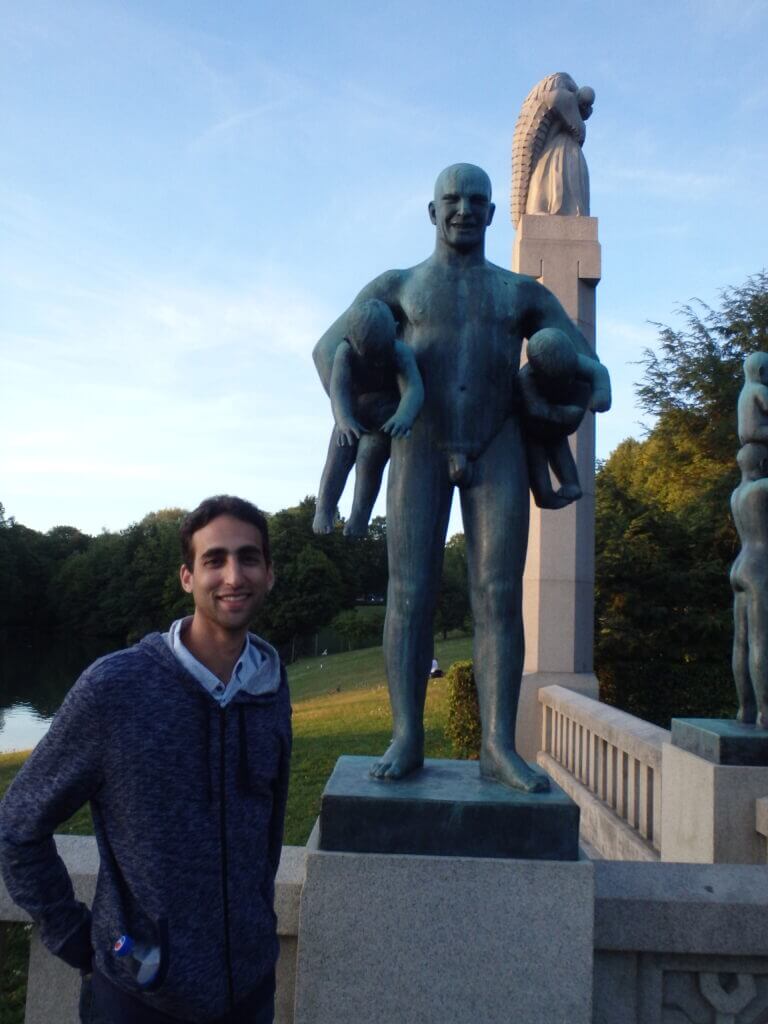
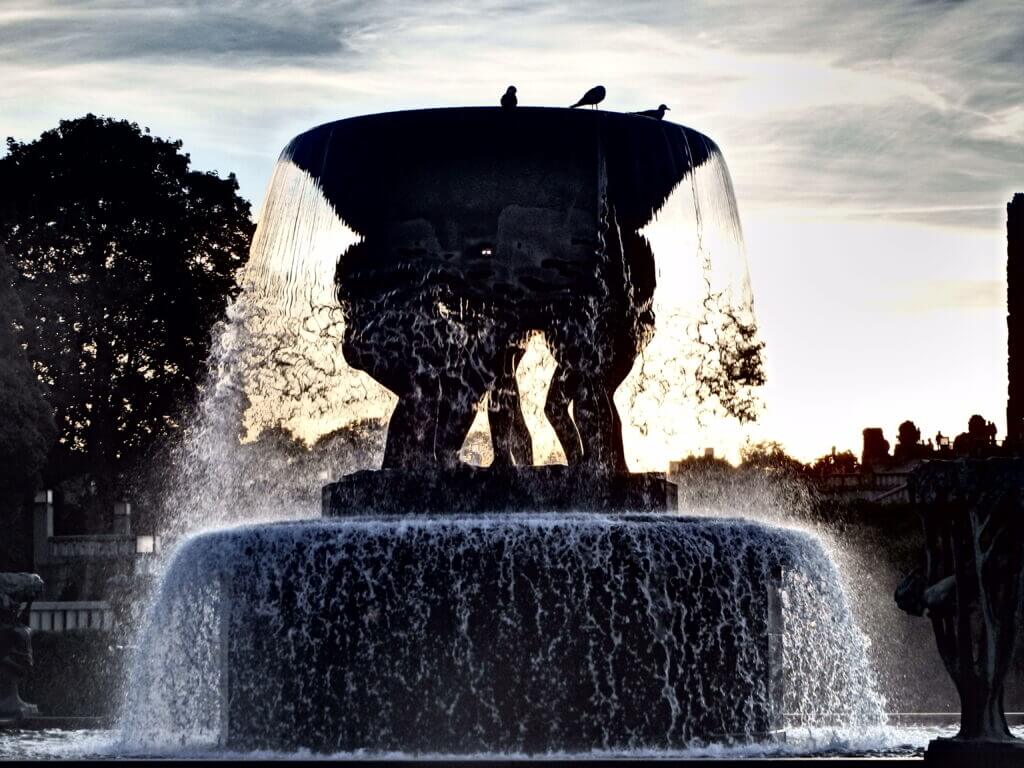
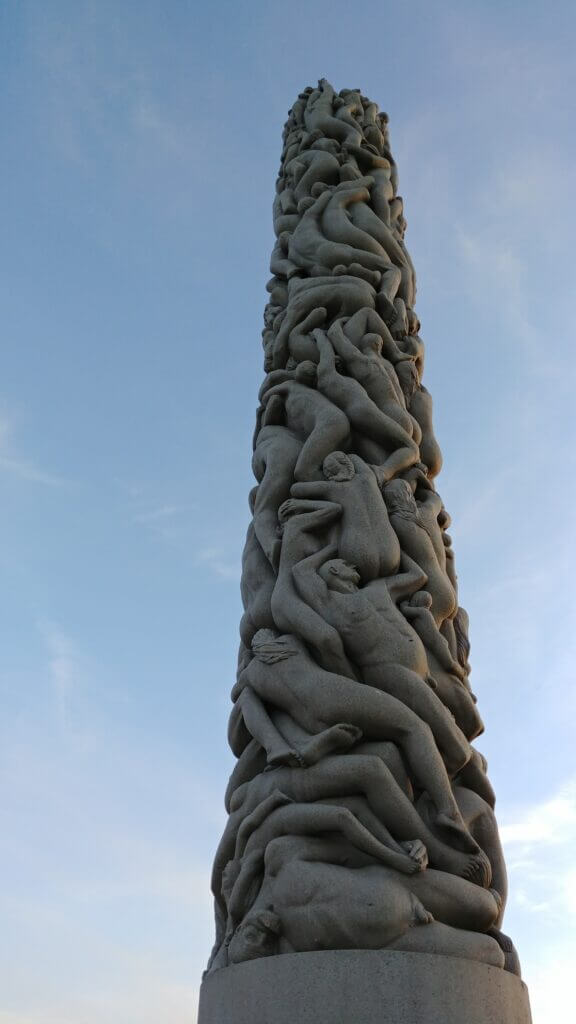
Vigeland Park / Frogner Park – After taking the ferry back and grabbing some food, we went to Vineland Park. Even though it was 8pm, it was still light out and the sun was beginning to set. Frogner Park is like NY’s Central Park, and Vigeland Park is the large sculpture park featuring the work of Norwegian Gustav Vigeland. The sculptures were very cool, highlighted by the monolith atop a hill.
Day 2
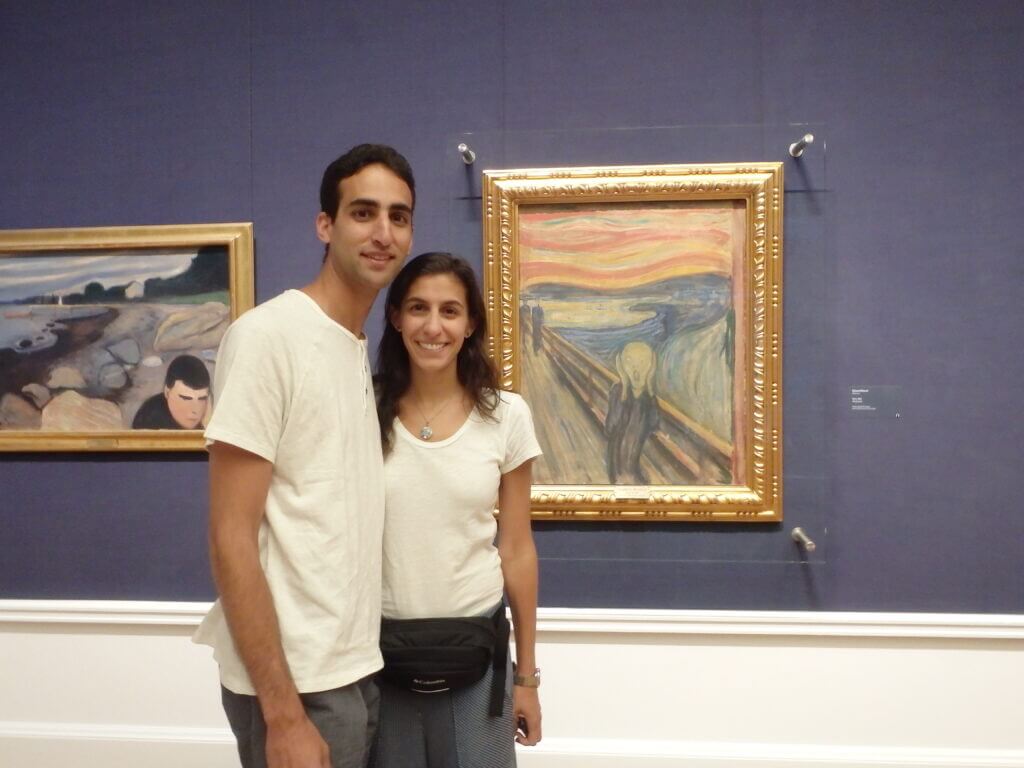
National Gallery of Art – Art museum holding Norway’s most important pieces. The most famous, is Edvard Munch’s Scream.
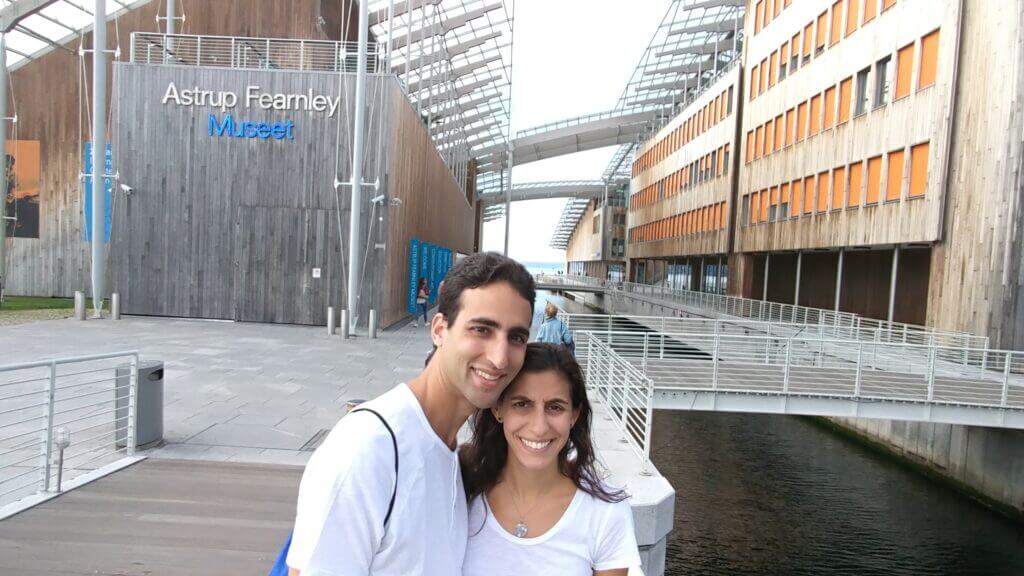
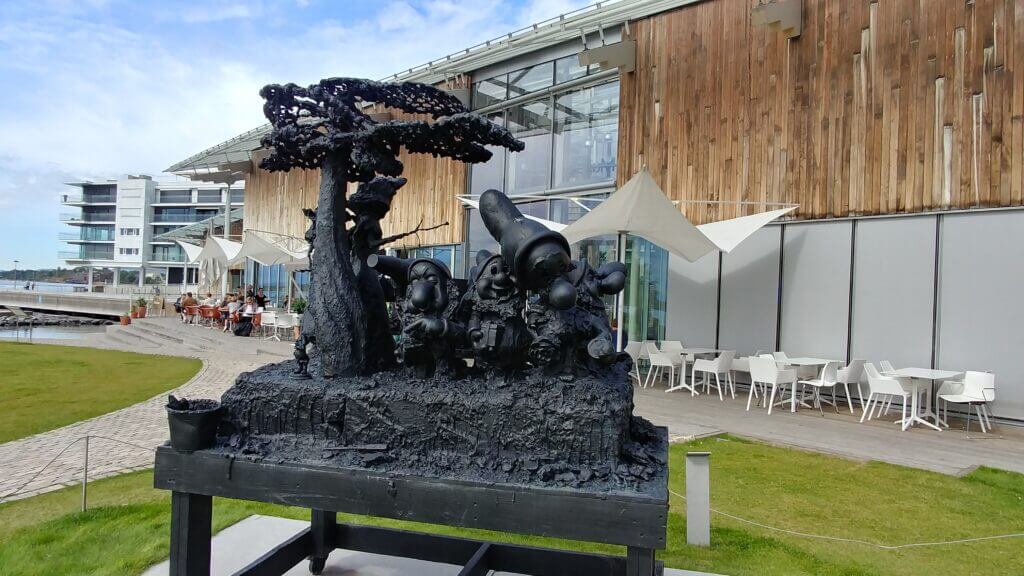
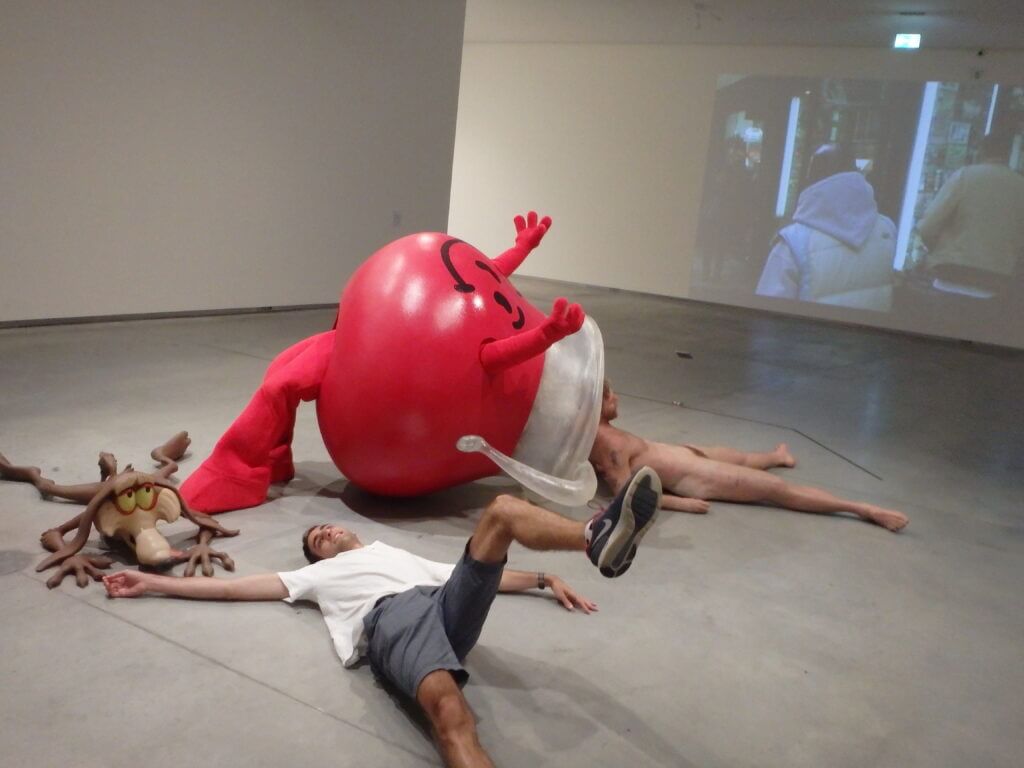
Astrup Furnley Museum – This museum housed more of the modern art in Oslo. The building was beautiful and built over two buildings over the docks. They had some cool sculptures outside, and some crazy pieces indoors as well, including a koolaid man sculpture who broke through the wall.
Nobel Peace Center – Oslo is the home of the Nobel Peace Prize, and this place was dedicated to those winners of the Peace Prize. We also found a nice fish and chips place outside.
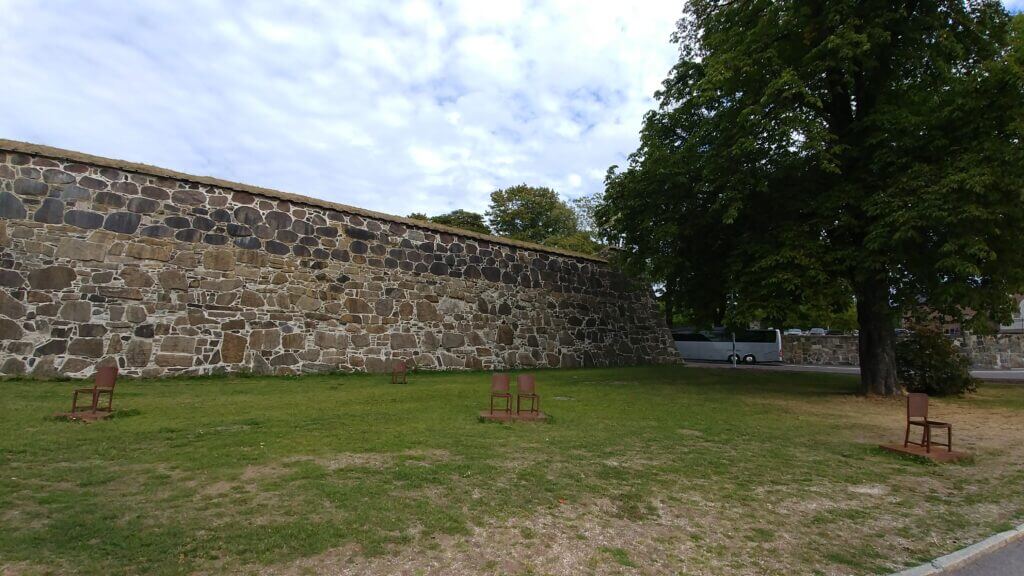
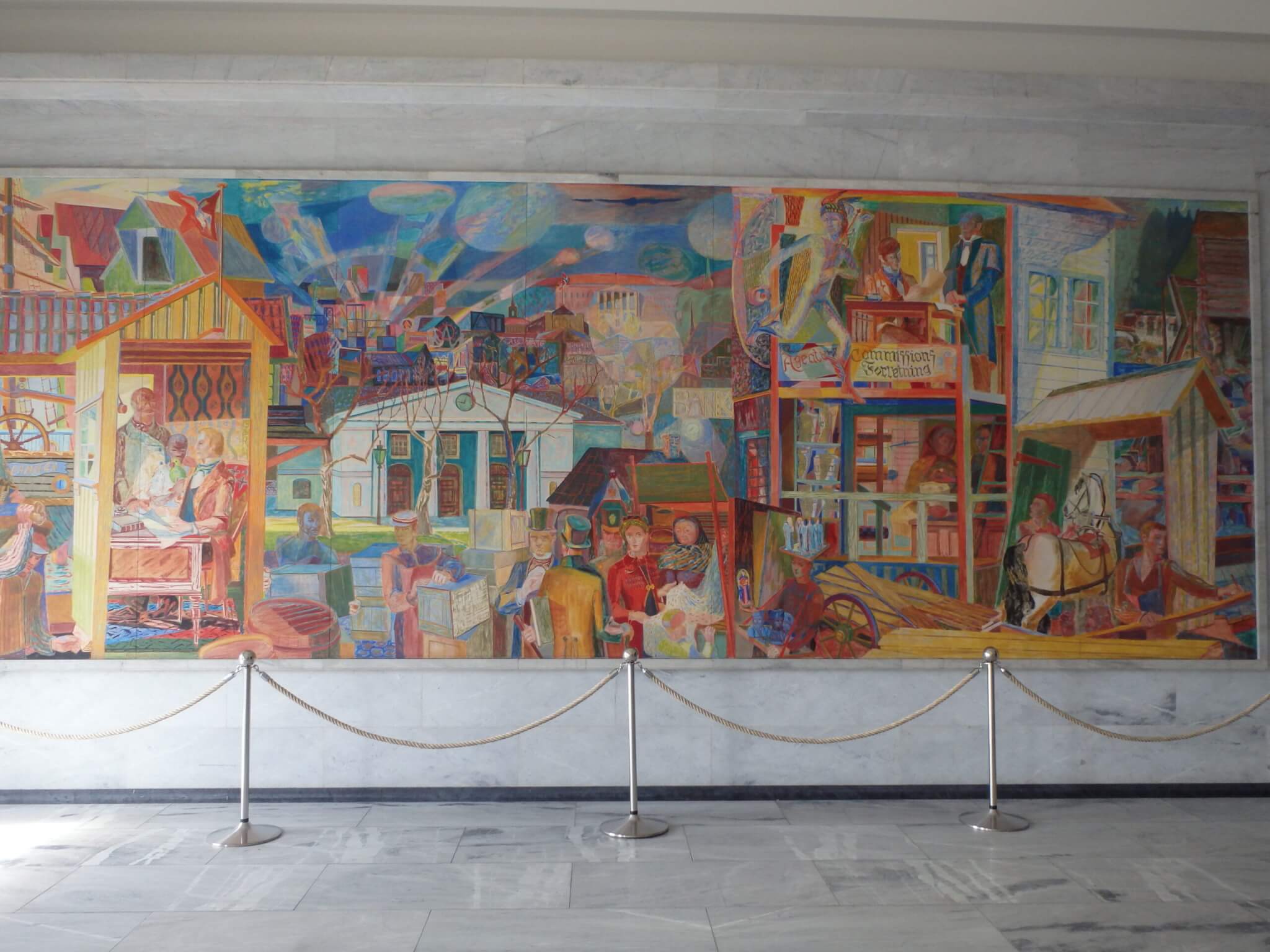
Oslo City Tour and Akershus Fortress – We did a bit of walking around the city to visit some of the famous sites. We started at the Oslo’s City hall, which had beautiful murals depicting the city’s history and mythology. It is also the site of the Nobel Peace Prize ceremony. We then walked along the waterside up to the Akershus Fortress. This castle was built in the 1300’s to protect Oslo from foreign invaders (mostly Swedes and Danes). There was also a memorial there to the Jewish victims of the Holocaust in Norway consisting of empty chairs strewn across the grass.
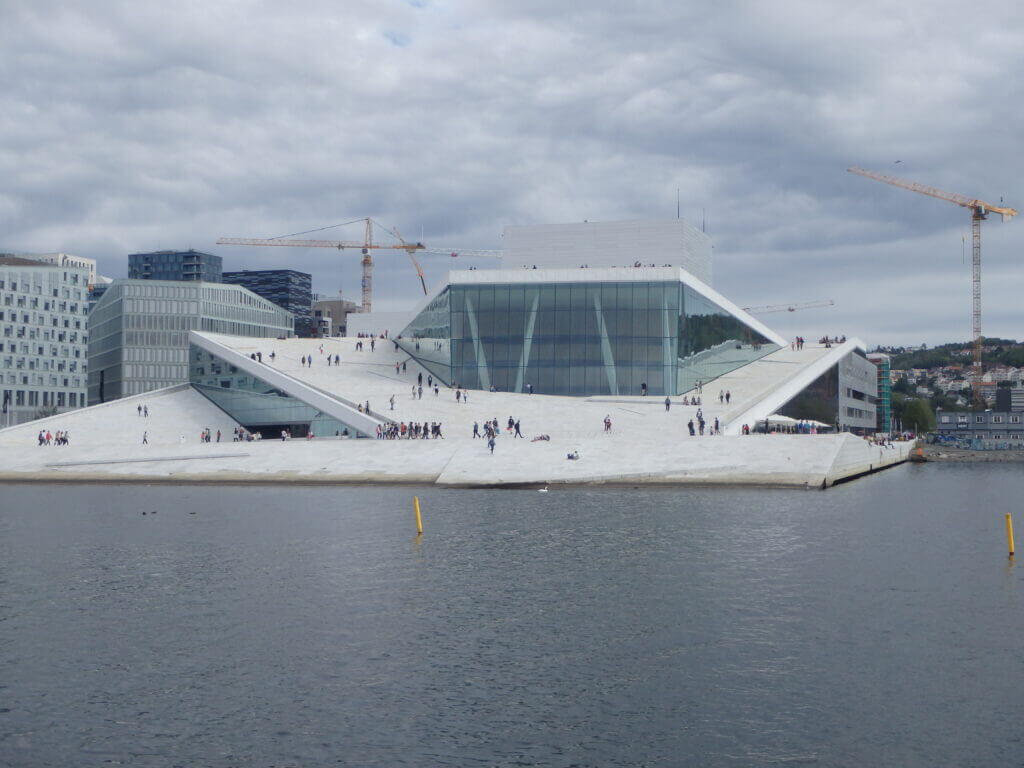
Oslo Opera House – We also visited this architectural marvel in on the waterfront. The roof of the building angles to ground level, creating a large plaza that you can walk up and enjoy the panoramic views of Oslo.
The Fjords
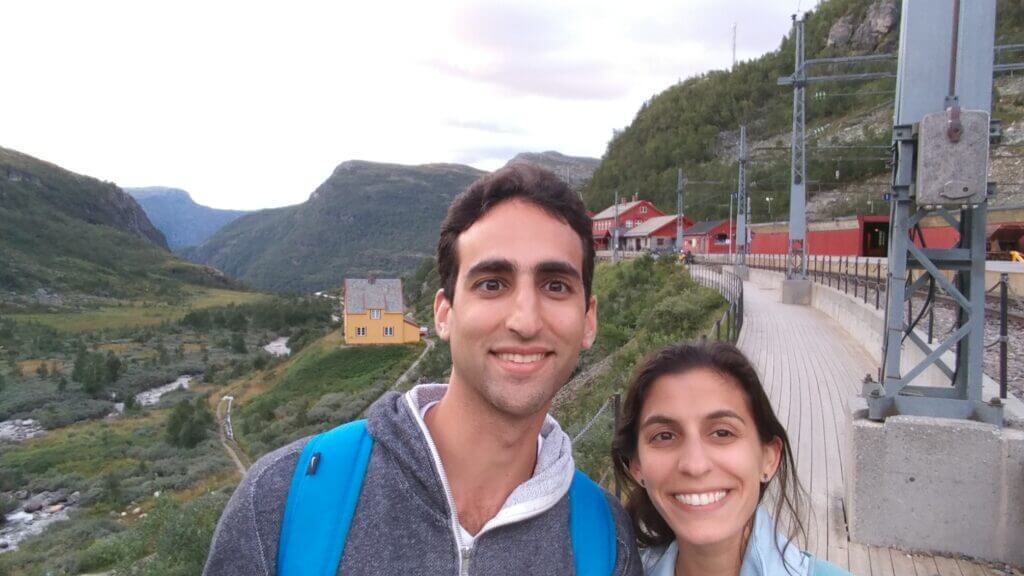
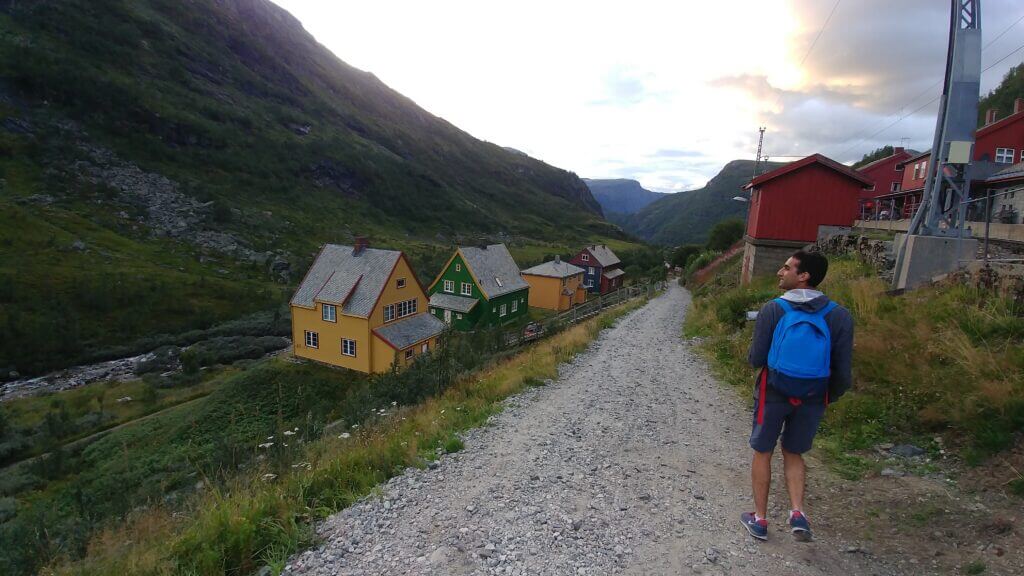
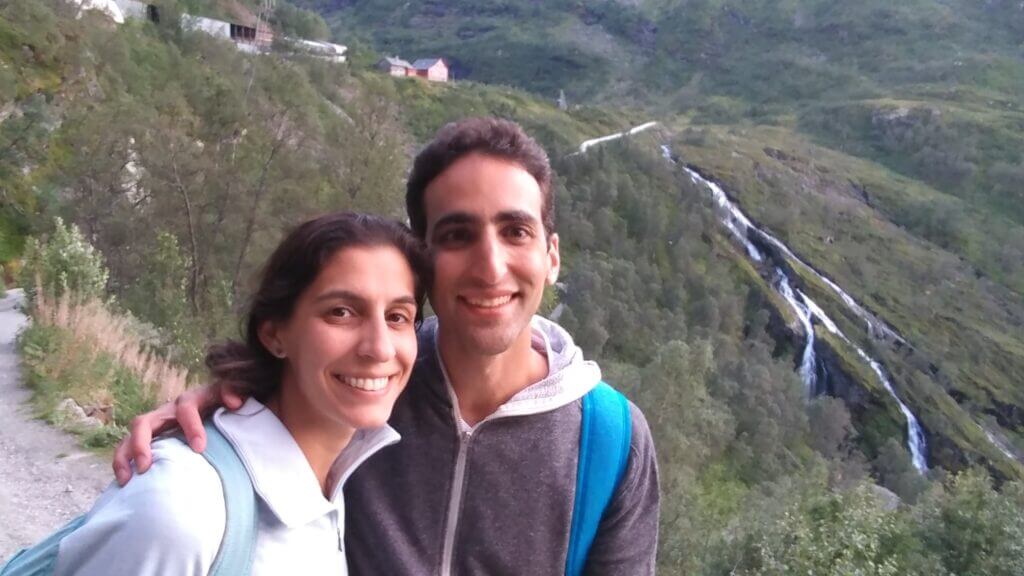
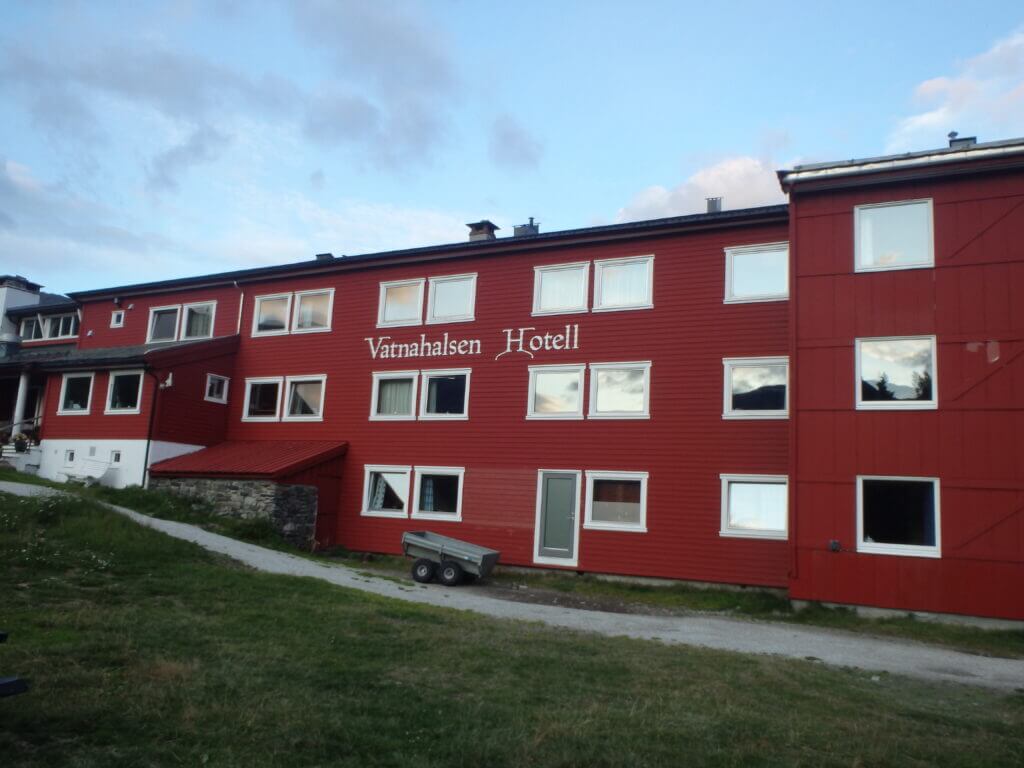
Norway in a Nutshell – This the name given to a popular travel route that allows people to experience the Norwegian Fjords. You can book it all on one ticket, or buy the tickets yourself (which we did). The trip consists of a train ride to Myrdal, a historic train to the port town of Flam, then a boat ride through the Fjords, and a bus and train to the city of Bergen. Logistics here took a bit of figuring out. We decided to leave late afternoon, and spend a night along the route to give us more time to enjoy the area. We found a hotel in Vatnahausen, which was at the beginning of the Flam Railway part of the journey. We arranged for a porter service to ship our luggage from Oslo to Bergen directly and just packed a backpack for the night (like we did in Hakone, Japan) Once we got off the train in Myrdal, we had to hike on our own from the train 20 minutes / 1.5 km along the mountainside to Vatnahausen. We were worried we wouldn’t be able to find it, but the route was very easy and it was beautiful walking along the stream in the quiet countryside around sunset.
Day 3
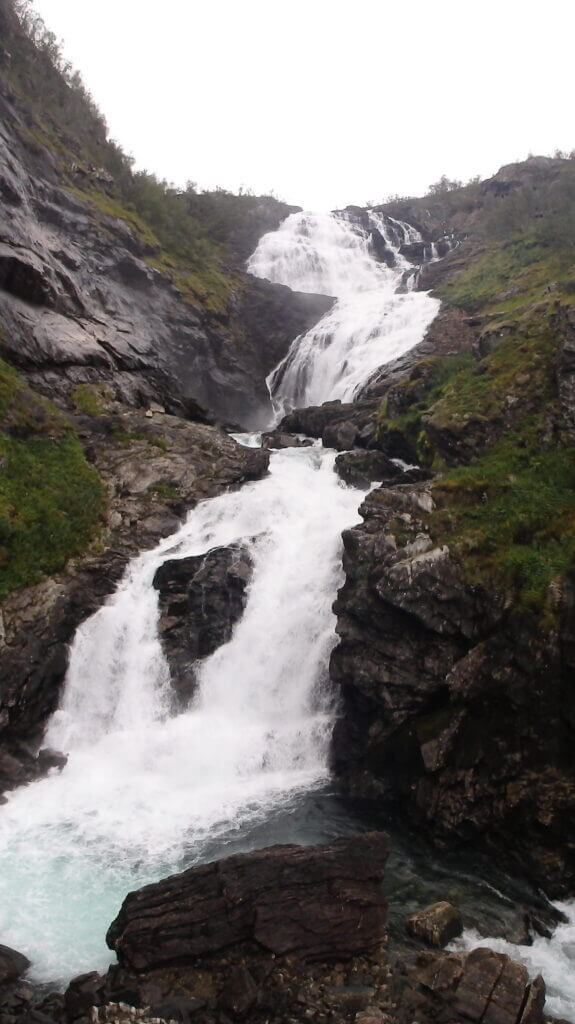
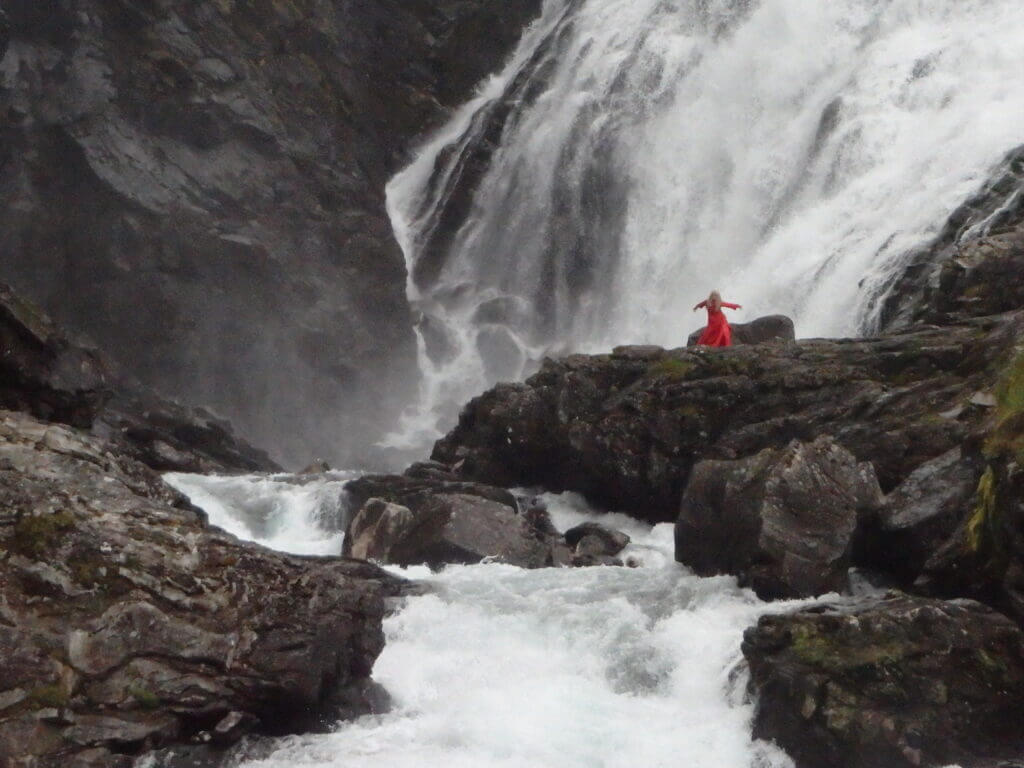
Flamsbana – The next morning, we woke up at our hotel and got right on the Flam Railway. We didn’t have to hike back to Myrdal, as Vatnahausen was the second stop along the railway to Flam. This part of the route had us riding in beautiful antique railcars through the valleys and hills. At one point, the train stopped by a waterfall for everyone to get out and see the waterfall. At the Kjosfossen waterfall, we even spotted Huldra, an elusive forest spirit who, according to local folklore, lures men into the woods to seduce them. Thankfully we made it through!
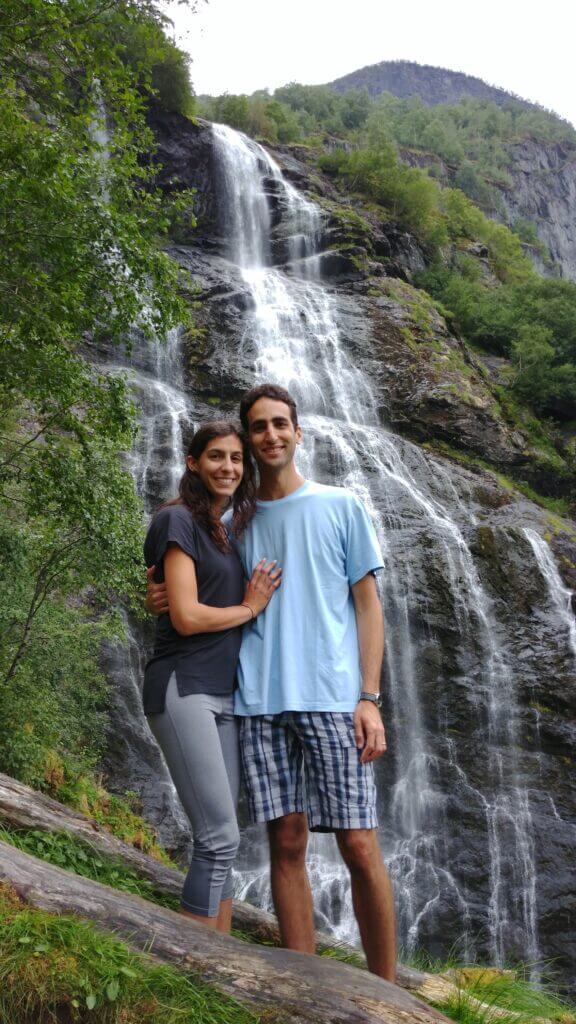
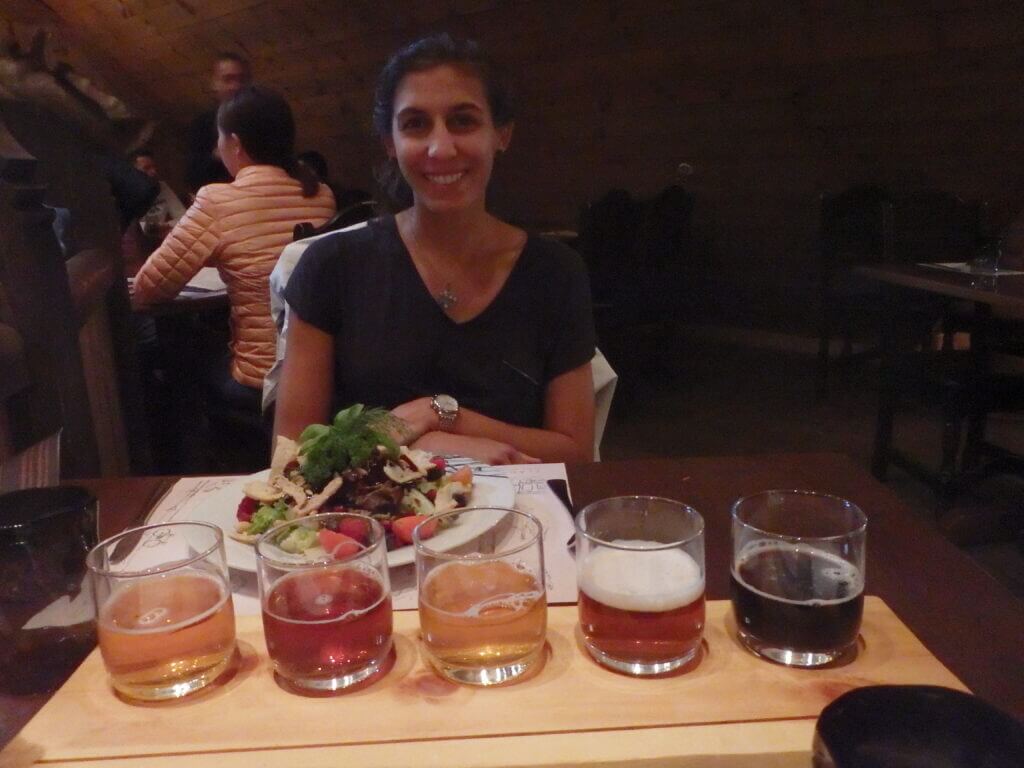
Flam – Once we got to Flam, we had basically all day to enjoy the town before our 4pm ferry. We walked around the town and the small rural neighborhood nearby. We hiked up the mountainside to the beautiful Brekkefossen. We also grabbed a quick bite and some beers at the local Ægir microbrewery. It was a bit overcast throughout the day, but the rain held up for us.
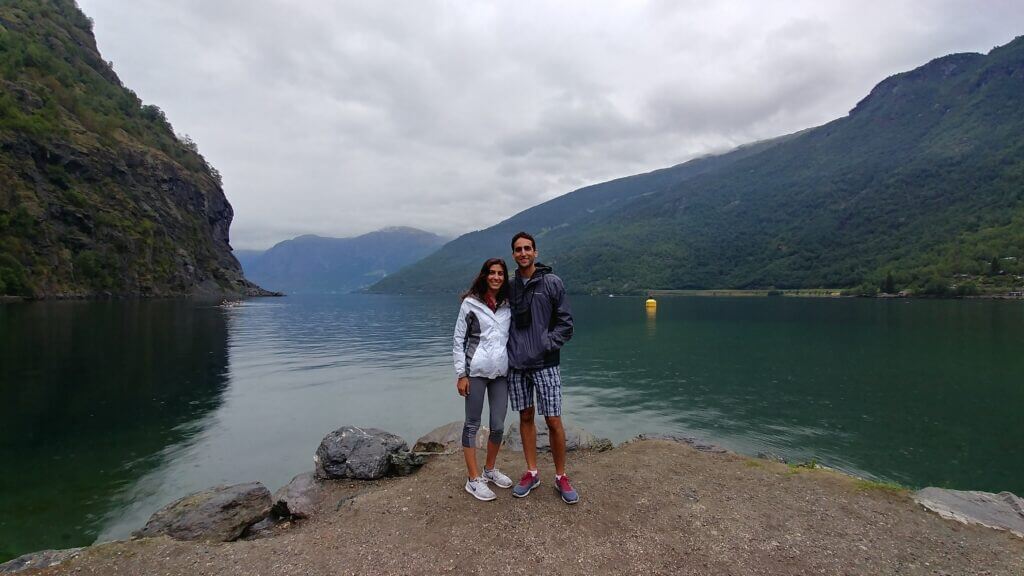
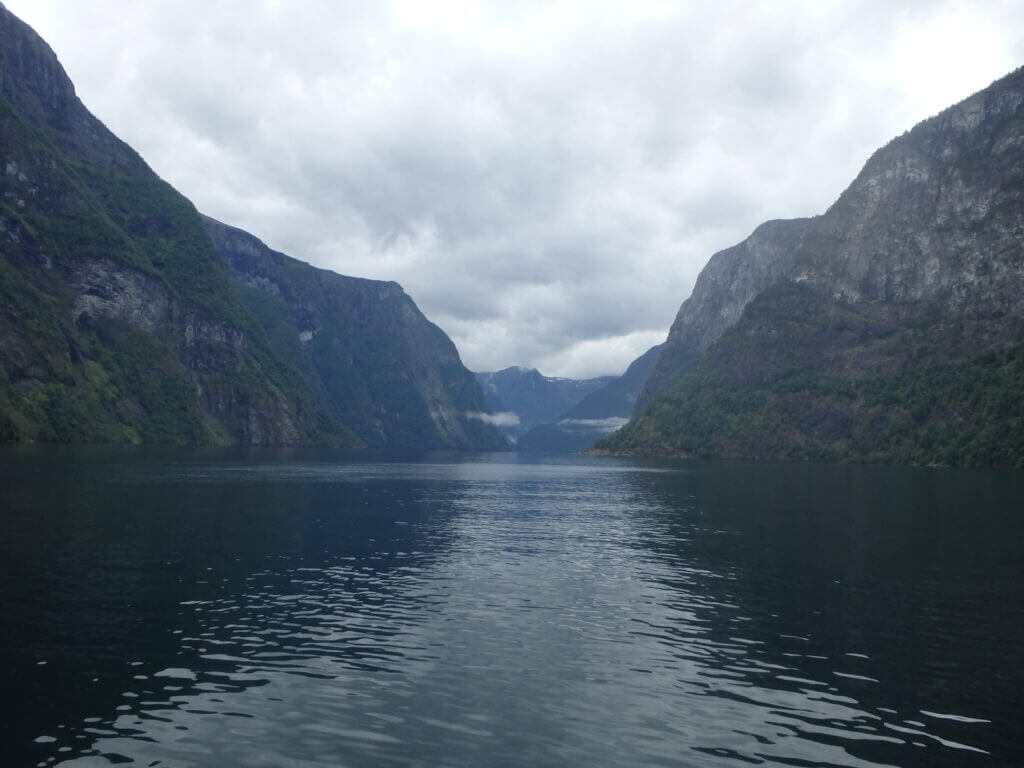
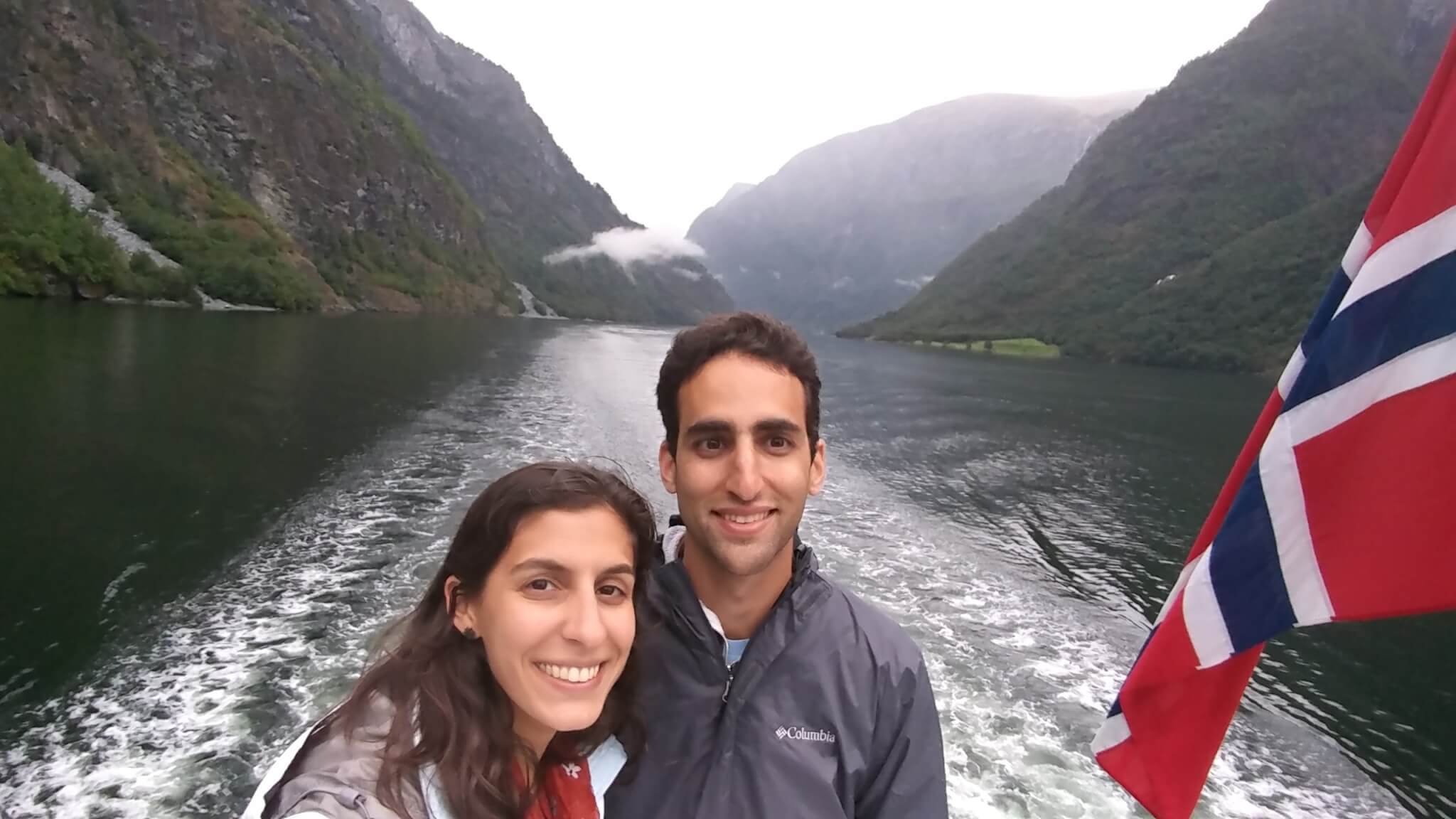
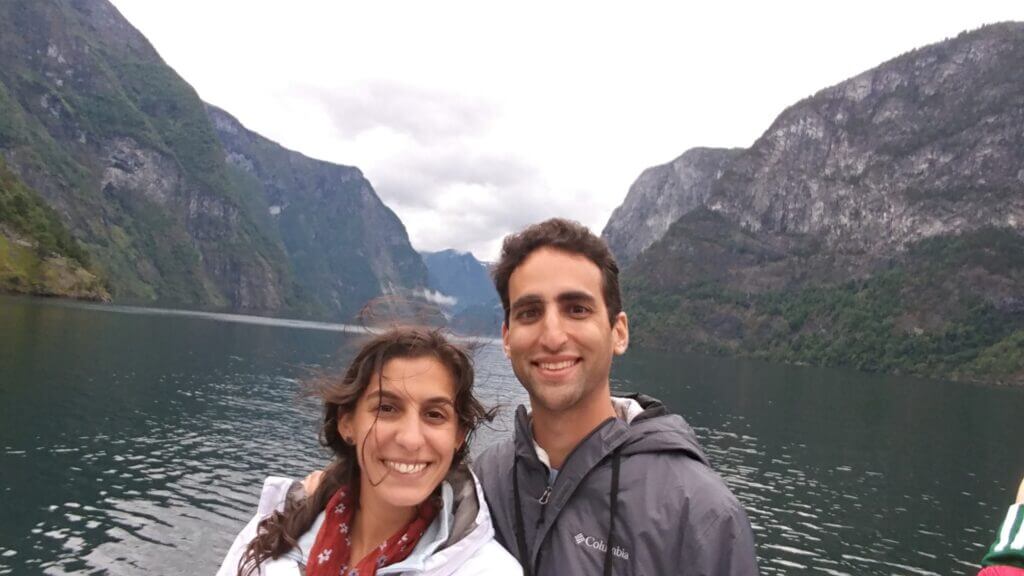
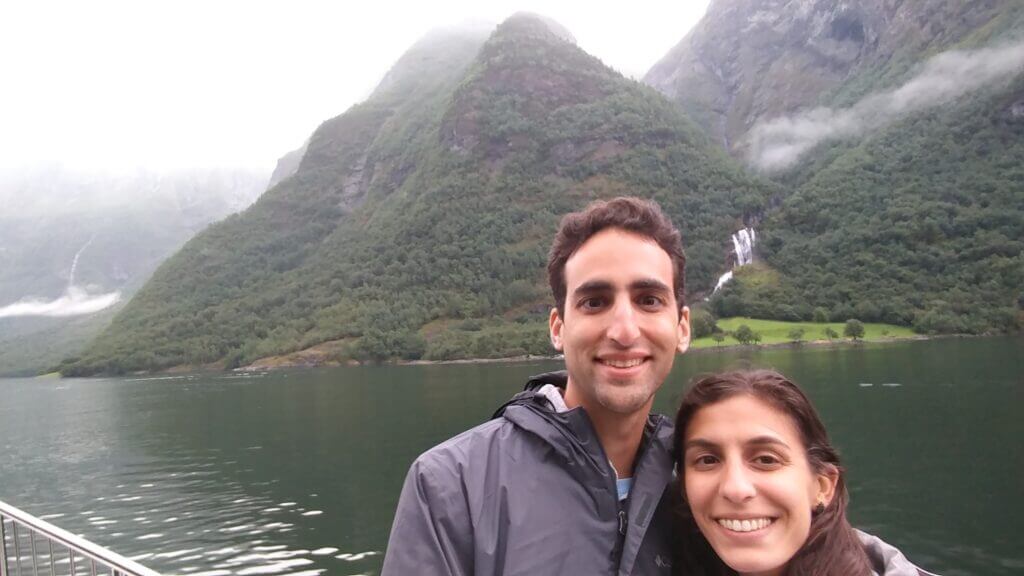
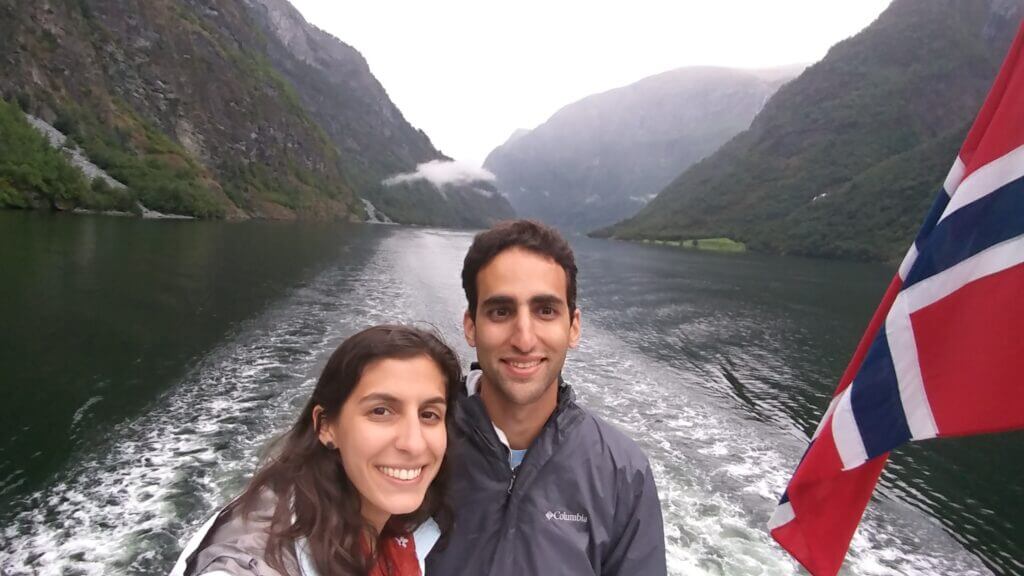
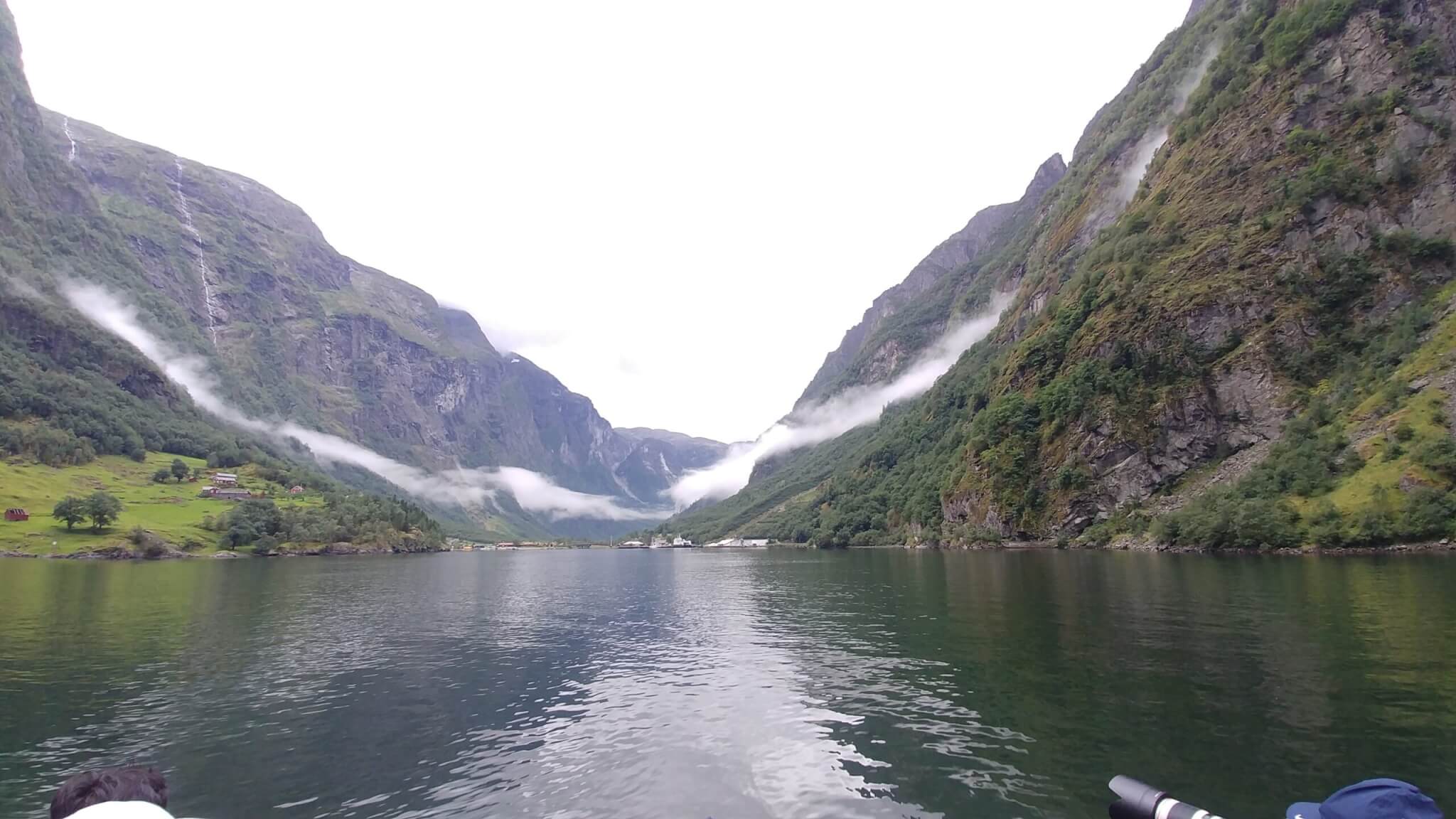
Fjord cruise – The cruise took us on the magnificent Aurlandsfjord and on the narrow Nærøyfjord. It was a bit misty and chilly on the decks, but the fjords were spectacular. The tall cliffs were imposing, and there were waterfalls scattered along the mountainsides. The clouds along the fjords gave it all a mystical feel. After the cruise, we continued our journey to Bergen
Bergen
Day 4
This was the wettest day of our trip. It is one of the rainiest places in Europe. This beautiful town is a UNESCO heritage site, and most of the buildings are built to look the way they did hundreds of years ago. Bergen is known as the gateway to the fjords, but there were a few sites for us to visit.
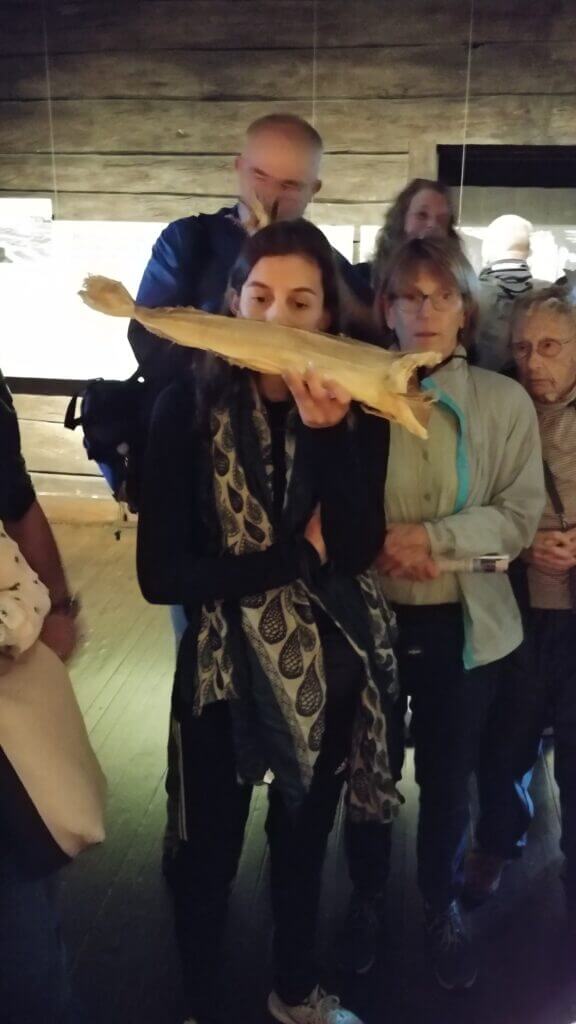
Hanseatic Museum – Hanseatic merchants from Northern Germany sailed into Bergen in the 13th century to exchange grain for stockfish from Northern Norway. Their trading activities made Bryggen and Bergen one of Northern Europe’s most important trading hubs for centuries. The Hanseatic League was a medieval commercial and defensive confederation of merchant guilds and market towns in Central and Northern Europe. Here we learned about the power of this international league of merchants, and how they dominated trade throughout Europe.
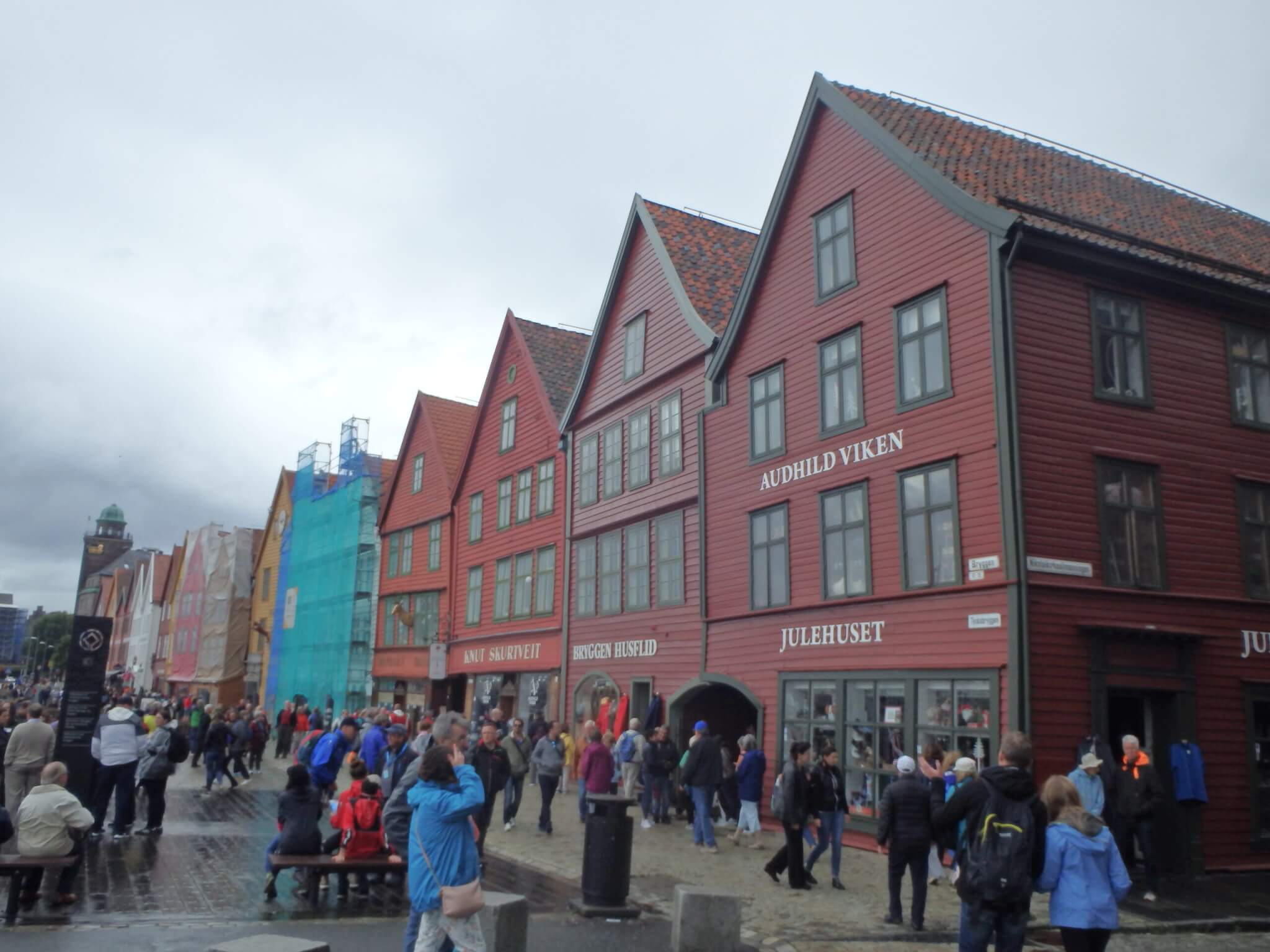
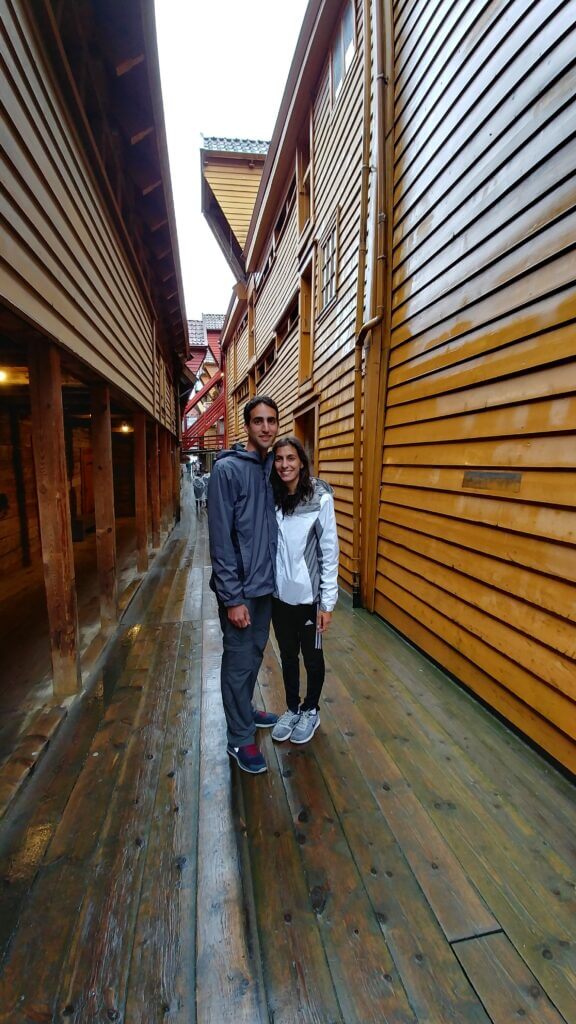
Bryggen – Bryggen, the old wharf of Bergen, is a reminder of the town’s importance as part of the Hanseatic League’s trading empire from the 14th to the mid-16th century. This area is built up of wooden shops and houses, and is now filled with cool shops. Also nearby is the traditional fish market.
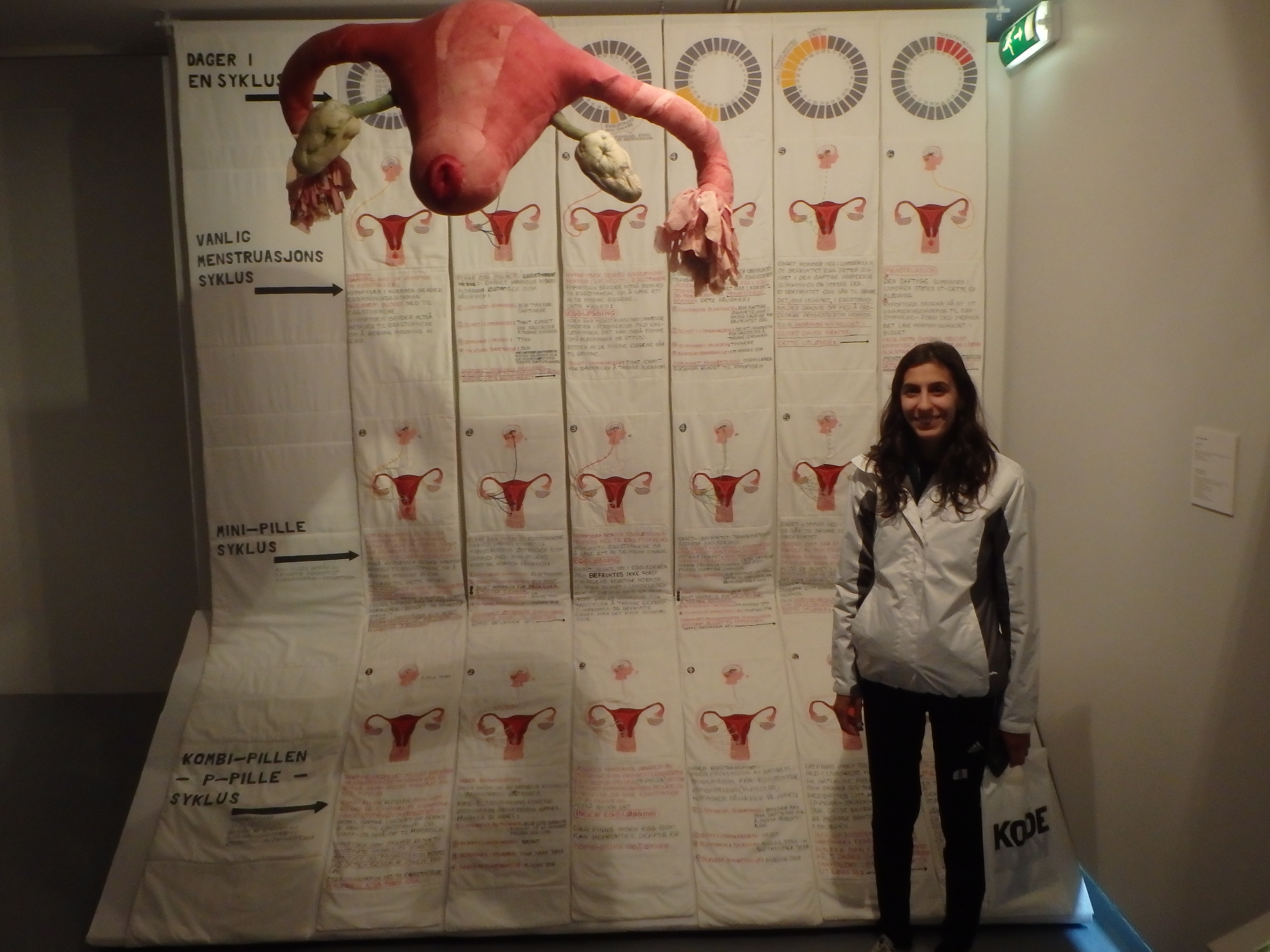
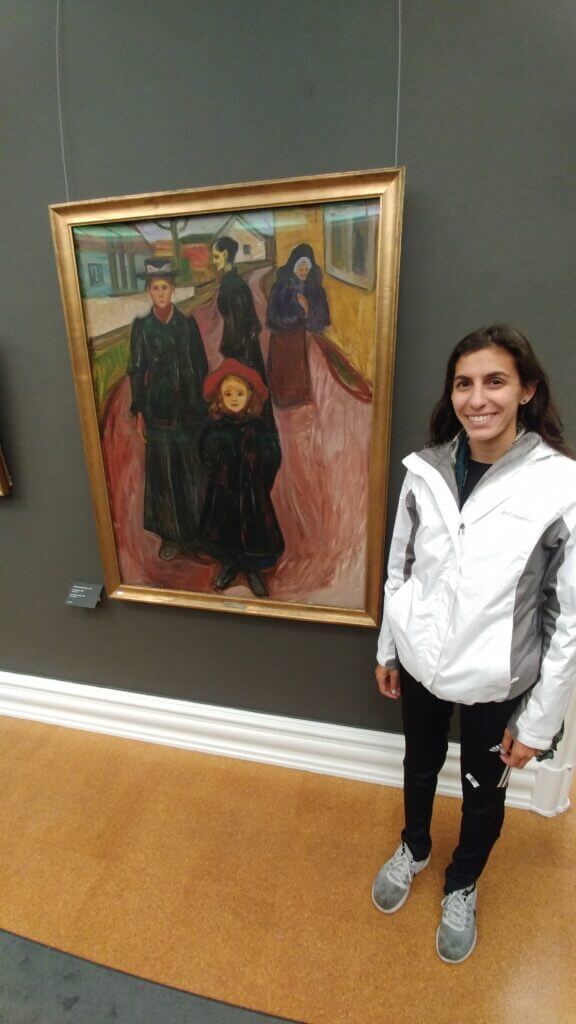
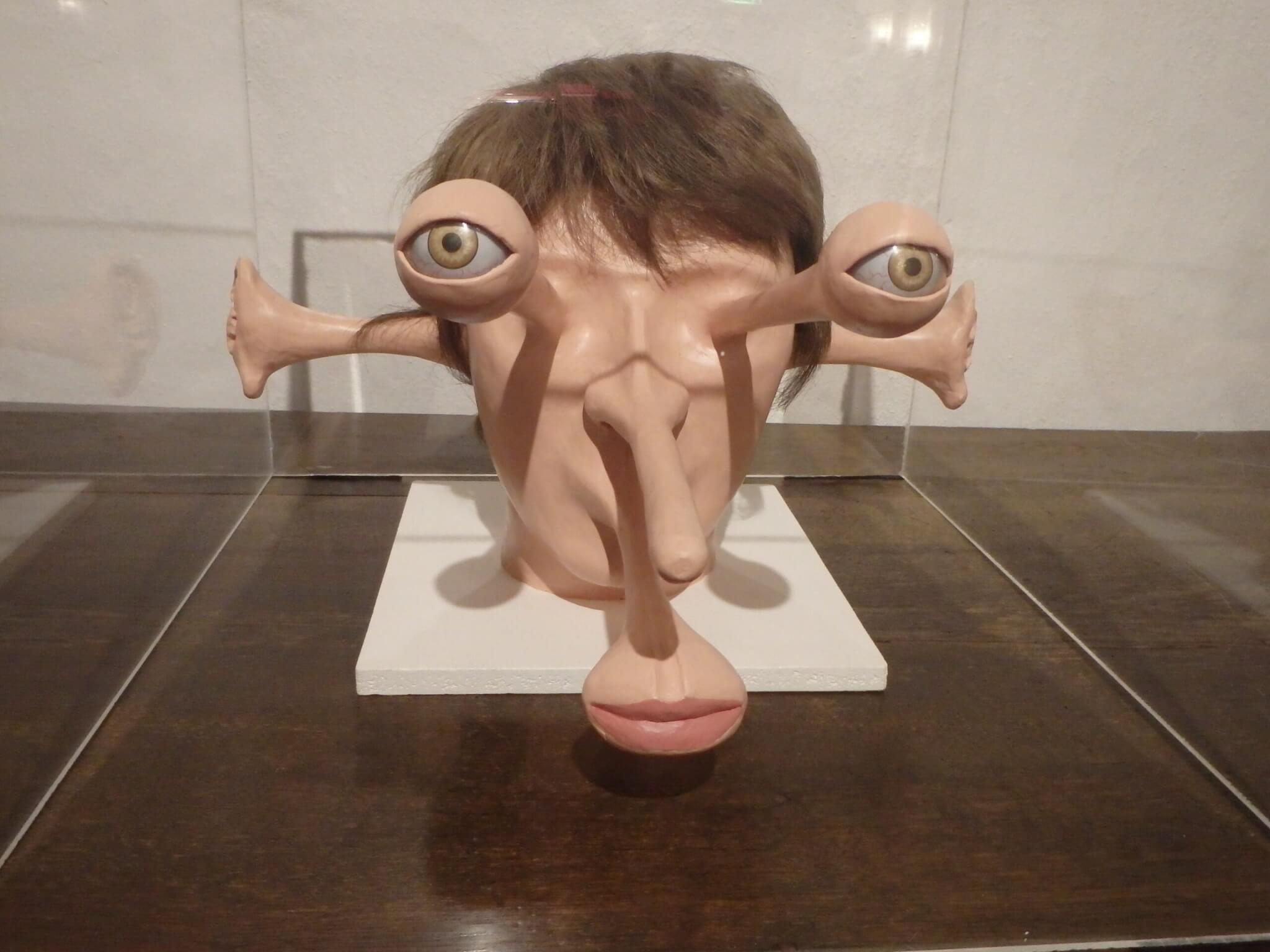
Kode Art Museum – Because it was raining, we decided to visit the Kode Museum, actually made up of four different buildings with different types of art. It also includes the largest collection of Edvard Munch paintings.
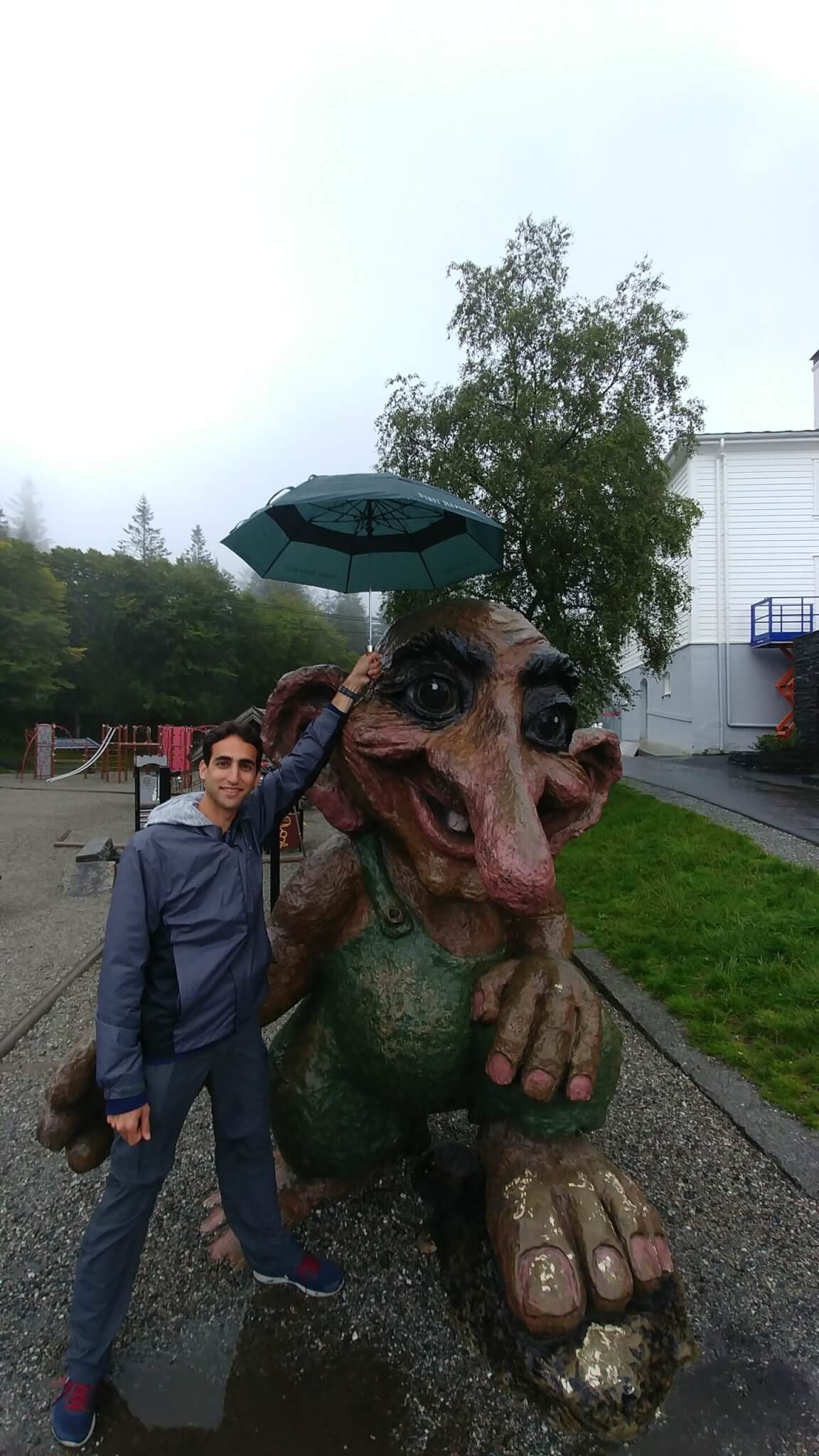
Mt. Floyen – Once it stopped raining (mostly!) we took the funicular Fløibanen up to the mountain overlooking the town. It was a nice view, and there was a little park to hike through with some friendly trolls.
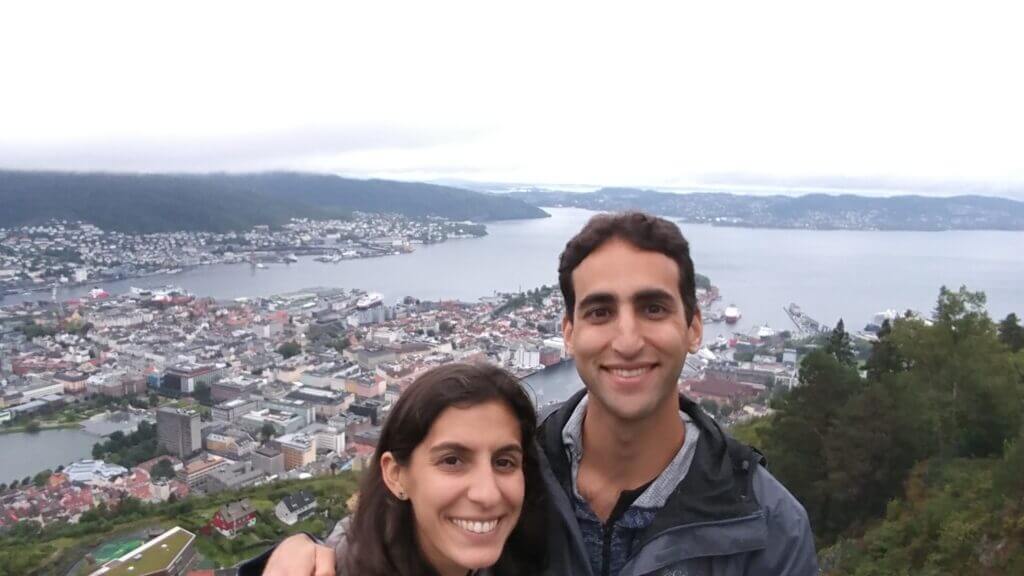
Torgallmenningen – After eating some more salmon at Pink Fish, we walked around the main square of Bergen to do some shopping, and listen to the Bergen Philharmonic Orchestra play an open air concert.
Stockholm
Day 5
Friday Morning, we took a short 90 minute flight to Stockholm, which would be our last stop on the trip. After checking into our hotel, we spend the rest of the day walking around town.
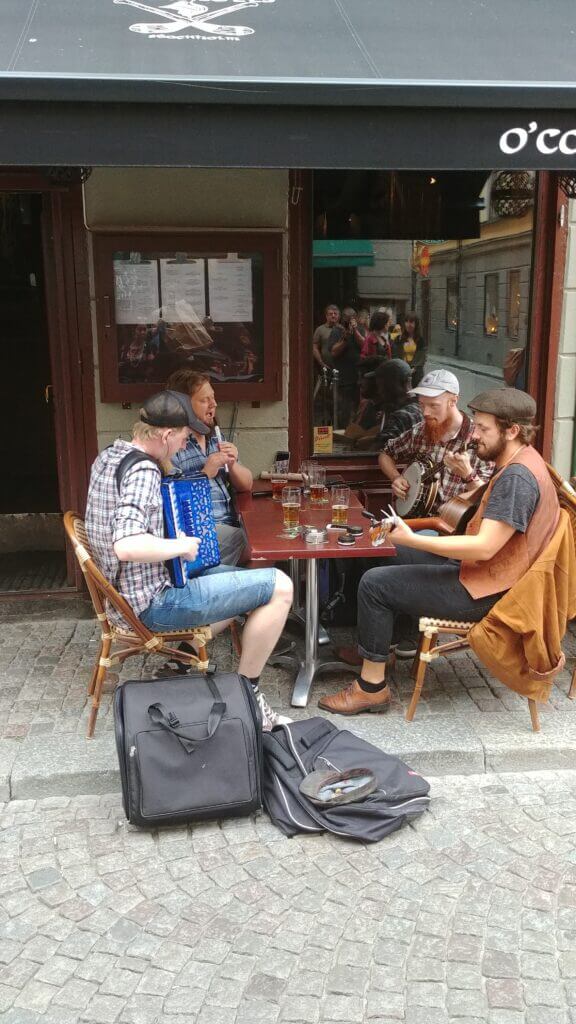
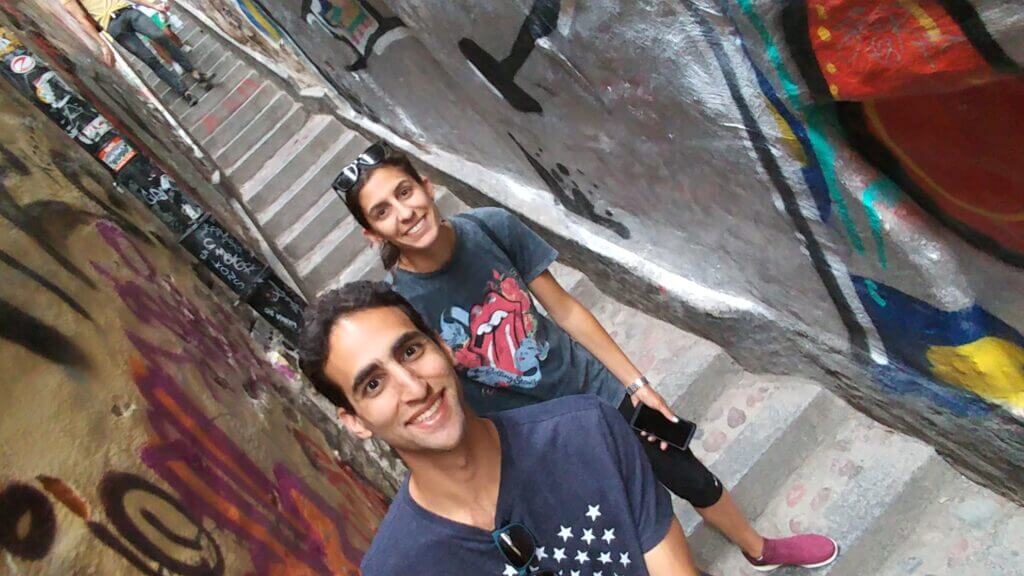
Gamla Stan – Stockholm is made up of a series of islands. At the center of town, is the historic old city, Gamla Stan. It’s a beautiful area with cobbled streets and colorful 17th- and 18th-century buildings. We enjoyed walking around, shopping in some of the old shops, and exploring the narrow alleyways.
Skinnarviksparken – We continued our walk towards to south side of the city, and the park overlooking the water. This area gave us great views of the entire city.
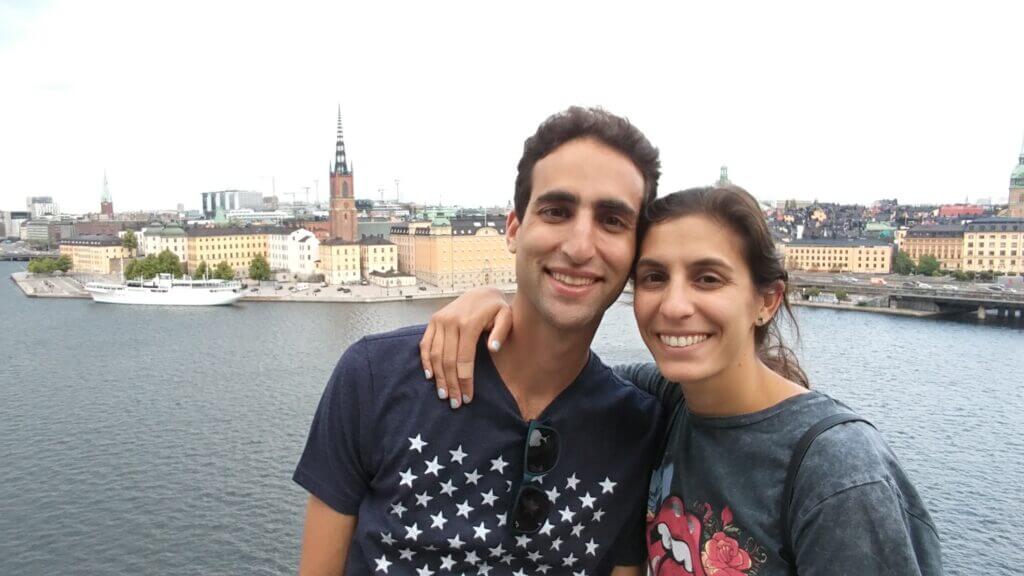
Day 6
Since we bought the city pass, we had access to all the sites we wanted to see in Stockholm and were able to visit on Shabbat. (All the pictures are actually from Sunday when we passed by to grab a few quick snapshots!) We went to the local Jewish community center for shul and got to meet the small Jewish community in Stockholm today. Afterwards, we walked to the Djurgården island, and visited the museums there:
- Swedish History Museum – Covers Swedish archaeology and cultural history from the stone age to today.
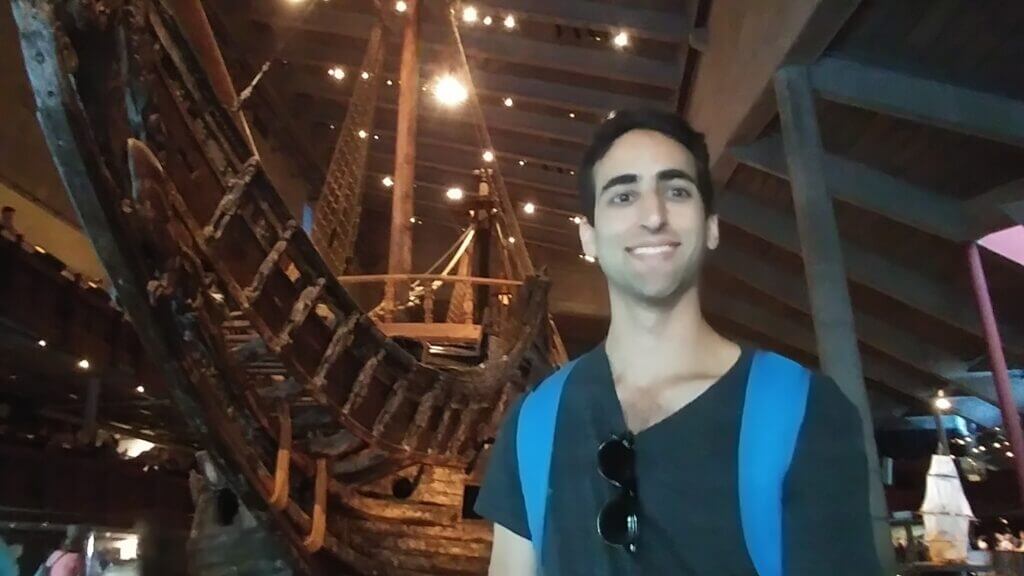
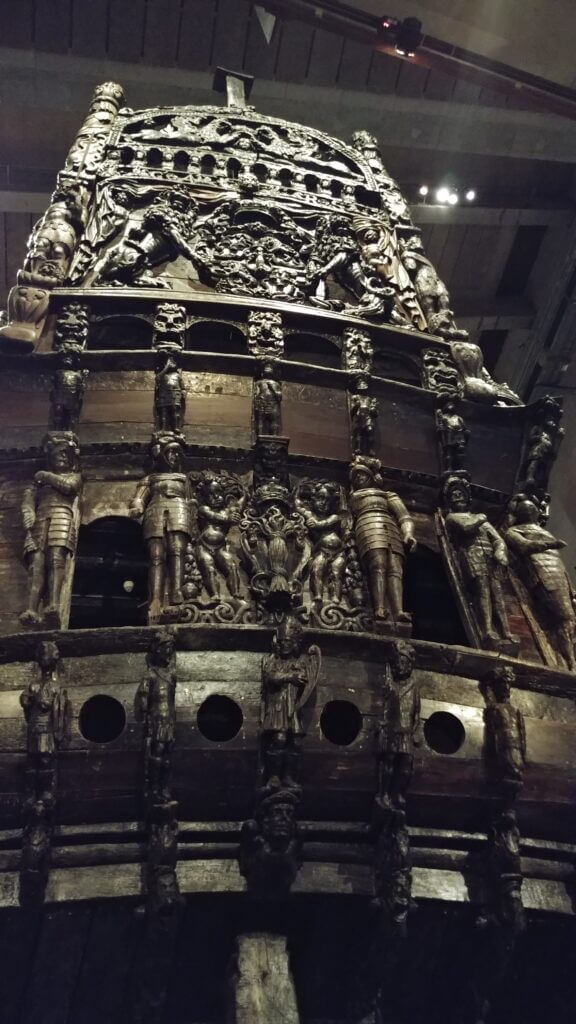
- Vasa Museum – Cool museum telling the story of the Vasa. This was one of the largest 17th century ships built at the peak of the Swedish Empire. We learned about the history of this period, and the arms race to dominate the Baltic Sea. This ship was built with several engineering mistakes, and sunk as it left the shipyard. It was buried in mud, and salvaged intact in modern times.
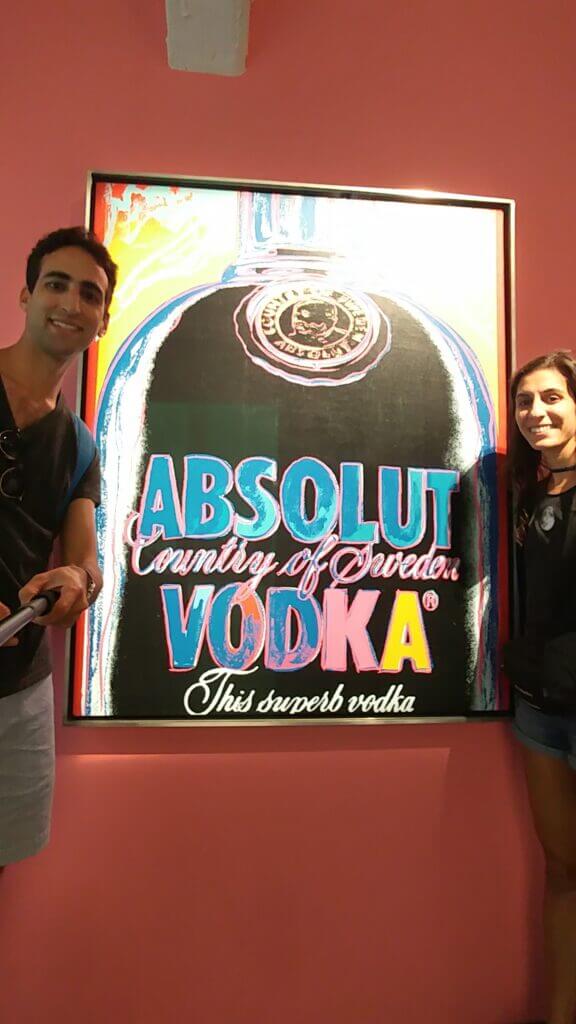
- Spirit Museum – Museum dedicated to drinking, with cool exhibit on the Absolut Vodka advertising campaigns.
- Nordic Museum – Dedicated to the cultural history and ethnography of Sweden from the early modern period to the contemporary period. This was a quick stop.
- Aquaria Vattenmuseum – This aquarium was a quick stop on our way back. One unique part was the Salmon Ladder, which the aquarium uses to help the development of Salmon in the Baltic Sea around Stockholm.
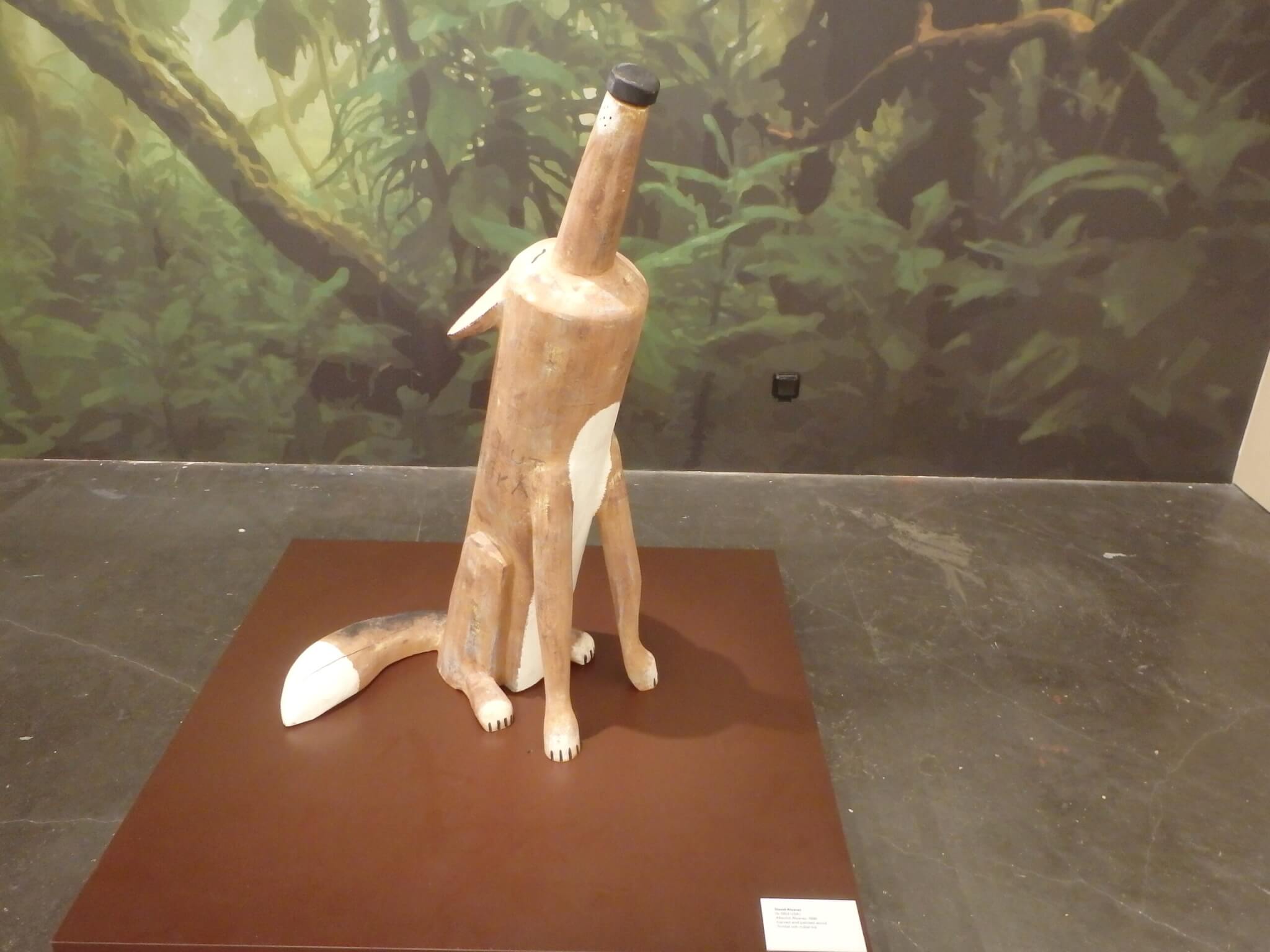
Aquanauts – That evening after Shabbat, we went out to enjoy the aquanauts water acrobatics show that was taking place as part of the Stockholm Culture Festival. It was pretty cool to see.
Rutabaga – After the show, we managed to get ourselves a table at the Michellin Star 10-course prixe fixe menu at Rutabaga which was a really cool experience. Every course had a story, and presented food in crazy unique ways.
Day 7
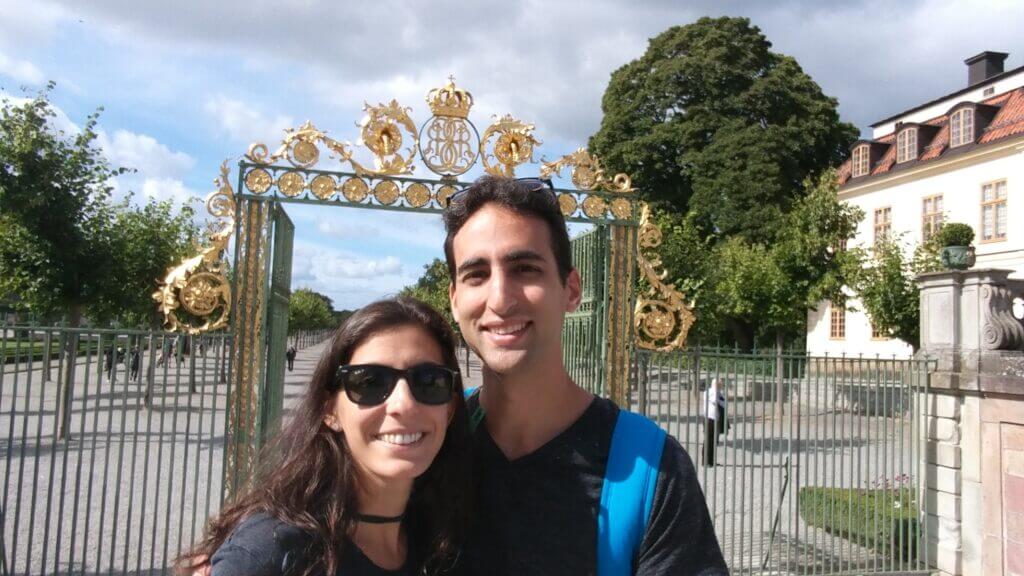
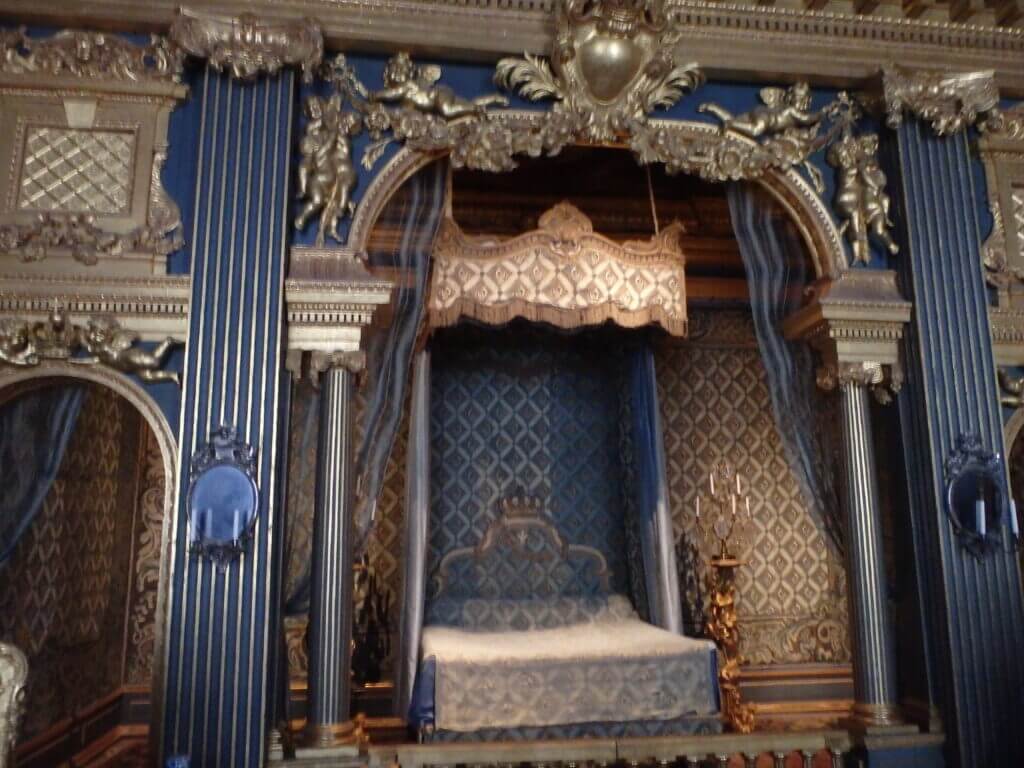
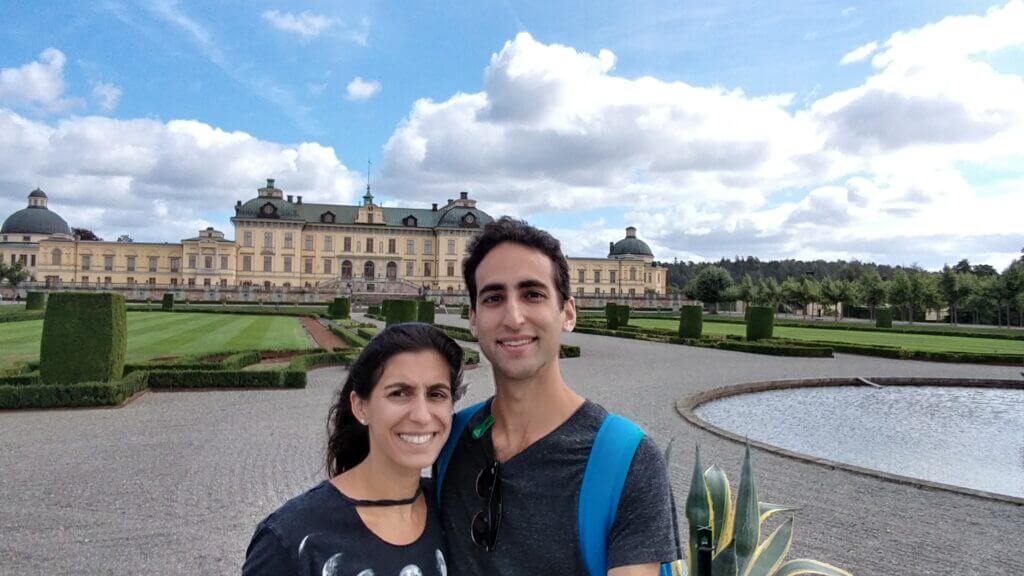
Drottingholm Palace – Sunday Morning we took the ferry to the Swedish equivalent of the palace at Versailles. The royal palace was very nice, with beautiful grounds as well.
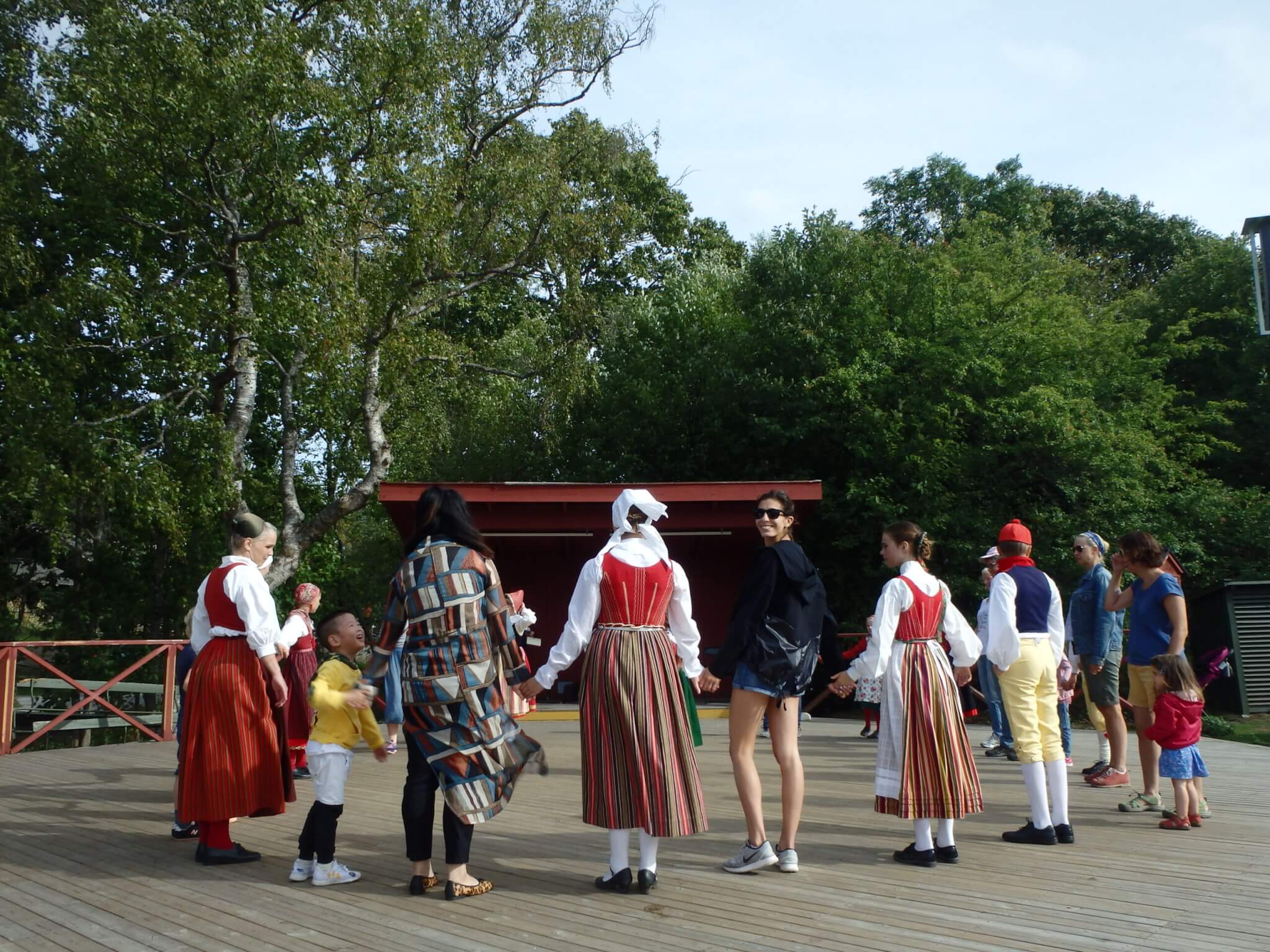
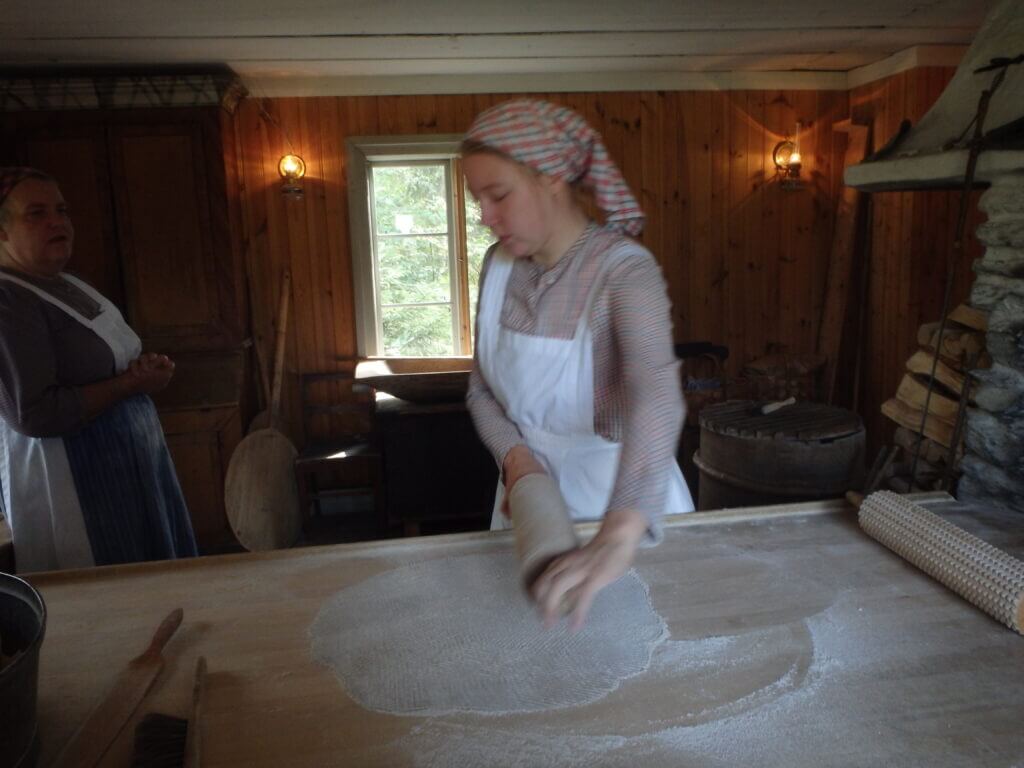
Skansen – Once back in Stockholm we went to the outdoor open air museum/zoo. We saw a replica of a pre-industrial Swedish town, with people in costume, dancing (that Rita joined in on), traditional brod – matzah baking. The animals were cool as well.
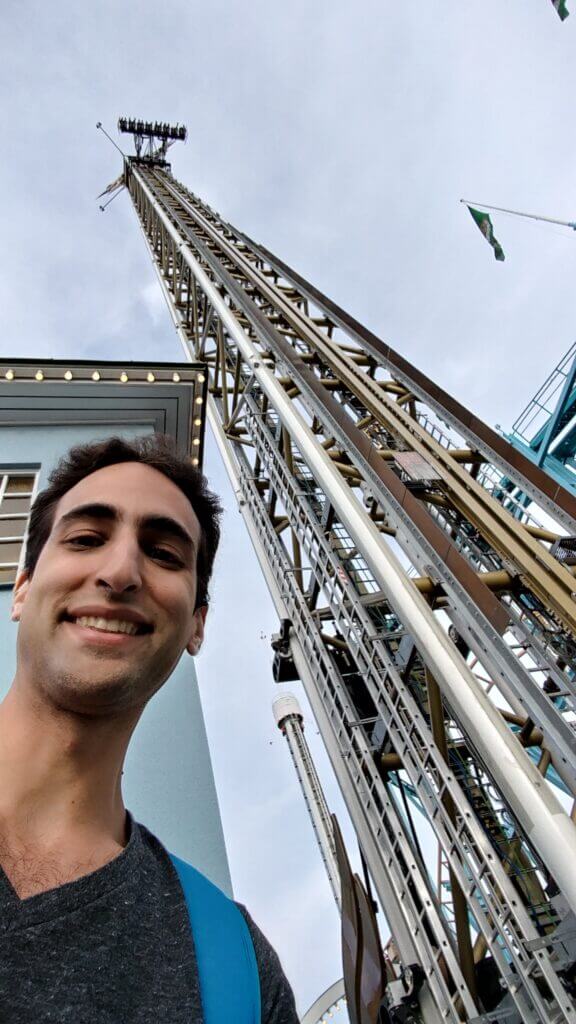
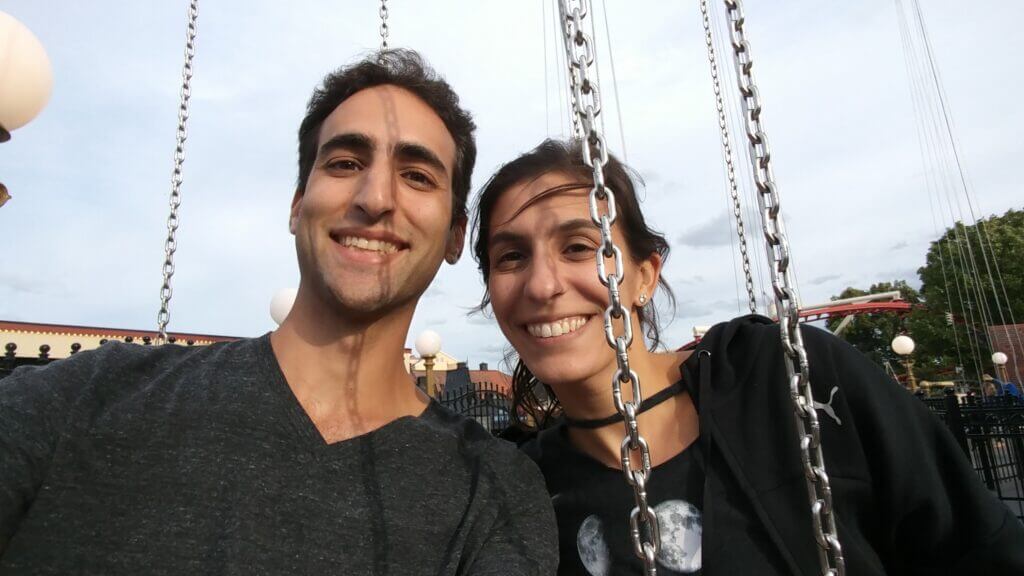
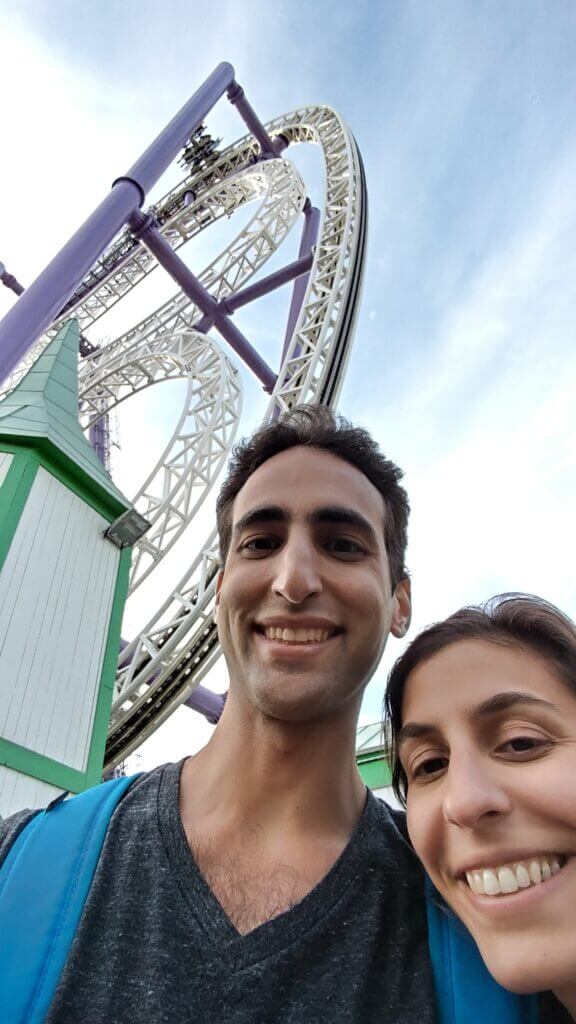
Grona Lund – Afterwards, we stopped at the amusement park nearby. This place had Coney Island vibes, but the rides here were incredible. They had a swings ride that took you 400 feet high, and several rollercoasters including “Insane” that spun and flipped as the car navigated the track. We also rode Ikaros (Icarus), a 300 foot drop tower. We didn’t expect much here, but this was easily one of the most exciting amusement parks we’ve been to. Highly recommended!
Fotografiska – That night, we visited the photography museum, which was open late.
Day 8
Our last day of the trip, we wanted to visit one of the islands in the Stockholm Archipelago. This was really an extra day for us, since we saw most of what we wanted to see in Stockholm.
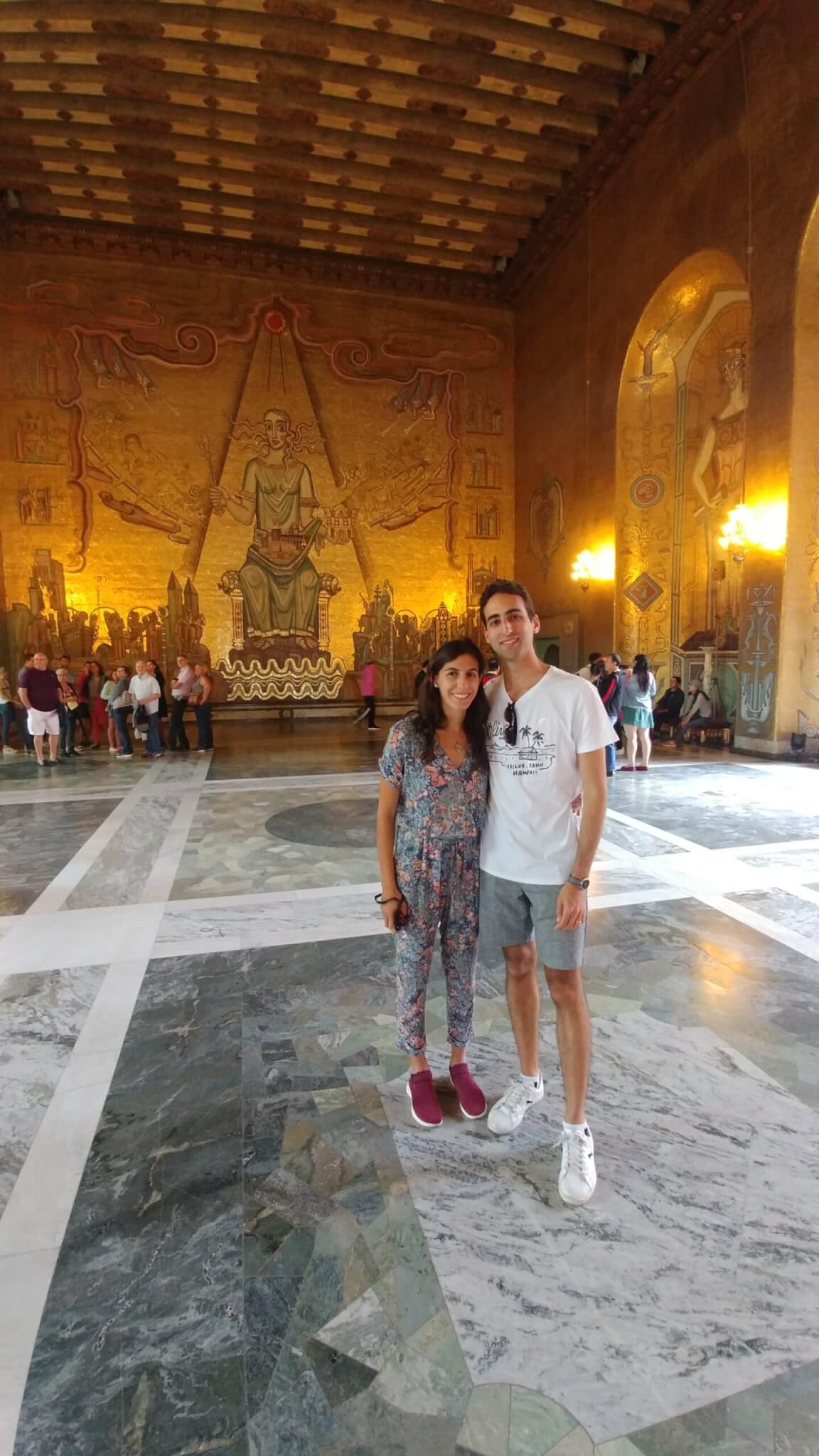
Stockholm City Hall – This venue of the Nobel prize ceremony, was a beautiful building, where we learned a bit about the Scandinavian model of governance, with large social programs and some of the local politics. This was a guided tour which was very informative.
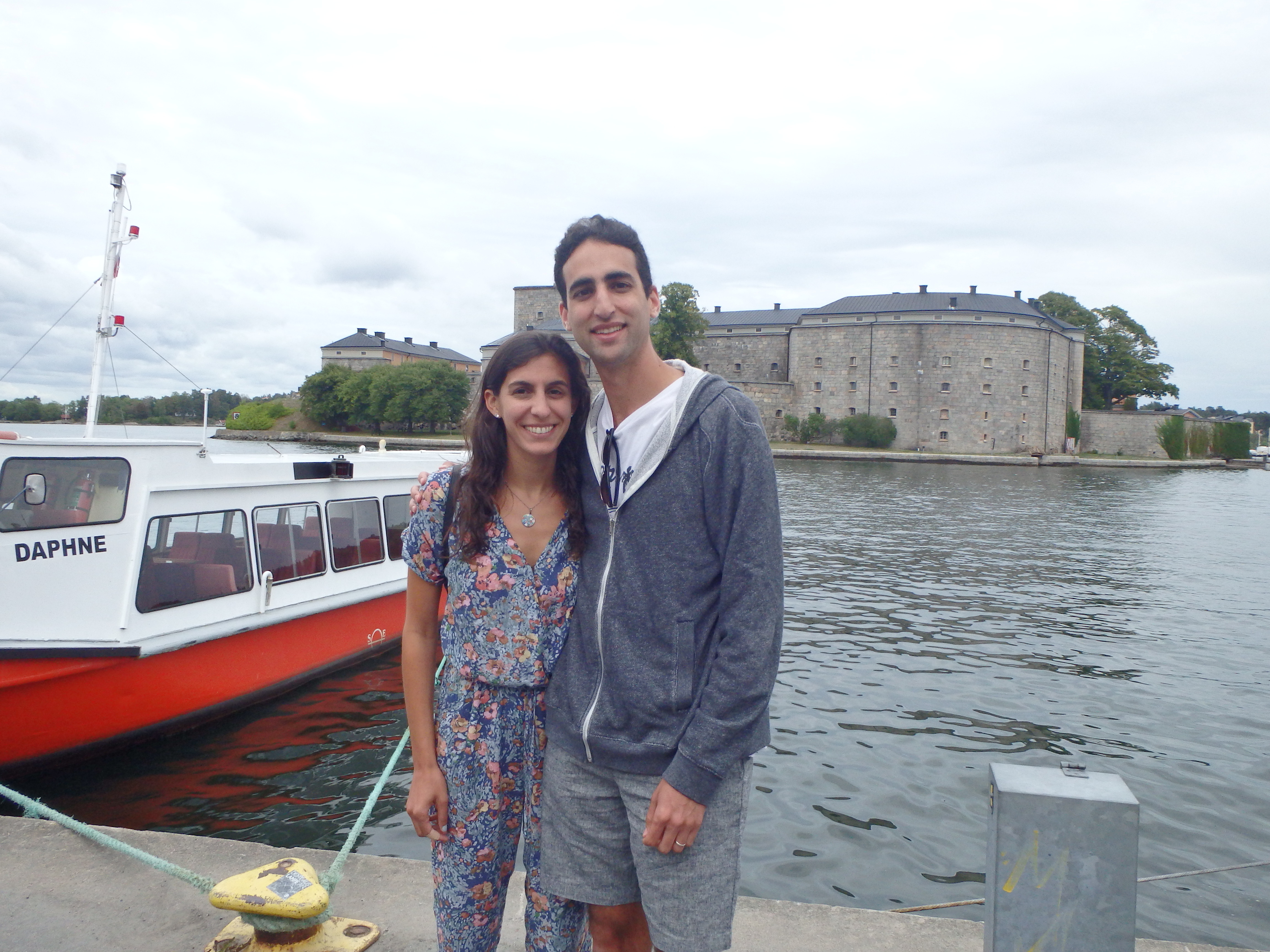
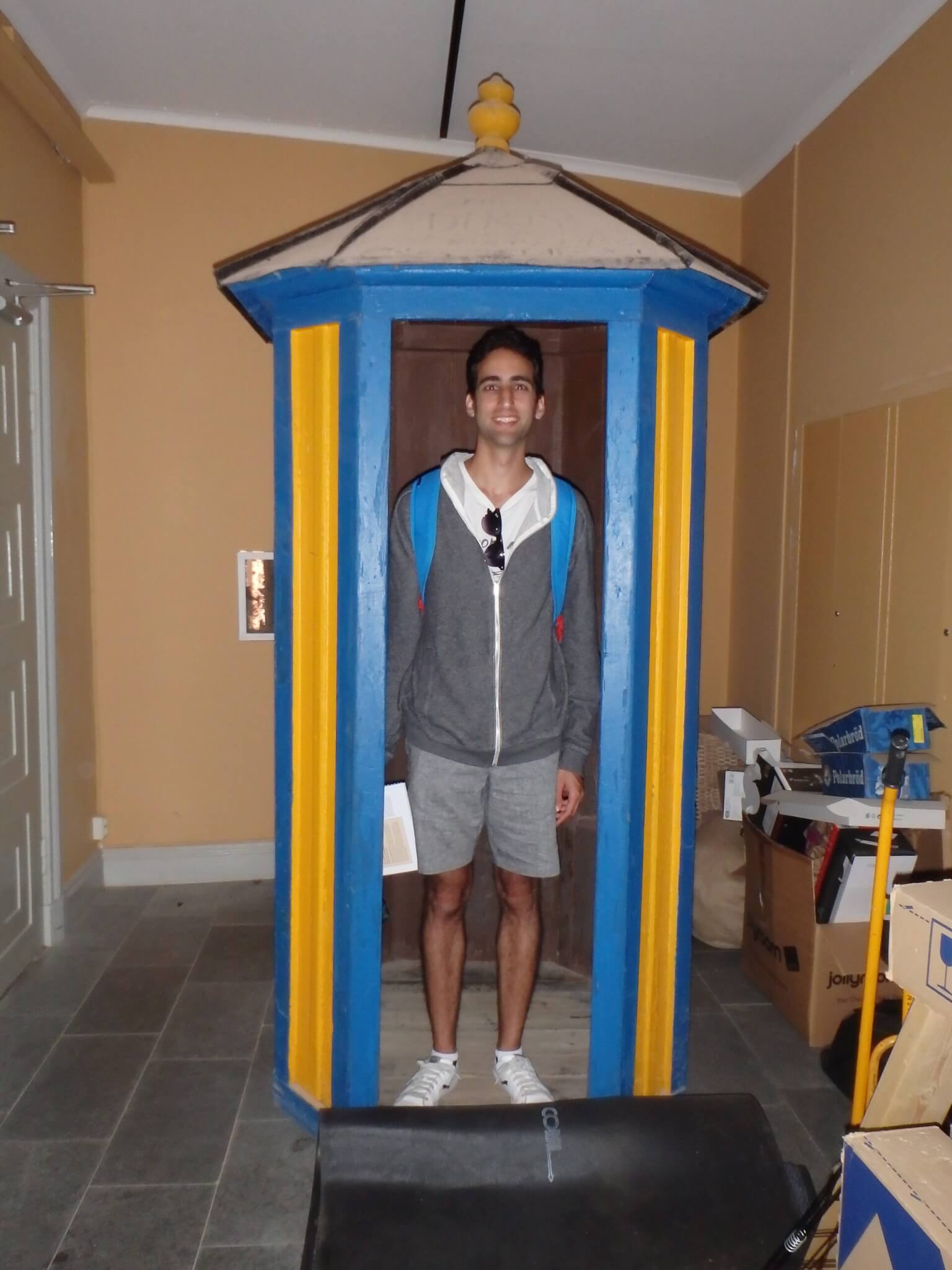
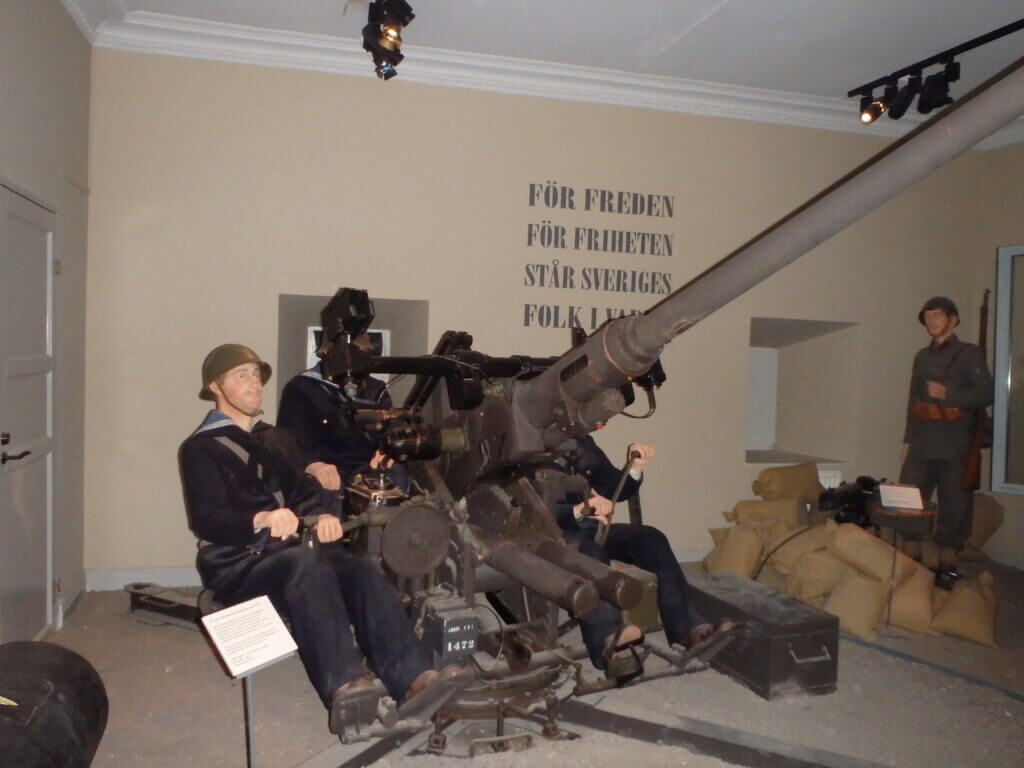
Vaxholm – We visited the town of Vaxholm by ferry. We spent most of the day walking around town, and shopping, but we did stop at the Vaxholm Fortress where we learned about Swedish military history and tactics.
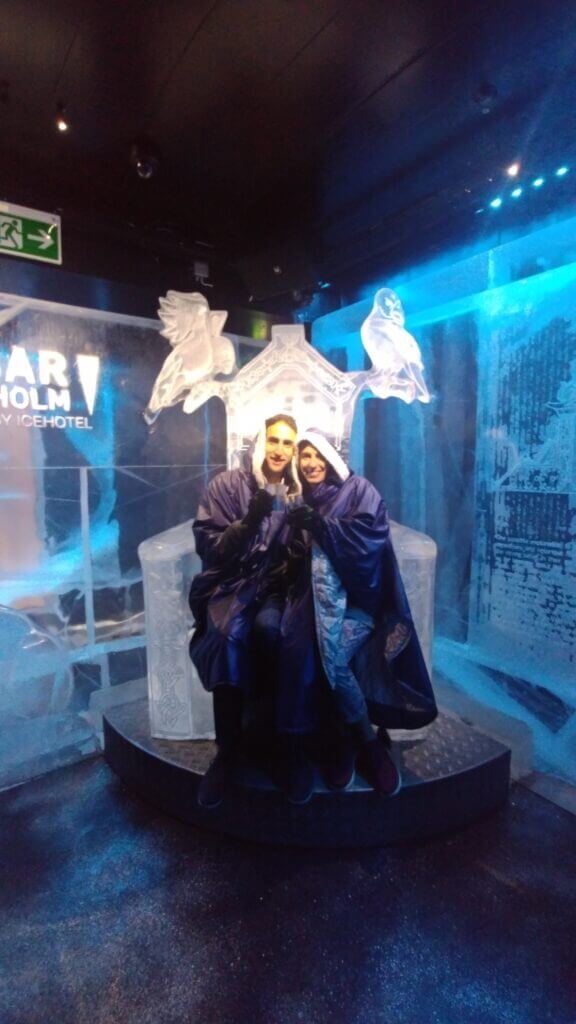
Ice Bar – That night, we capped off our trip with a visit to the Ice Bar for a colorful cocktail!