One year after our honeymoon, we undertook our biggest adventure yet. We really wanted to travel to Asia, and knowing that it would be harder once we were older, we wanted to take advantage. Rita really pushed hard on this one – she really wanted to go to Asia. We considered Thailand, but there was a coup, and we chose China and Japan instead. We felt that language would be our biggest barrier on this trip, so we tried to have a guide with us as much as possible (almost every day in China).
Beijing
Monday, July 7th
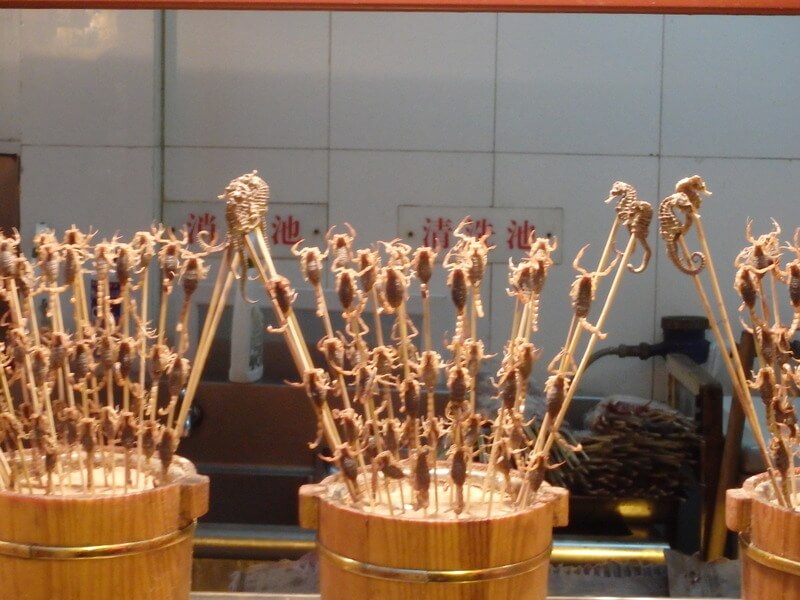
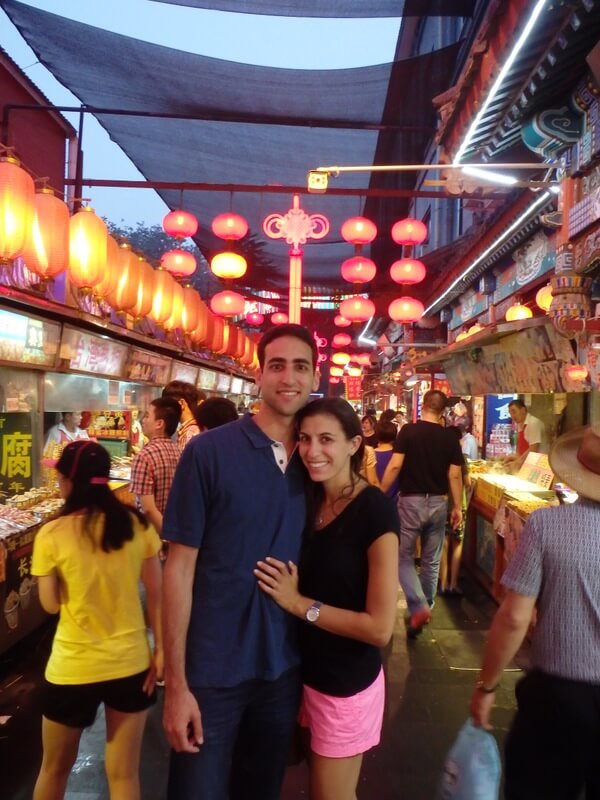
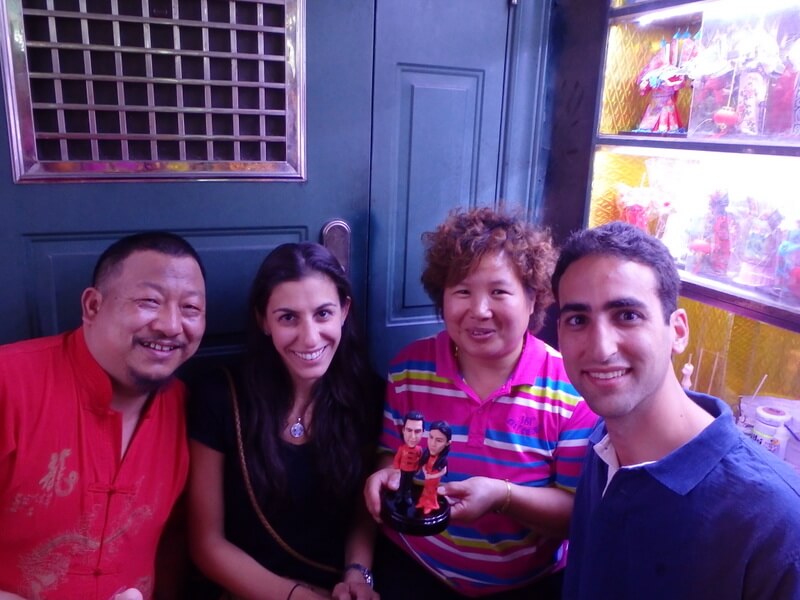
After an overnight 14-hour flight, we landed in Beijing. The first thing we noticed was a heavy haze that was over the city. We checked into the Grand Hyatt and got upgraded to a suite. The hotel was beautiful and was hosting a conference with Germany, so Angela Merkel was staying there. We went for dinner at Gong de Lin (vegan) where we ordered off a menu based on pictures. That night we visited Wangfujing night market, were we saw food vendors selling fried scorpions, chickens and smokey drinks. We found artists that sculpted clay figurines with our faces.
Tueday, June 8th
That morning, our tour guide Jeff picked us up from the hotel. He was young and wasn’t shy about politics or history.
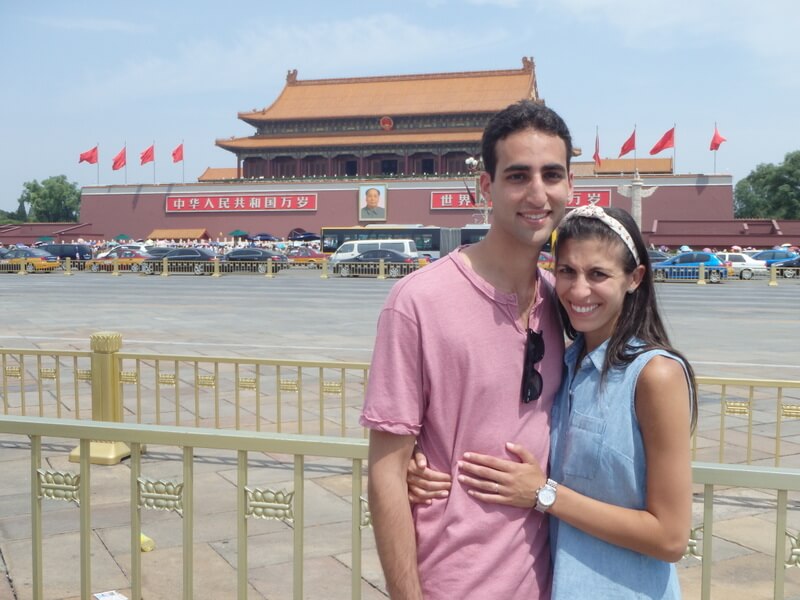
Tiananmen Square – Tons of security to get in, after protests of people burning themselves. Tianenmen = heavenly peace. On June 4, 1989 protests started in the square after the government failed to mourn/recognize the death of Hu Yaobang, a Communist Party reformer. Government came in with tanks and squashed the protests killing many. This incident is erased from history in China. There’s a big painting of Mao on the building over the square, which is redone every year.
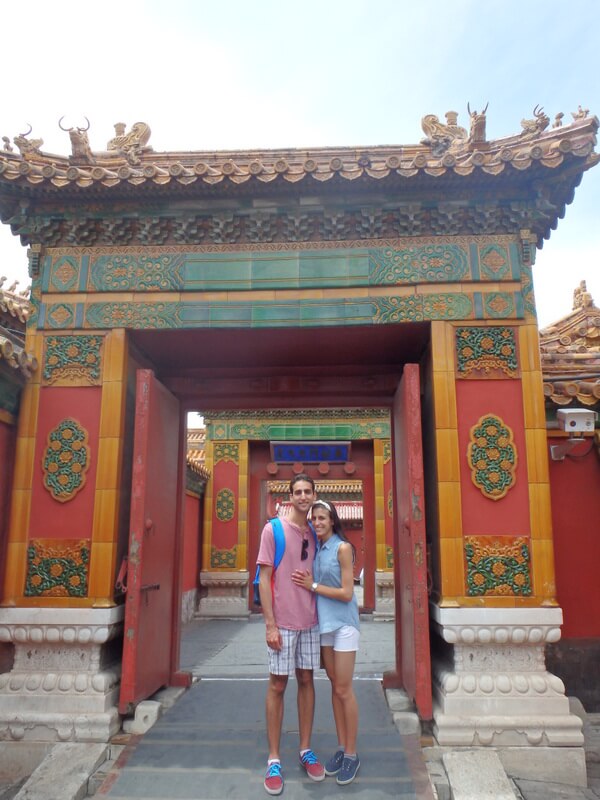
Forbidden City – Former palace of the emperor, forbidden to the public. Built in 1420 under the Ming Dynasty. The palace was very ornate and elaborate, with objects on display from throughout China’s empires. Symbol of happiness and longevity was everywhere, but emperors didn’t often live long due to competition and killings. There were many courtyards, as most people weren’t allowed inside. Palace was staffed by eunuchs (castrated men) and the emperor’s concubines, who grew up in the palace from the age of 5.
For lunch, we stopped by Xu Xiang Zhai Restaurant where we had noodles and fried wontons.
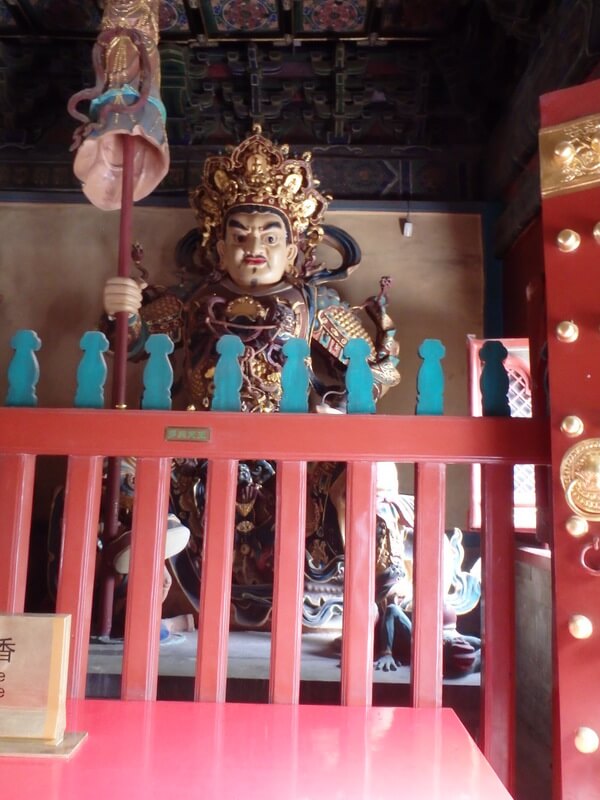
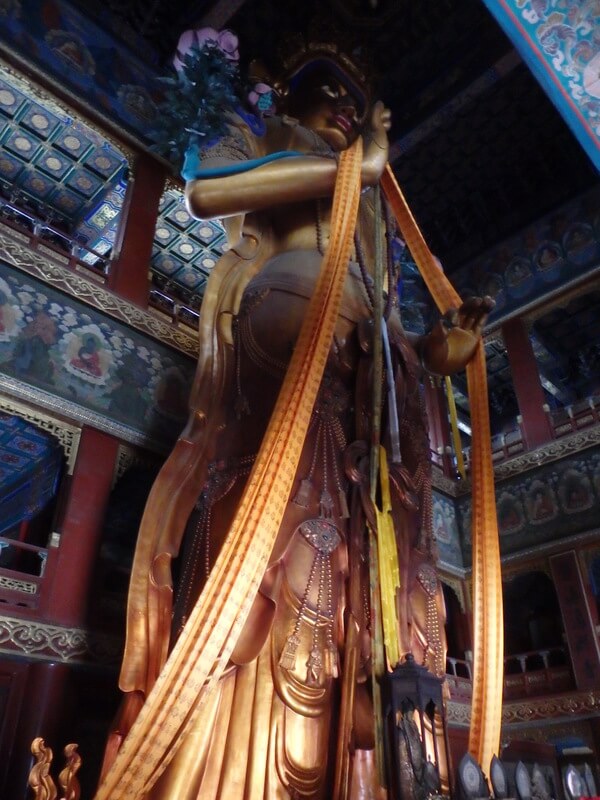
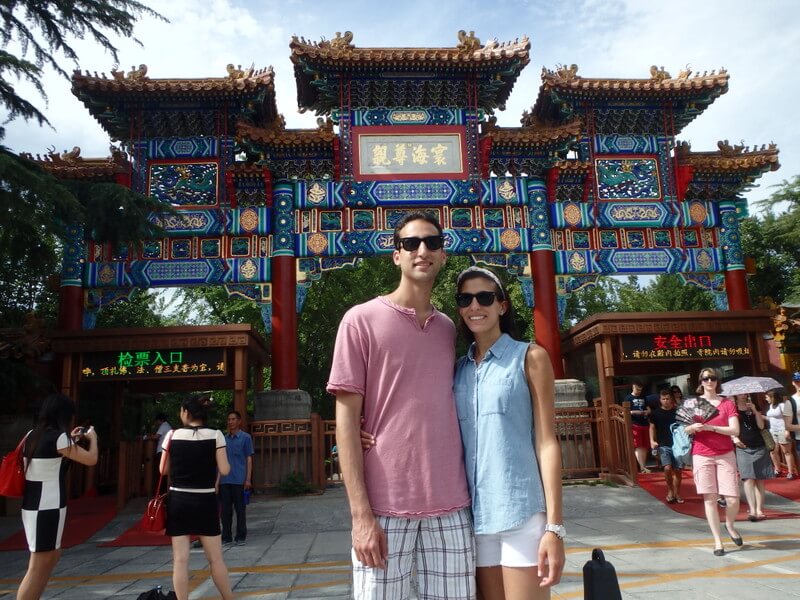
Lama Temple – Temples were built in the 1700s under the Qing Dynasty. Lama = monk. Buddhism spread to China from India. We saw people there lighting incense offerings, lighting sticks and bowing in prayer. One temple had the largest Buddha in the world.
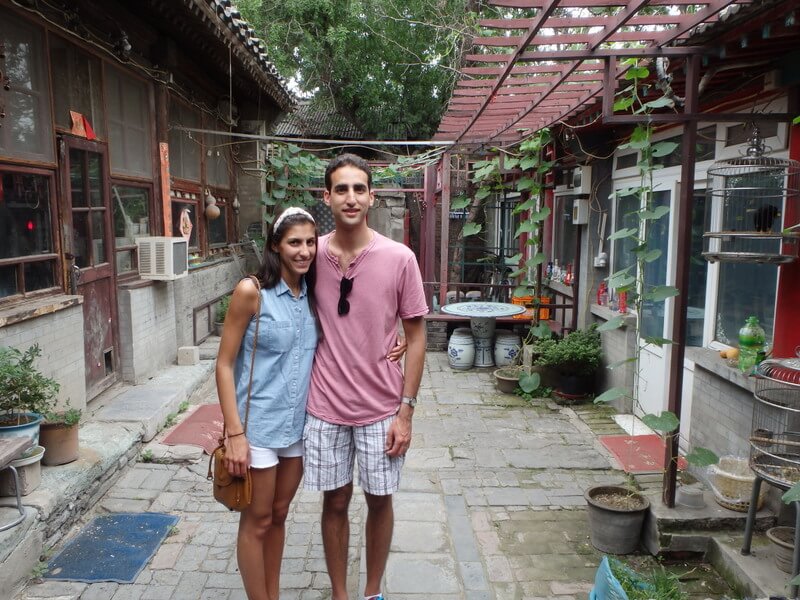
Hutongs, Bell and Drum Towers– We took a rickshaw ride through a traditional Chinese community called hutongs. Many of them are now being razed for gentrification. We met a Chinese couple who showed us their house with a courtyard. They had a parrot that spoke Chinese.
Dinner was at Dini’s Restaurant (Chabad)
Wednesday, July 9th
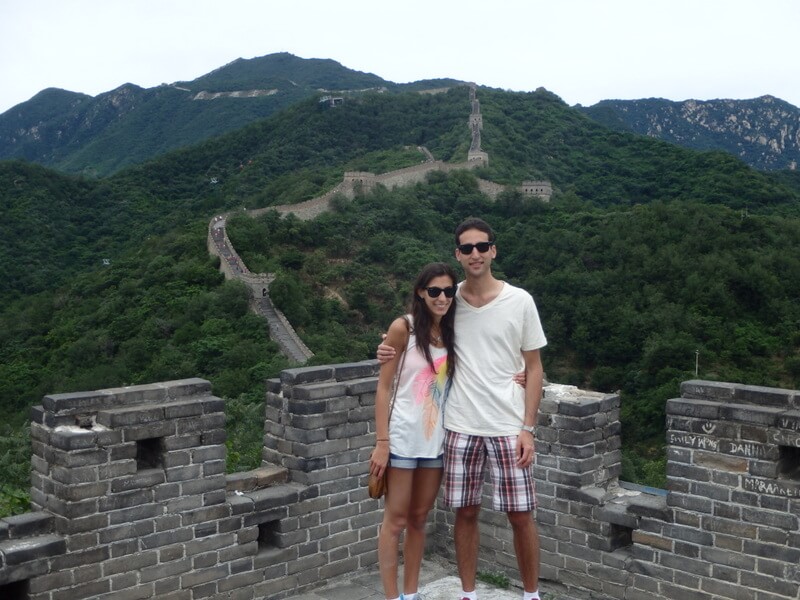
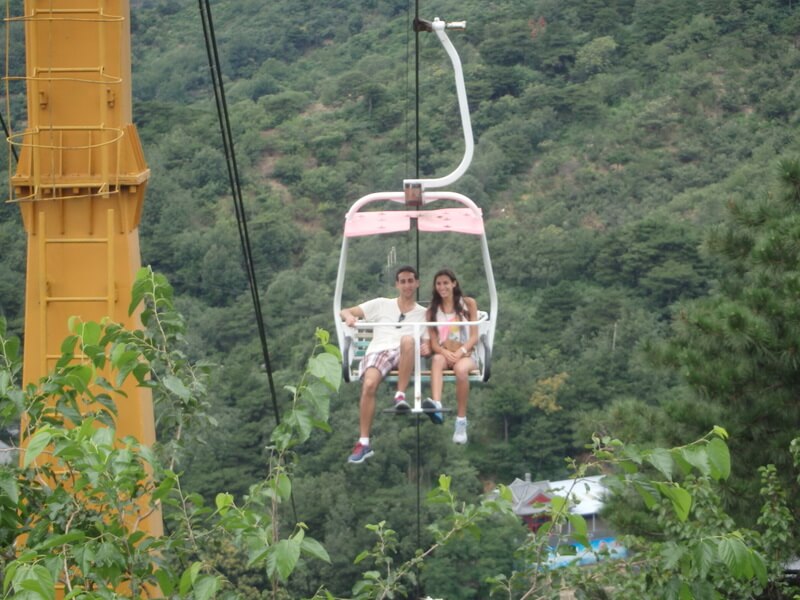
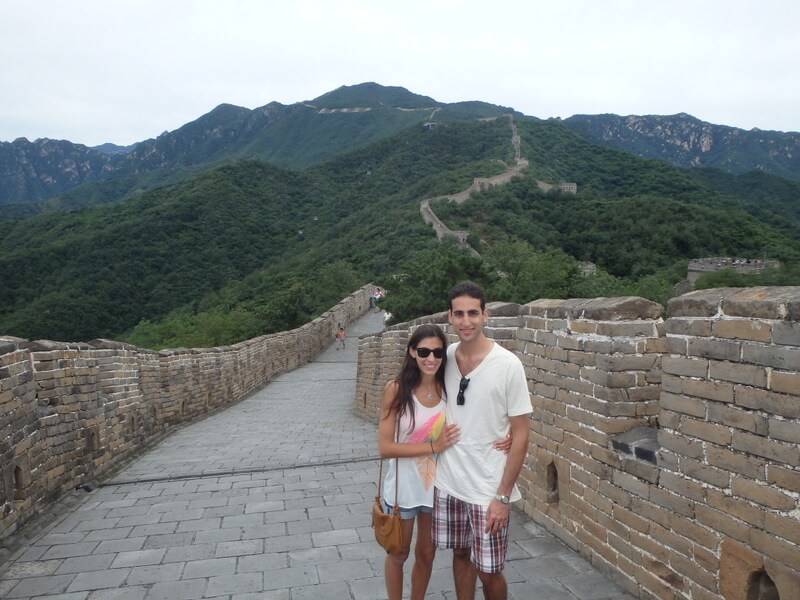
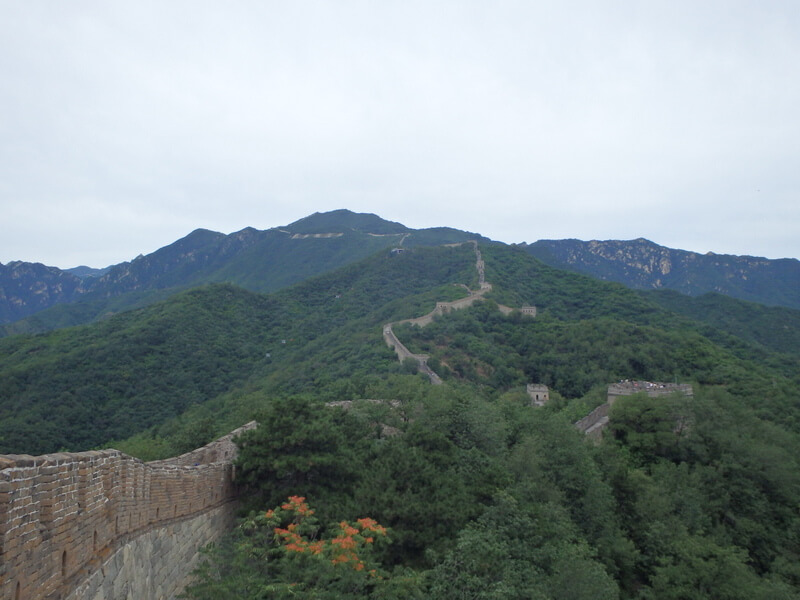
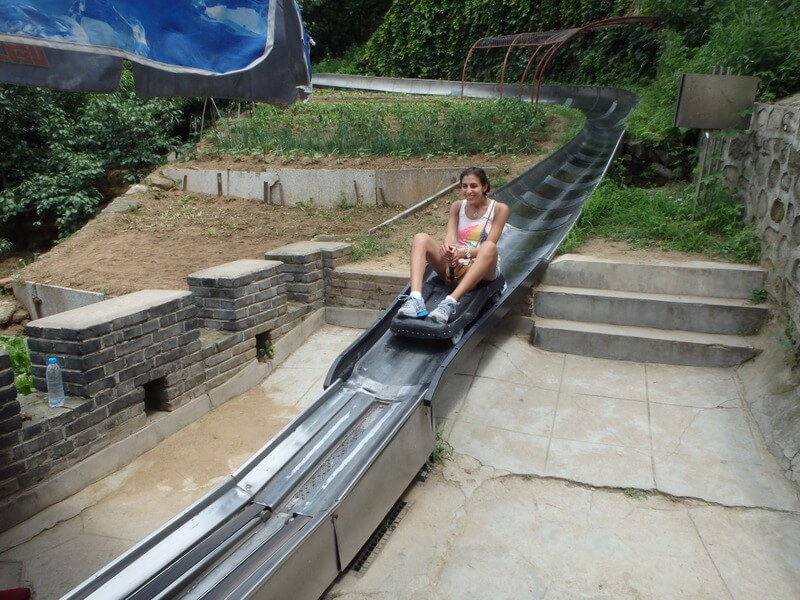
Great Wall of China – We visited the Mutianyu section of the wall. For a bit of history, the Great Wall was built throughout Chinese history starting with the Qin dynasty who built a wall to keep invaders out and the Chinese in. In 1576 the Ming dynasty used brick and stone to reinforce the previously earthen wall. The Great Wall is over 4,000 miles long. According to Mao, “You’re not a man if you haven’t seen the Great Wall.” The wall has turrets and fortresses along the way. We rode a toboggan down from the wall, and Sam refused to break so he almost fell off.
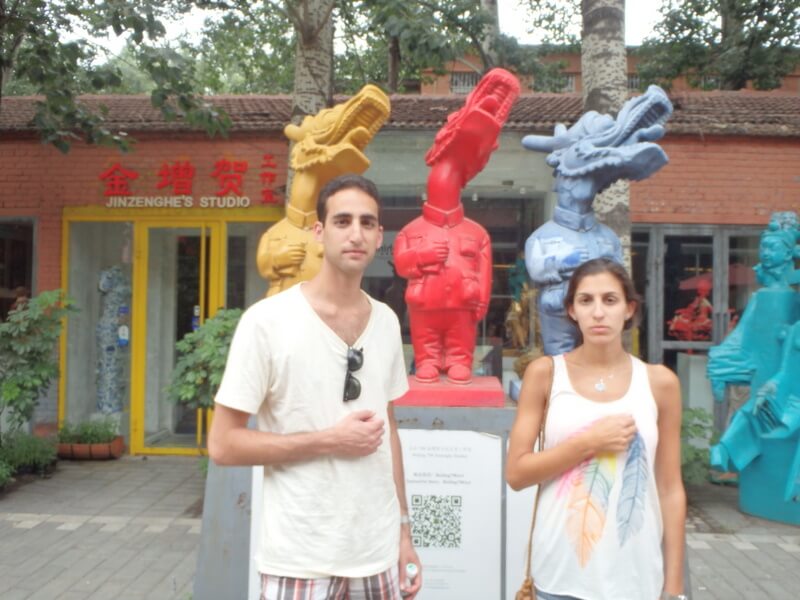
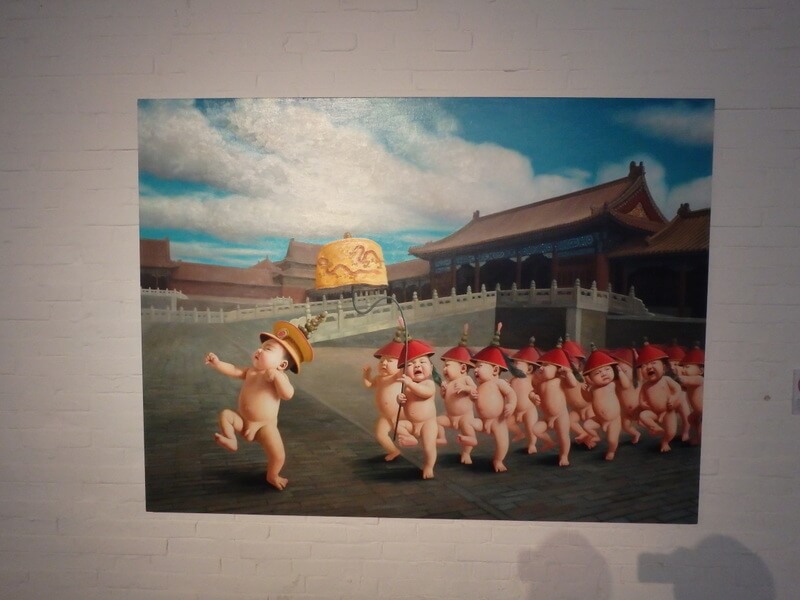
798 Art Zone – Art district from a former military factory district. There were many modern works there, including some with political undertones.
Thursday, July 10th
Jeff told us some stories about Chinese government control. Since there’s a law that employees don’t have to work over 40 degrees Celsius, they don’t let media report temperatures that high. They also restrict driving by license plate numbers to reduce pollution.
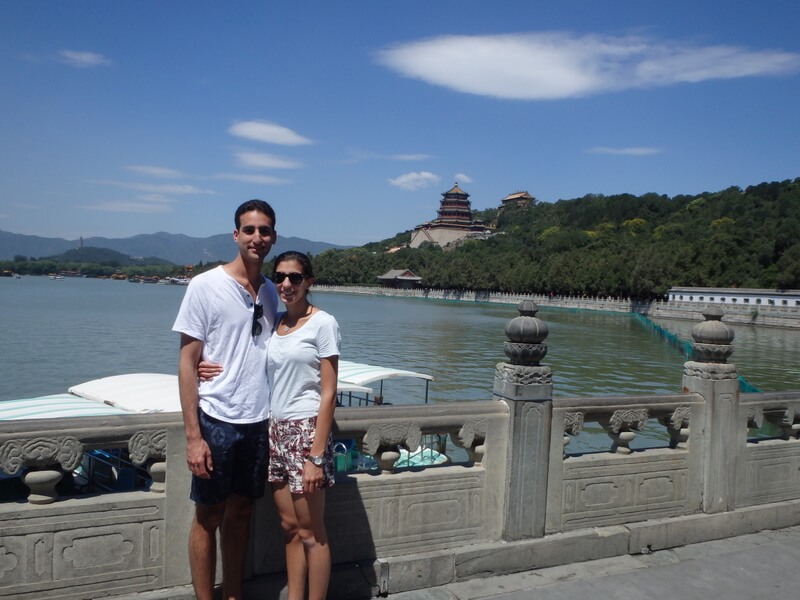
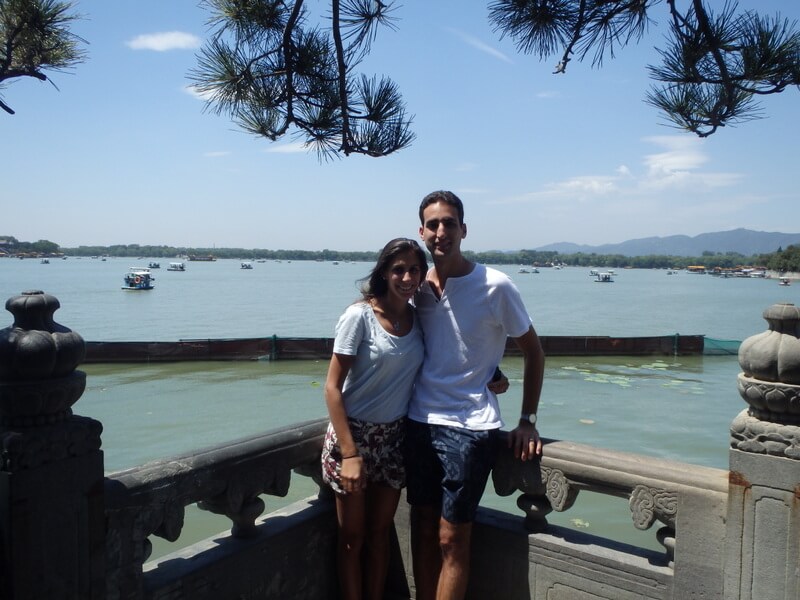
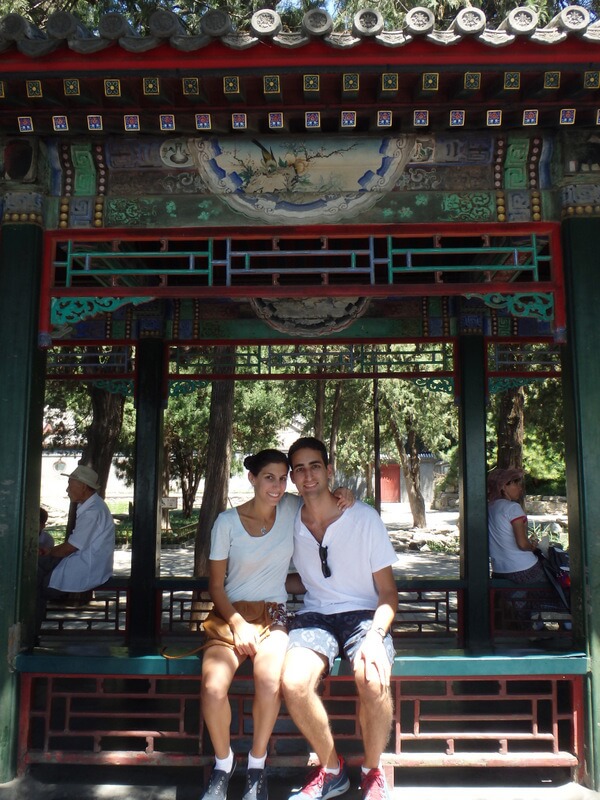
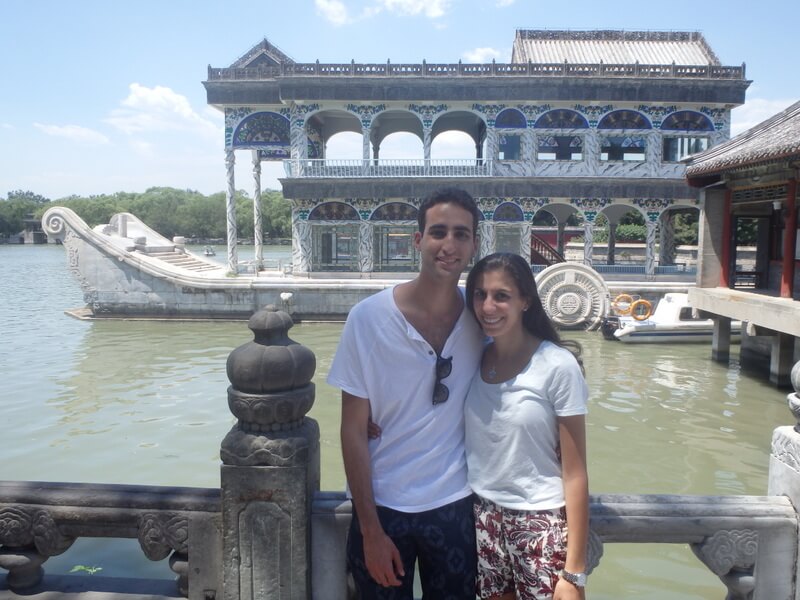
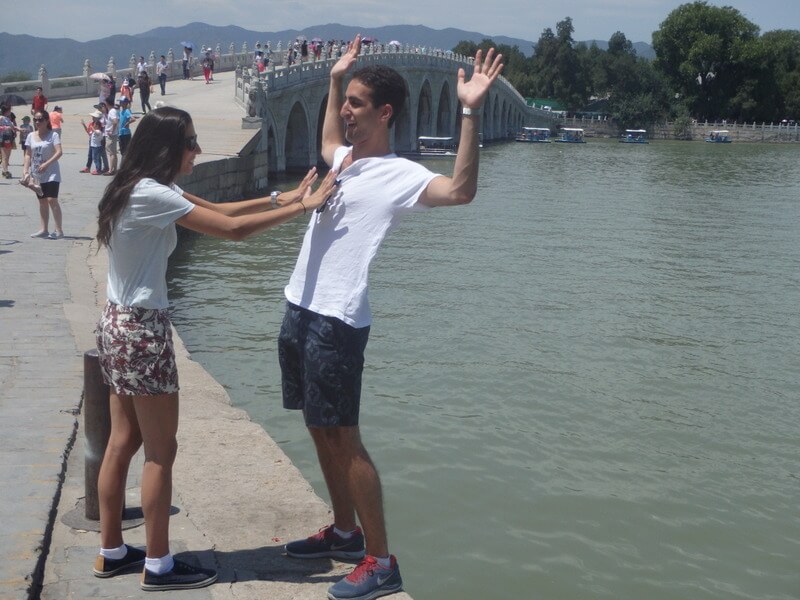
Summer Palace – This is where the royal dynasty vacationed in the summer. Built for the emperor’s mother, used as an exile for the empress’s nephew. It was really nice with exquisite gardens.
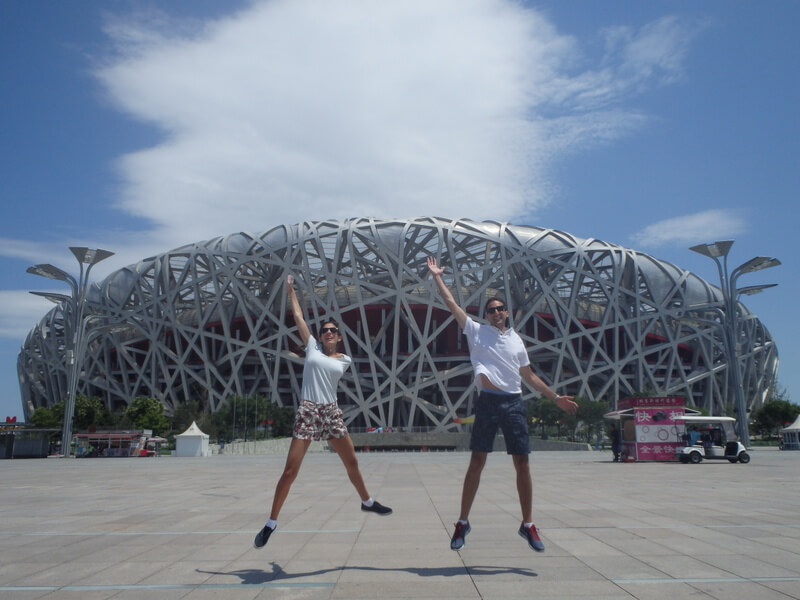
Olympic Park – Site of the 2008 Beijing Olympics – Bird’s nest and water cube.
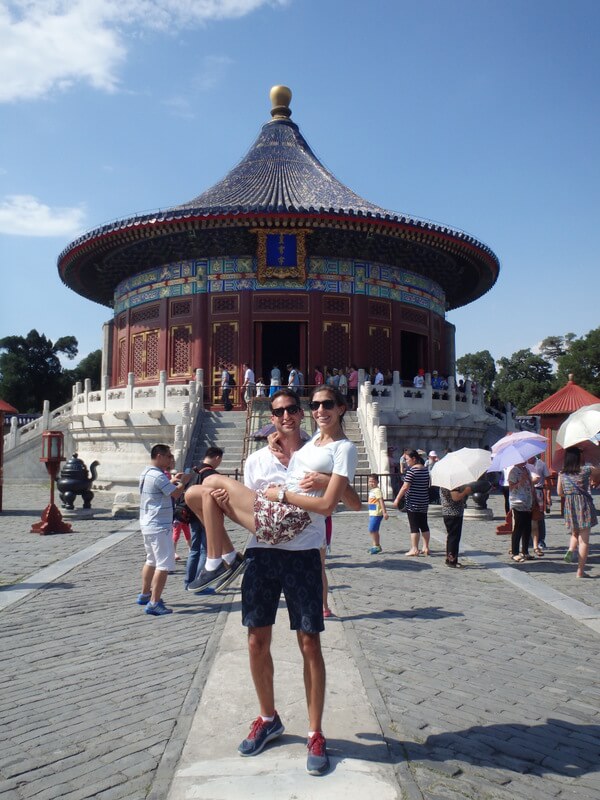
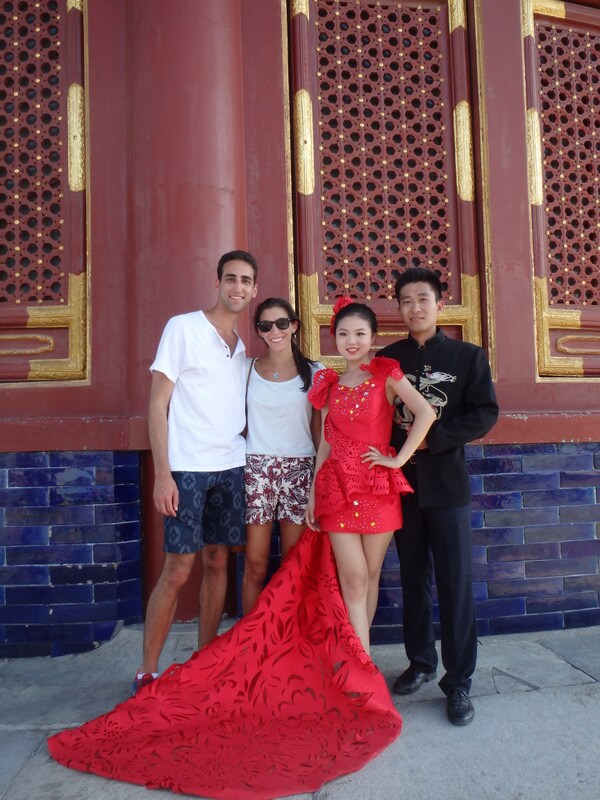
Temple of Heaven – Every summer and winter solstice, the emperor would come here to pray to the god of heaven. Important places in China had animals on the roof, with 9 animals being the most important. The color of the roof also symbolized the type of building it was. Hence the Temple of Heaven had a blue roof for god. We crashed photos of a Chinese couple getting married here 🙂
Pearl Market – Huge market with anything you can think of. You have to bargain for everything. Somehow, the vendors knew we were Jewish/Israeli and started quoting numbers to us in Hebrew. That freaked us out.
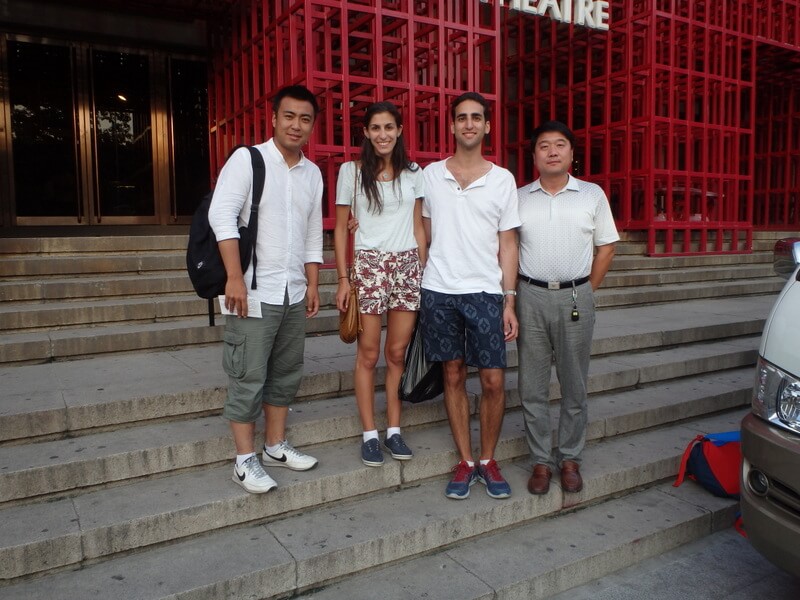
Kung Fu Show – We saw a show about how a child becomes a monk and a Kung Fu master.
Friday, July 11th
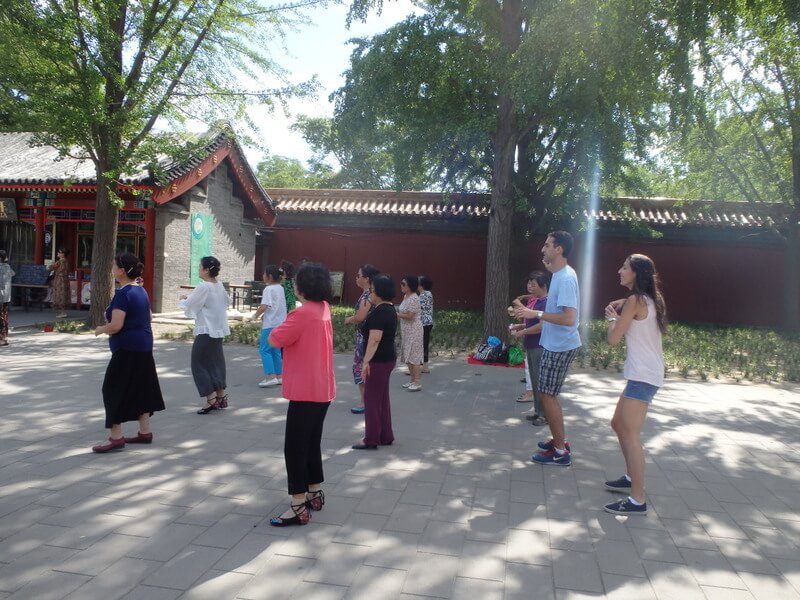
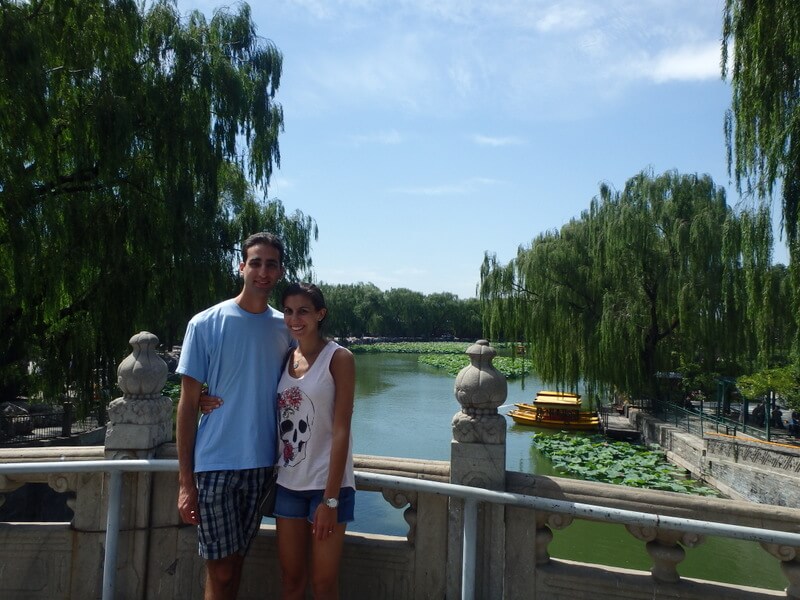
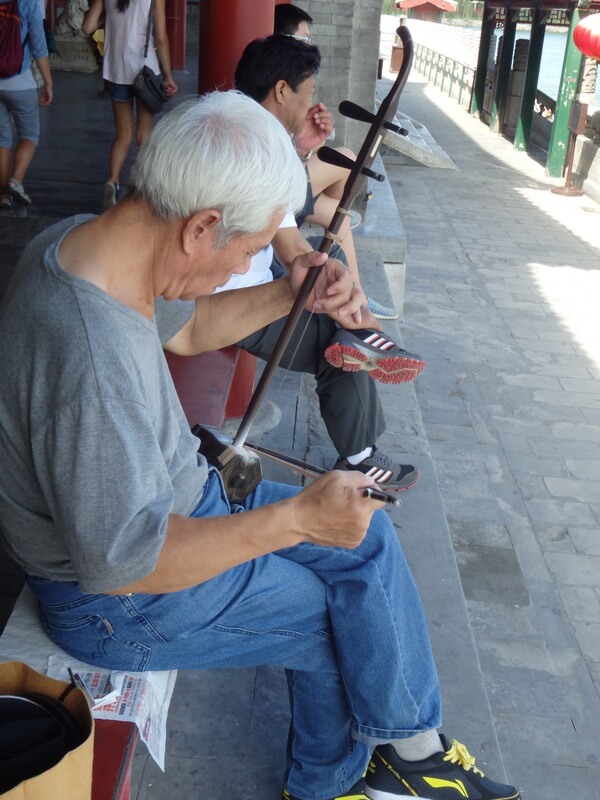
Behai Park – For the last day, Lucy was our new guide. We started the day at the Behai Park where old people come to exercise, dance, and hang out. We saw the temples and nice views. We climbed 300 steps to the temple, and participated in some of the exercises.
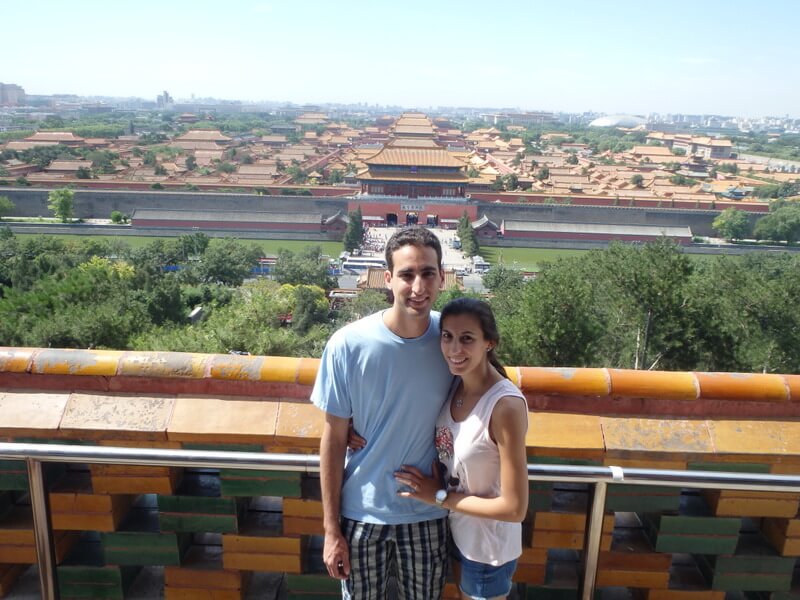
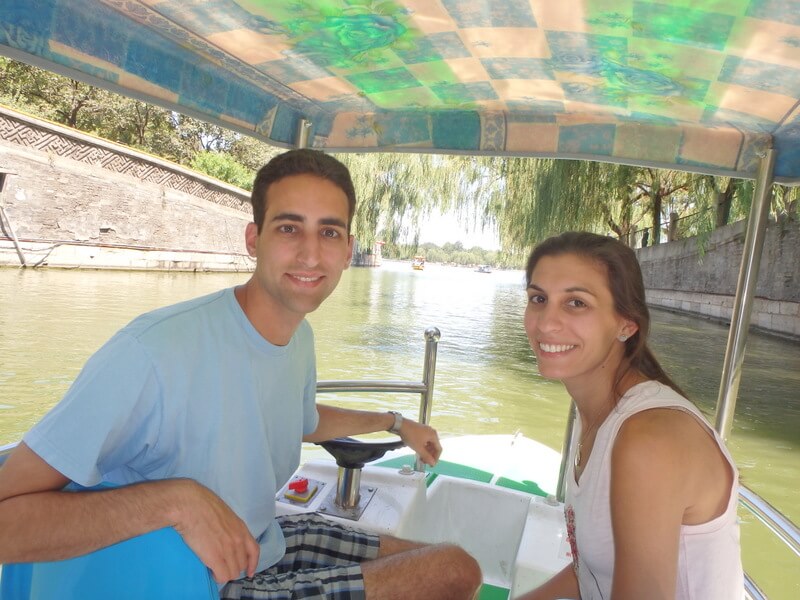
Jinshan Park – Another old people park with views overlooking the Forbidden City. We took a boat ride around the lake.
Beijing Capital Museum – After our guide left us, we explored the museum with the history of Beijing juxtaposed against the world. Interesting exhibit on Chinese life cycle events.
Silk Market – More shopping before Shabbat.
Saturday, July 12th
On Saturday, we took bikes from our hotel and rode around the Forbidden City. Rita was petrified that we would be arrested for entering the town the wrong way. In the afternoon we hung out by the indoor pool, which looked, sounded, and felt like a rainforest.
Xi’an
Sunday, July 13th
We took a 9am flight on China Eastern Airways to Xi’an, the old capital of China for 13 dynasties since 200 BCE. We were scared to fly a Chinese domestic airline, but despite a short delay, it was uneventful.
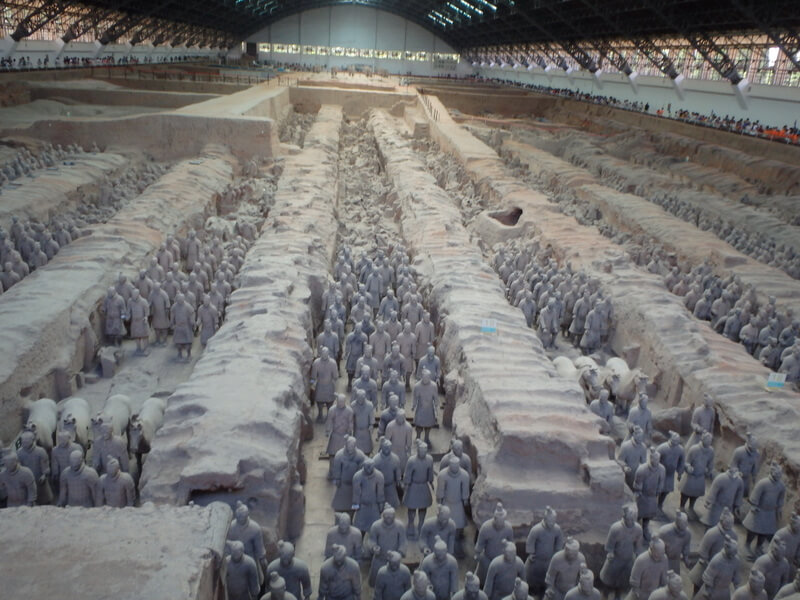
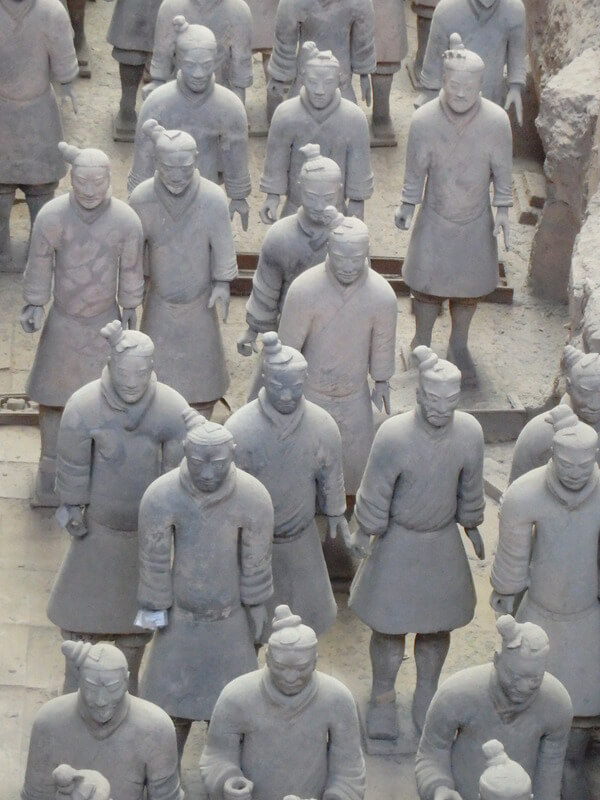
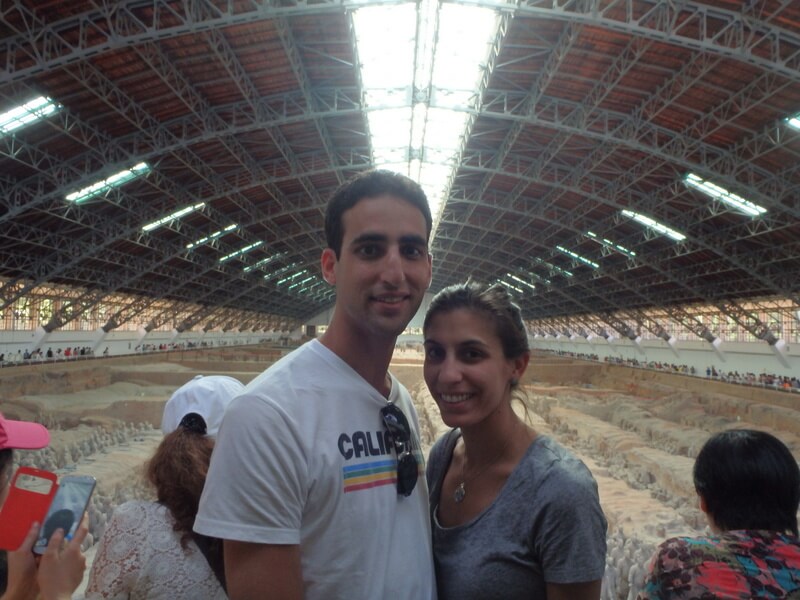
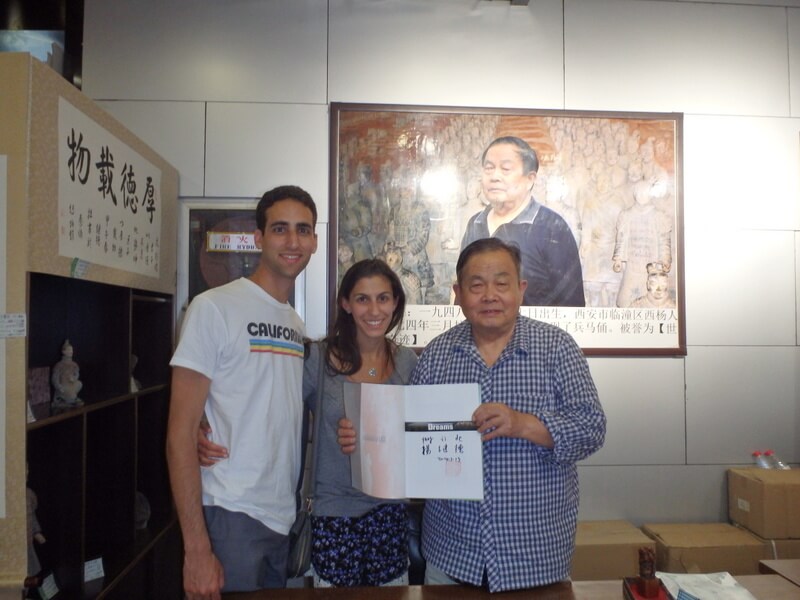
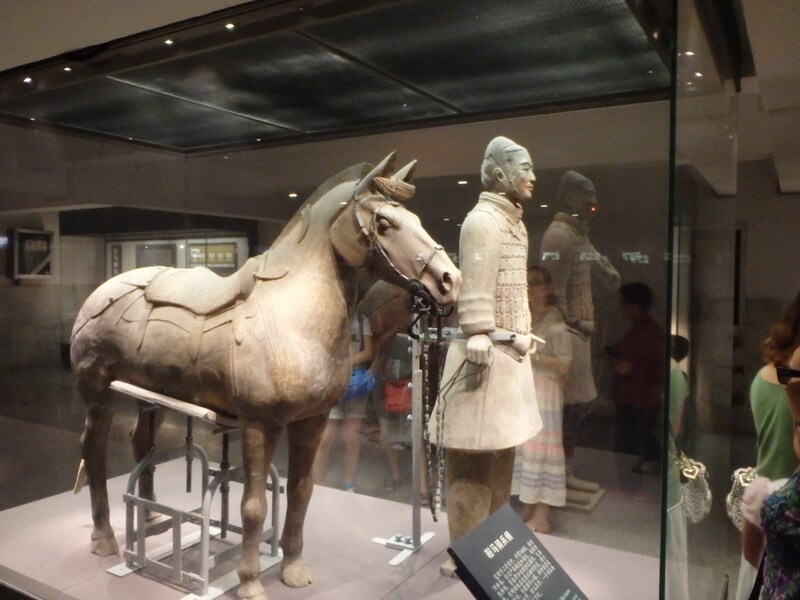
Emperor Qin’s Mausoleum / Terra Cotta Warriors – The Qin dynasty (250 BCE) was Imperial China’s first, but it lasted less than 30 years. Qin (Emperor Shi Huangdi) took over at the age of 22 and united several lands by the age of 39. He began construction on his tomb at the age of 13, and used 700k people to build an army out of terra cotta. Historians left it untouched mostly, 1) to preserve it, 2) because it’s laced in radioactive mercury to keep out vandals, and 3) to get you to come back. The warriors are not all the same, and are modeled after people from all over China. (They were killed once the statues were completed.) The Mausoleum was discovered by farmers who were digging for wells in the area in 1974. There are 3 pits to visit, with thousands of soldiers, horses and chariots. One of the farmers who discovered it was there signing autographs.
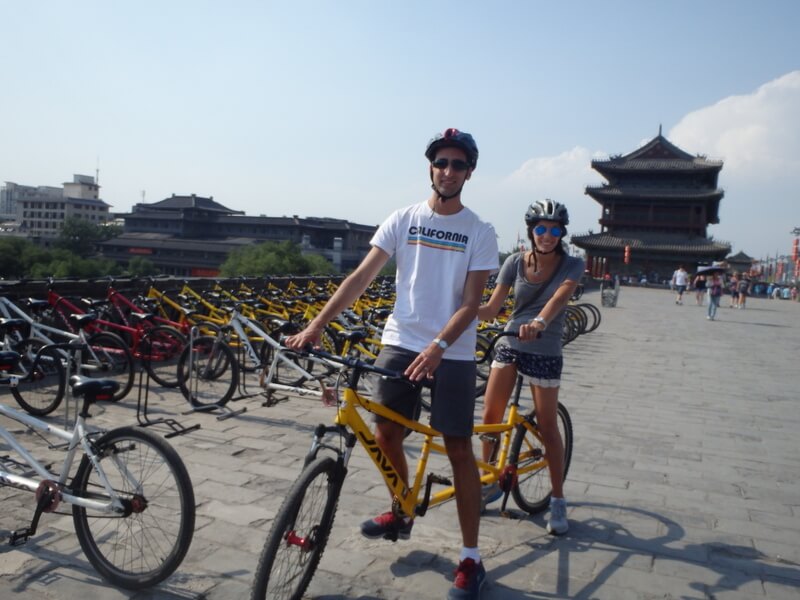
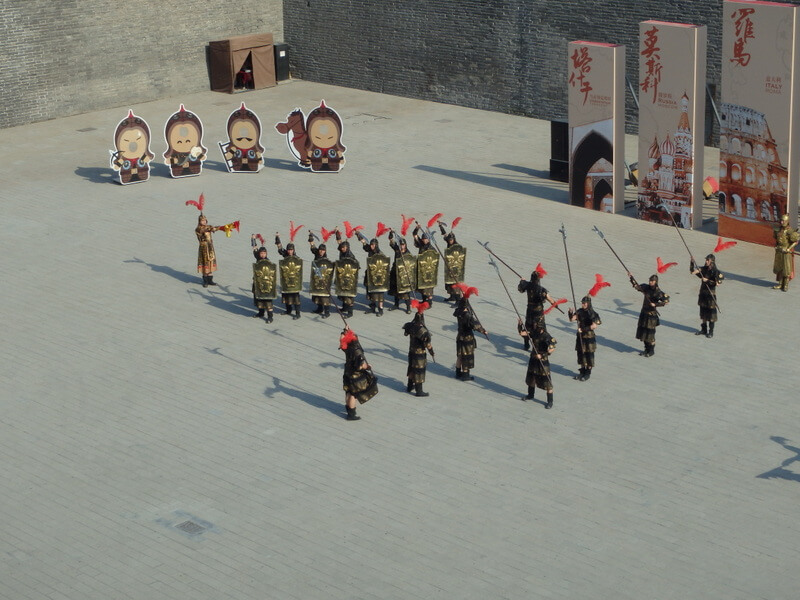
Xi’an City Wall – 14km wall built around the city of Xi’an during the Tang dynasty (7th century). The city has 4 main gates. We rode a tandem bike on top of the wall.
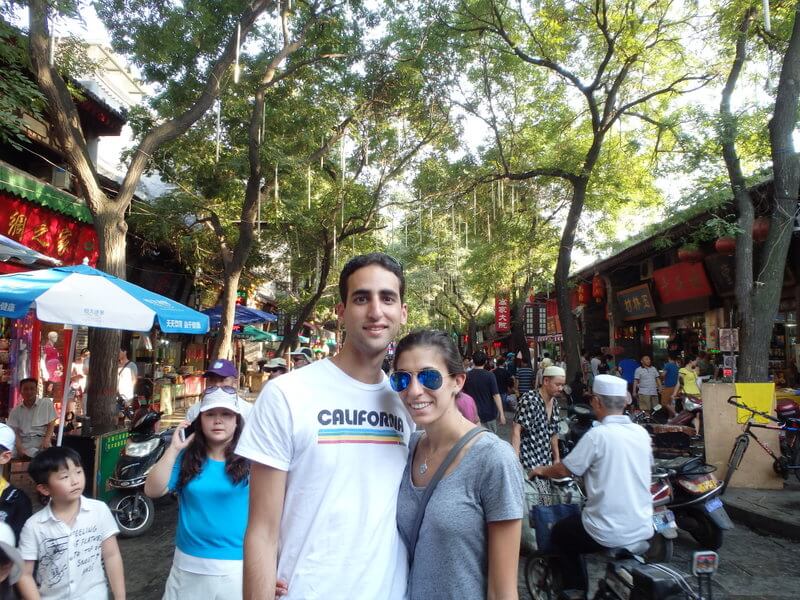
Muslim Street – Street vendors selling food, nuts, and toys.
Shanghai
Monday, July 14th
We flew into Shanghai the next morning and took the maglev train to the city (over 300 km/h!) We stayed in the Waldorf Astoria hotel which had heated toilet seat that opened up when you approached it.
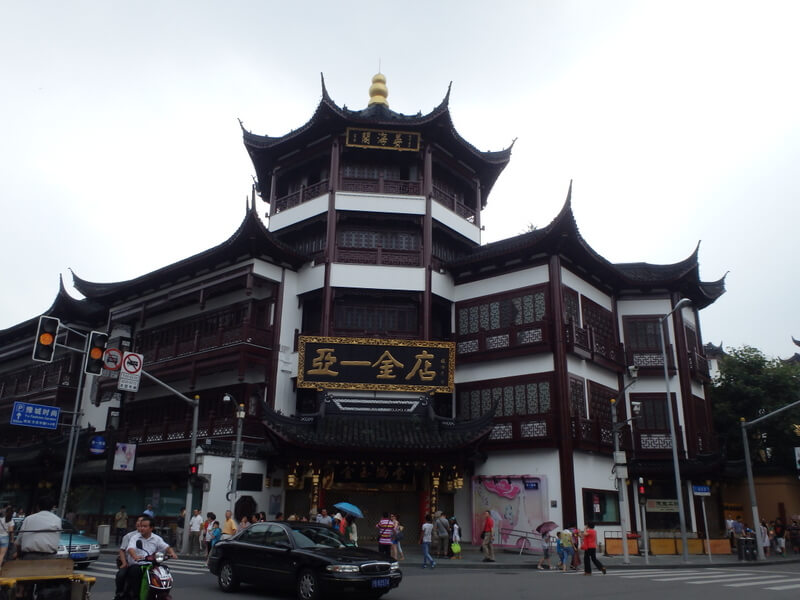
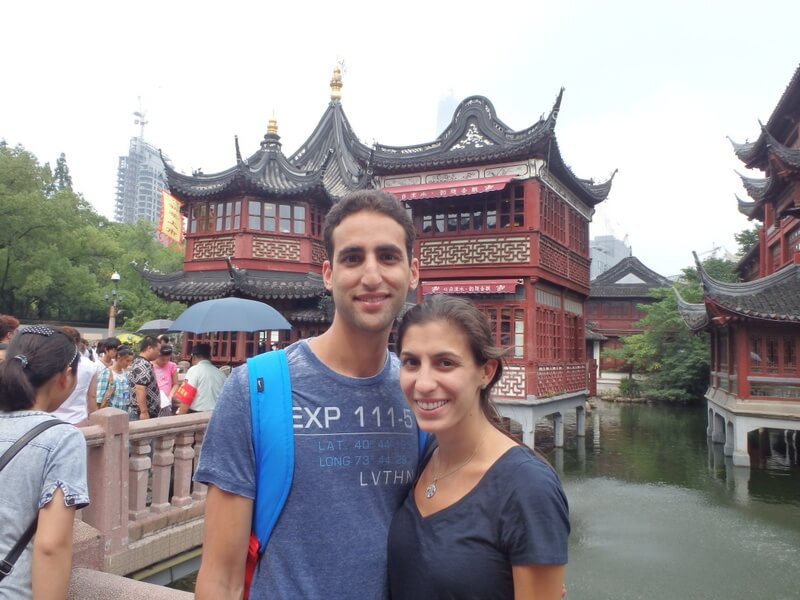
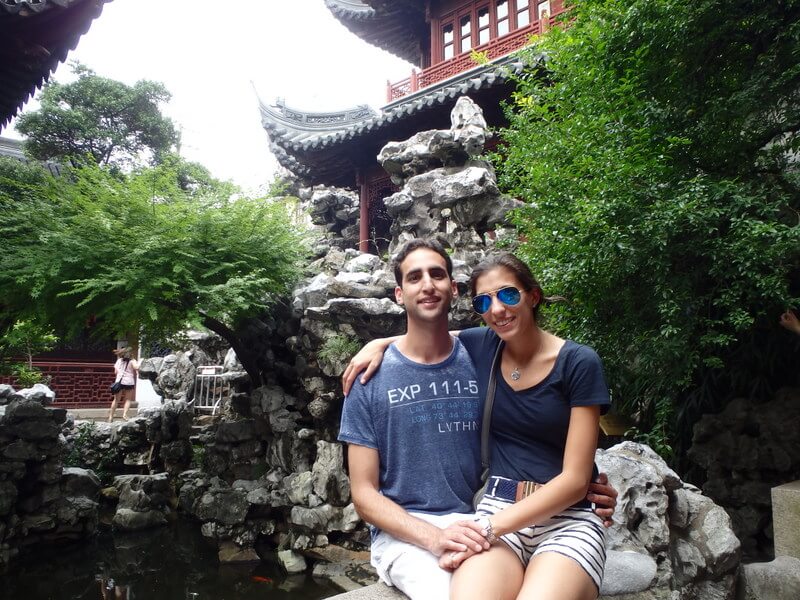
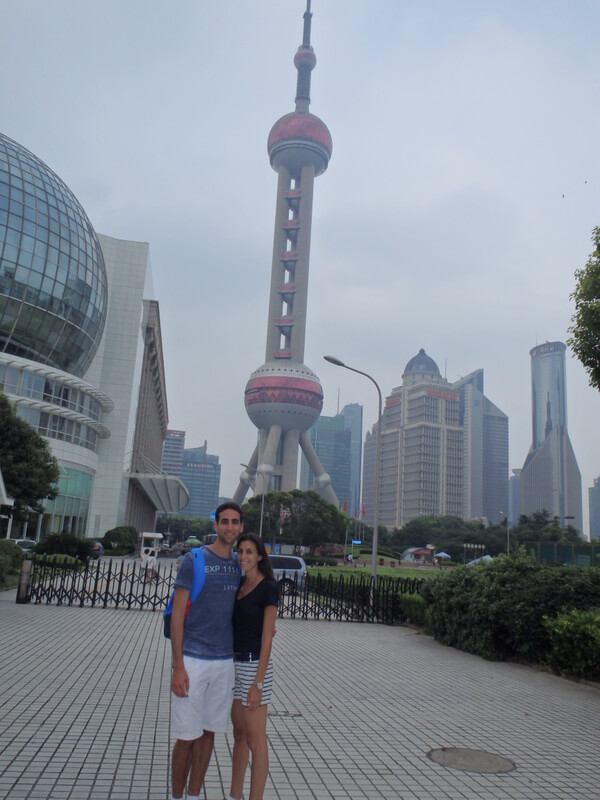
Yu Yuan Gardens – We walked to the gardens, had some vegetarian dim sum for lunch. Chinese gardens of streams and rocks. Shanghai wasn’t as nice of a city as Beijing.
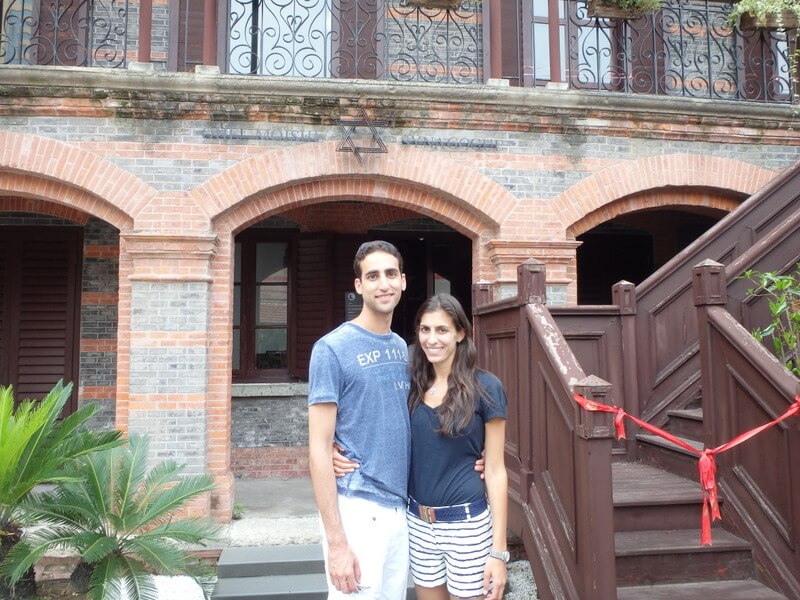
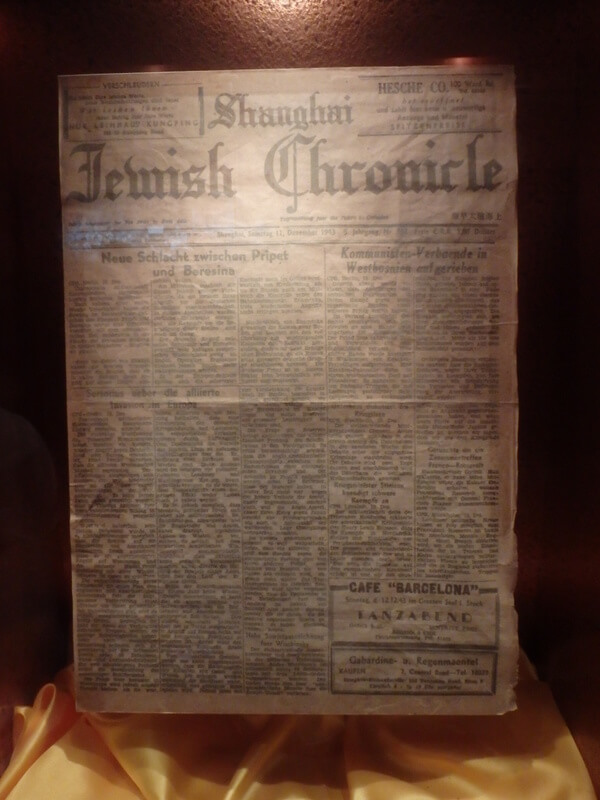
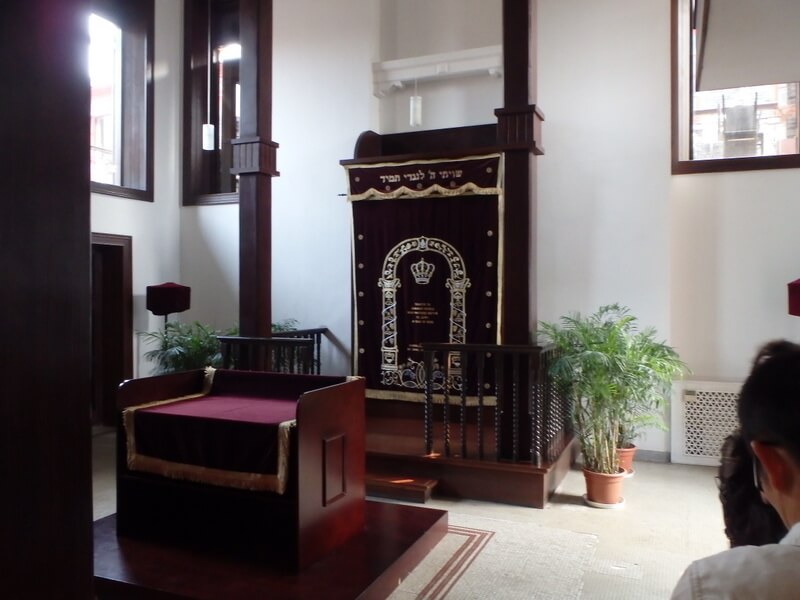
Shanghai Jewish Refugee Museum – Jewish history traces back to the 10th century in China where Bombay Jews were invited for business. Russian refugees came to China during the pogroms in the 1800’s and lastly, Jews escaping the holocaust in Germany. They were treated well, until the Japanese came in and turned the area into a ghetto. Interestingly, the shul faces west toward Jerusalem.
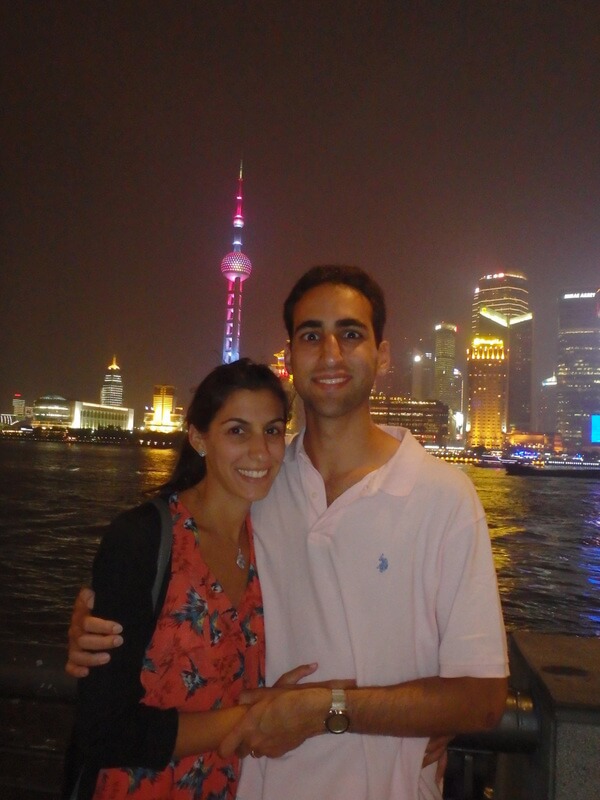
Bund Sightseeing Tunnel – Cablecar under the bund, and walked around the Bund district.
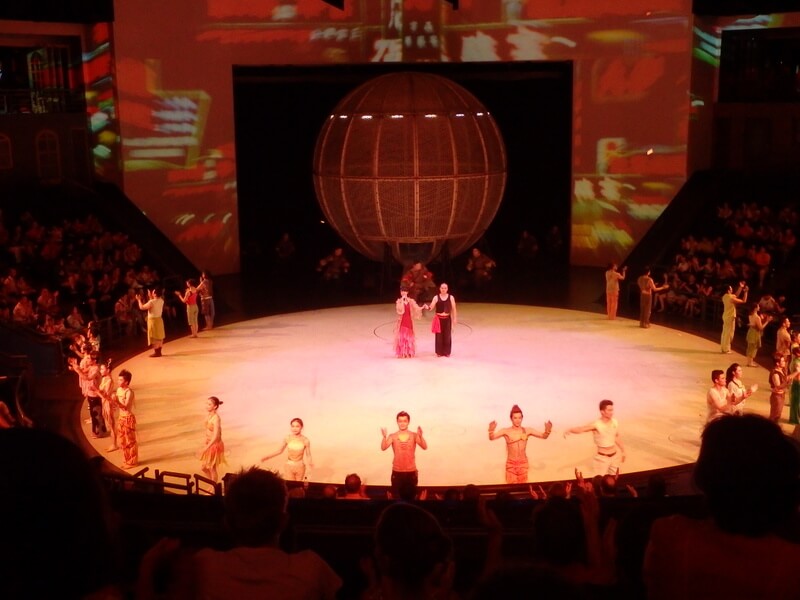
Shanghai ERA World Acrobatic Show – Acrobat show with people jumping through hoops, motorcycles in cages, juggling, etc.
Tokyo
Tuesday, July 15th
After our flight was delayed over 2 hours, most of this day was lost to travel. Some notes on Japan: In Japan, cars drive on the left side of the road. People everywhere very friendly and helpful, and polite/formal. Food was harder for us to come by in Japan. China had a more Buddhist culture, with many more readily available vegetarian and vegan only restaurants. Japan was much harder, as seafood and pork were much more staples. Even the bread had lard. We mostly survived on sushi. We did get a list of kosher fish in Japanese from the Jewish community website which we handed to every sushi restaurant we went to.
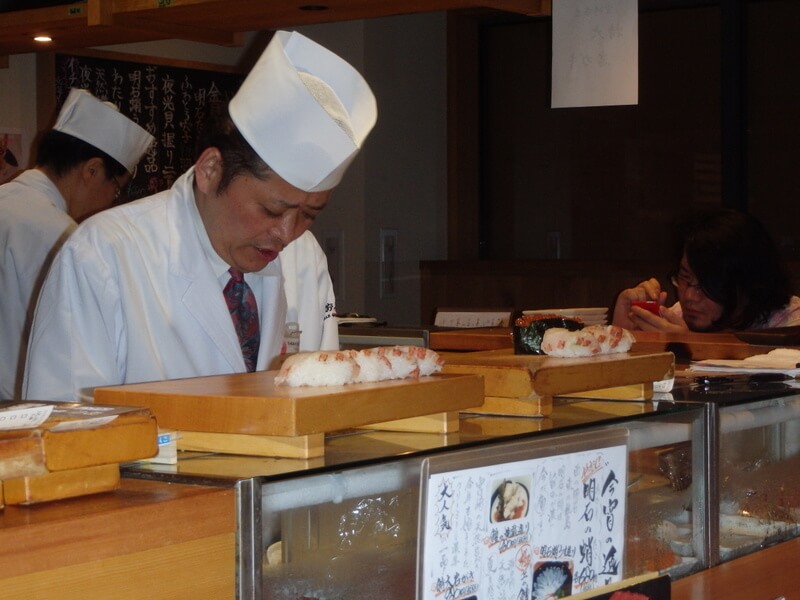
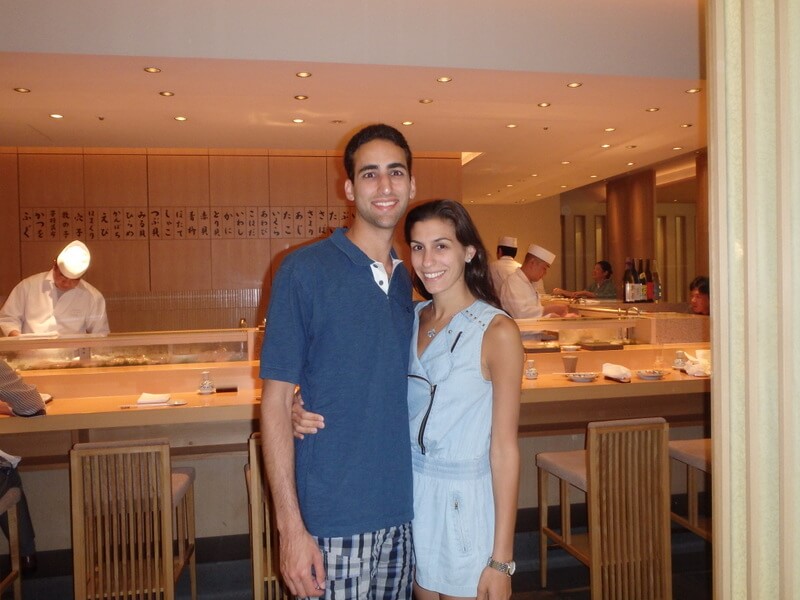
Rappongi – After checking into our hotel, we went to explore the Rappongi area. We had dinner at Itamae Sushi which was delicious. We were greeted with a “irasshaimase,” sat on the bar while the sushi chef prepared our food in front of us. Even the tomatoes with sea salt over a bed of ice were delicious.
Hakone
Wednesday, July 16th
As we were preparing our trip, we got the recommendation to do the Hakone loop, which was a loop near Mt. Fuji in the area outside Tokyo. We planned to stay at a Ryokan (traditional Japanese inn) with an Onsen (traditional Japanese hot springs spa). We checked out of our hotel, and had them store our luggage while we traveled with backpacks. We first took a train to a town called Gora.
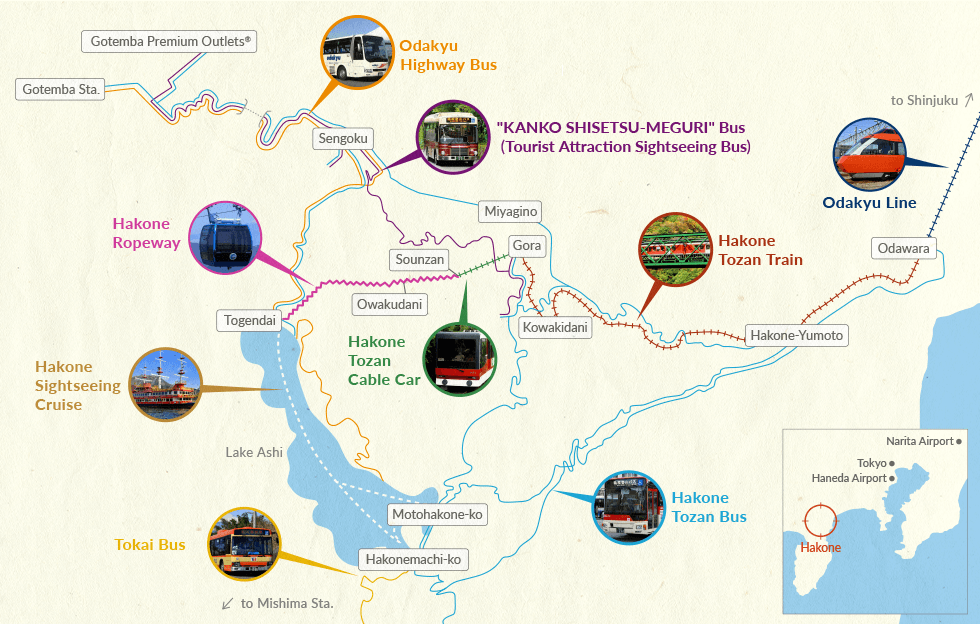
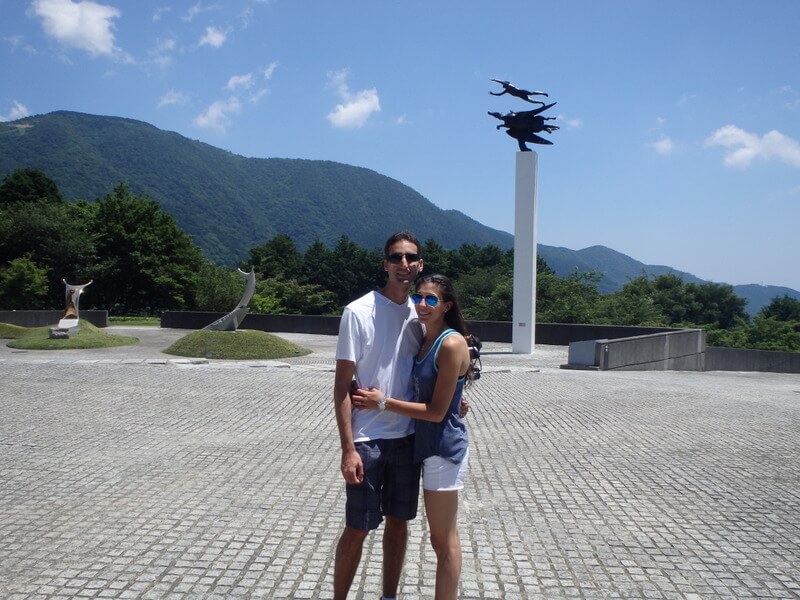
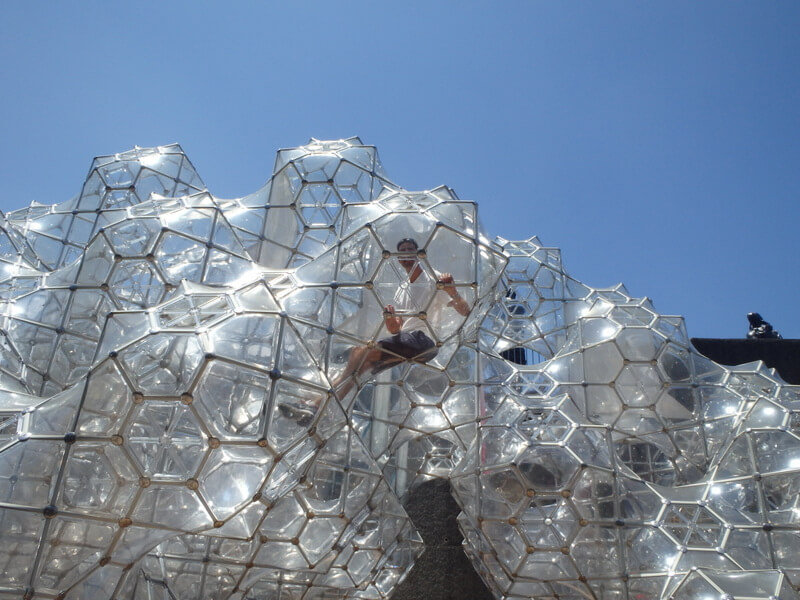
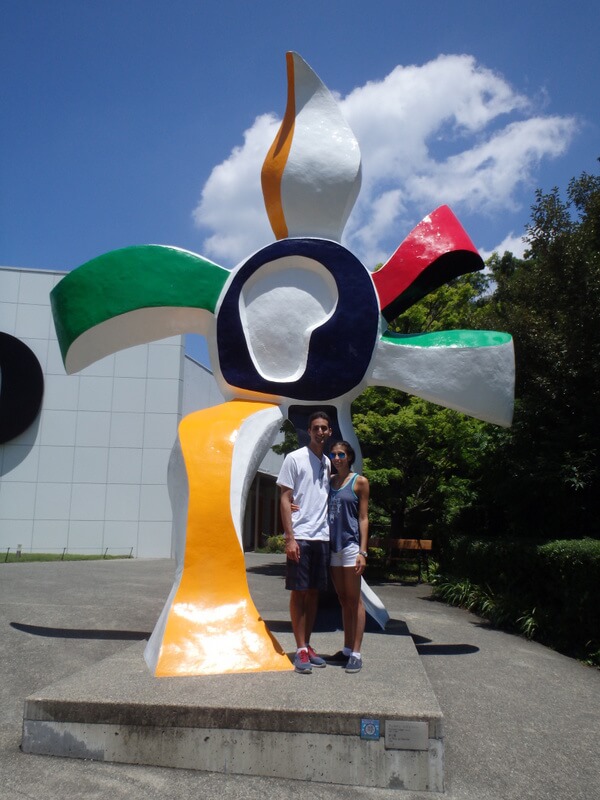
Hakone Open Air Museum – Outdoor sculpture museum which was really nice, they even had a footbath with rocks which was relaxing. The museum includes a large collection of Picasso sculptures.
We kept travelling, next on a cable car, and ropeway.
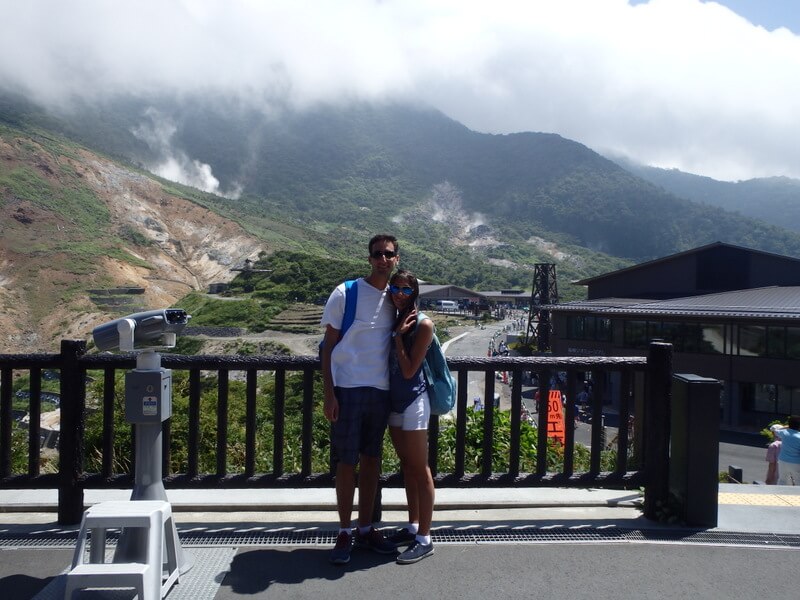
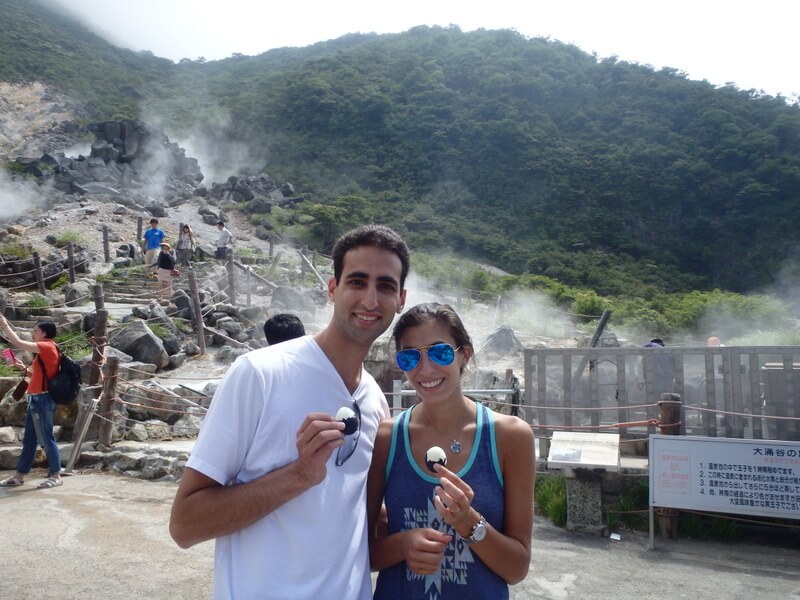
Owakudani – At the top of the ropeway, we walked by the volcano. The hot spring waters there have sulfur and they boil eggs in the water that turns the shell black. We ate 5 black eggs, which were extremely hot.
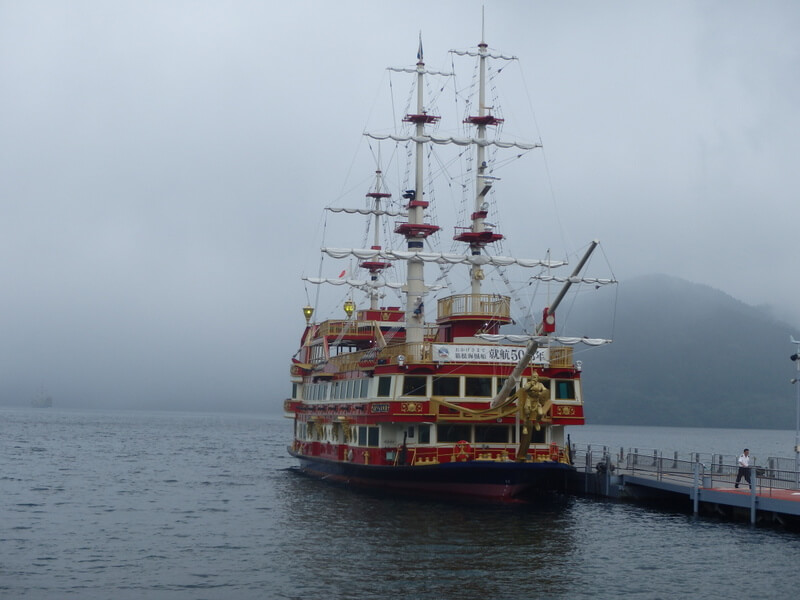
Hakone Sightseeing Cruise – Next step was a cruise on Lake Ashi. That side of the mountain was misty and foggy.
Hakone Checkpoint – Outdoor museum which was an Edo era checkpoint. Everything was in Japanese, so we didn’t really understand.
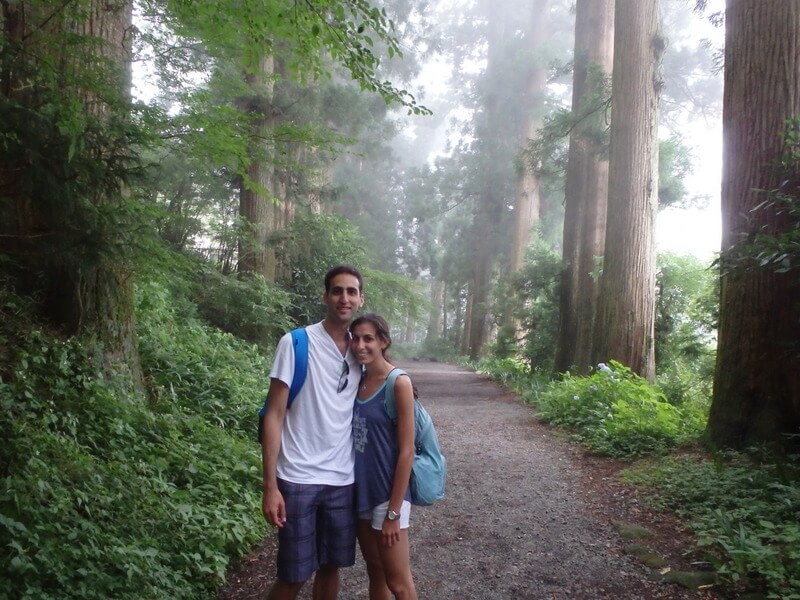
Ancient Cedar Ave – Nice walk through a muddy path surrounded by very tall trees.
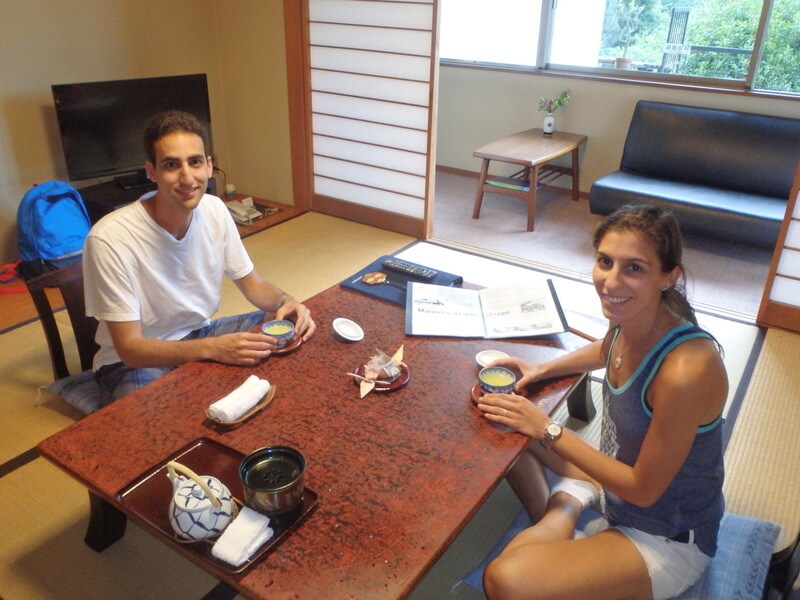
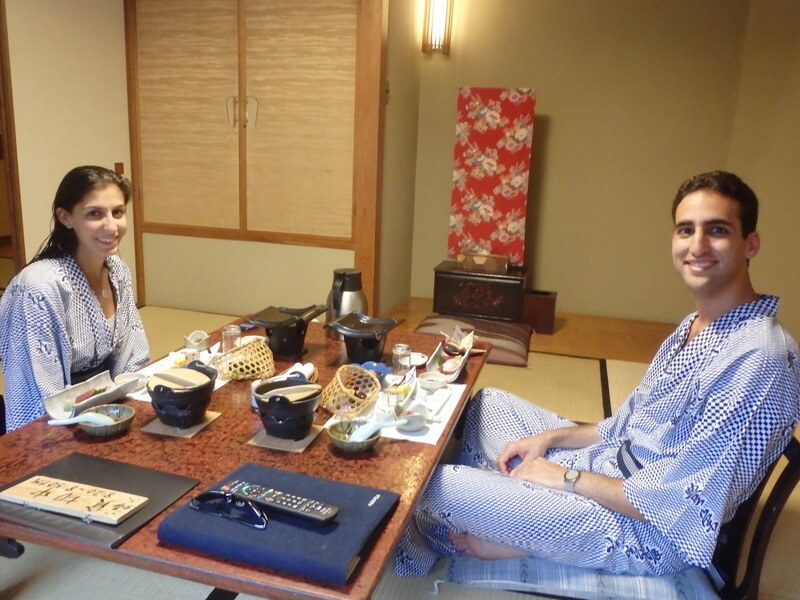
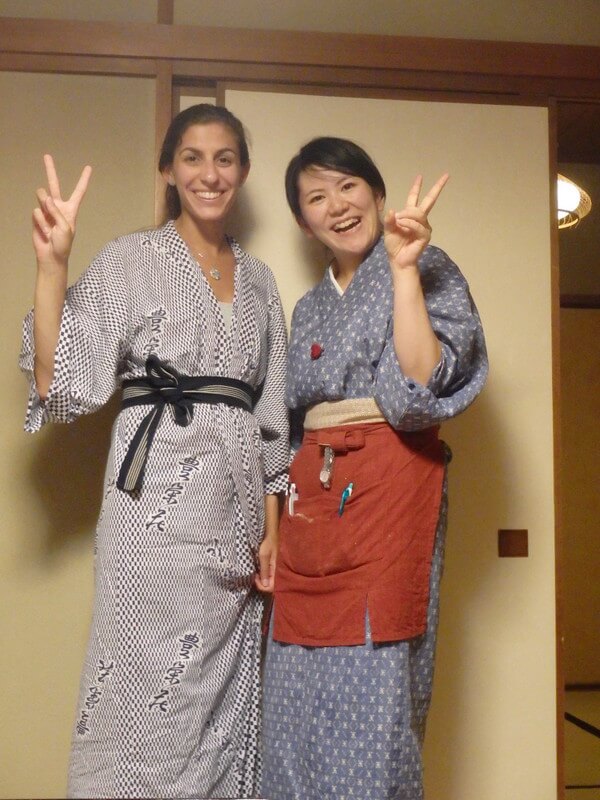
Heoiso Ryokan – That evening, we finally got to our Ryokan. It had a really zen atmosphere, and we took off our shoes and put on slippers to go inside. We had one section in the room for eating and sleeping. Before dinner, we took a dip in the onsen. After changing into robes in the room, we went separately into the men’s and women’s onsen. After washing off, we took a dip in the hot pools.
Dinner was served in our room. We arranged to have only kosher fish / vegetables. We sat on stools on the floor, in front of a low table. We were served fish, noodle soup, miso soup, rice, nuts, bamboo, mushrooms, and fish we grilled on a small flame ourselves.
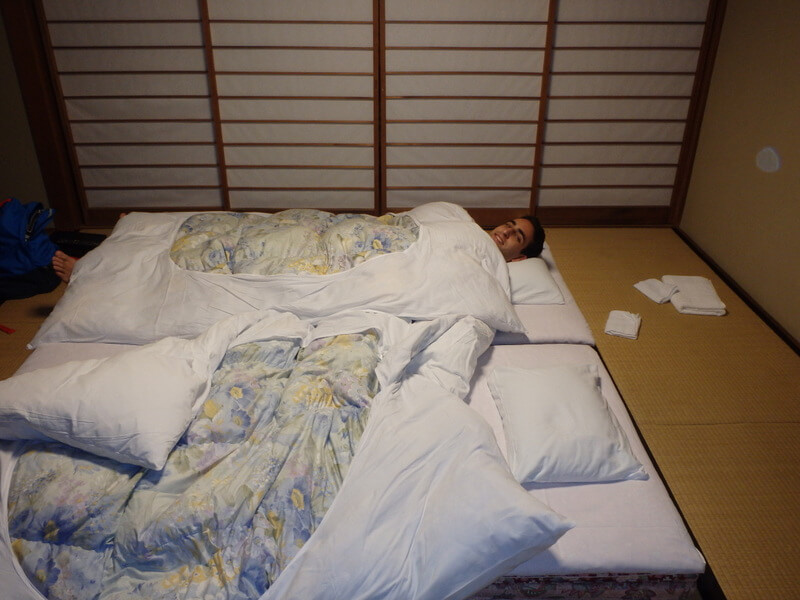
Once dinner was over, the hotel converted our room to beds on the floor for us. That night we booked a private onsen which was really relaxing and hot.
Tokyo
Thursday, July 17th
Before leaving the Ryokan, we went for a dip in the onsen and had a traditional Japanese breakfast in our room consisting of rice, miso soup, fish, fruit and tofu. We travelled back to Tokyo via bus, local train, and Shikansen bullet train.
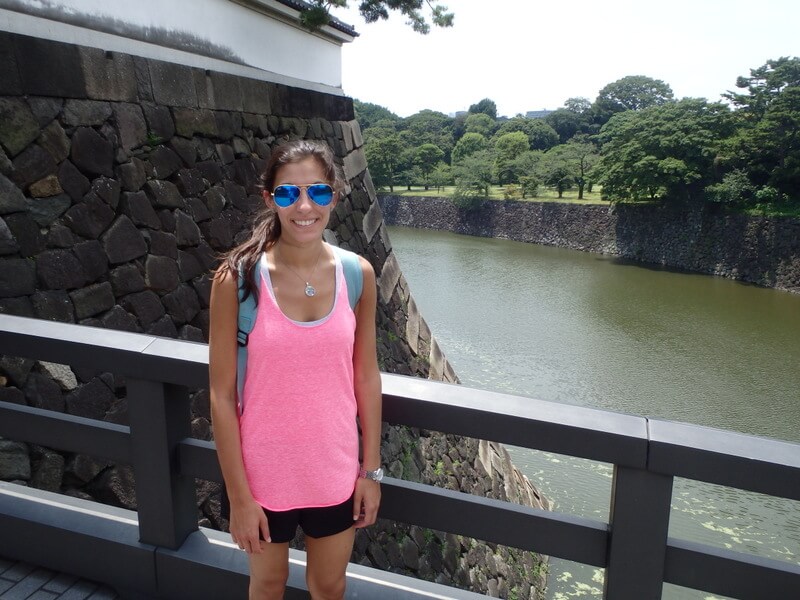
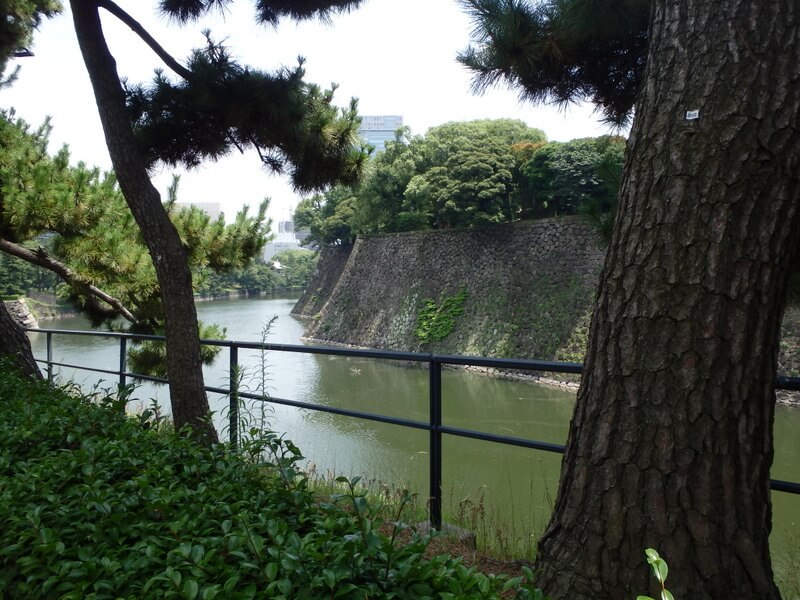
East Garden at Imperial Palace – Walked by the imperial palace and saw parts of the original gates and wall. Garden was really nice too.
After lunch at King Falafel, we met Kiyoko, our Tokyo Free Guide. This guide wasn’t too informative but it was awesome having a local showing us around.
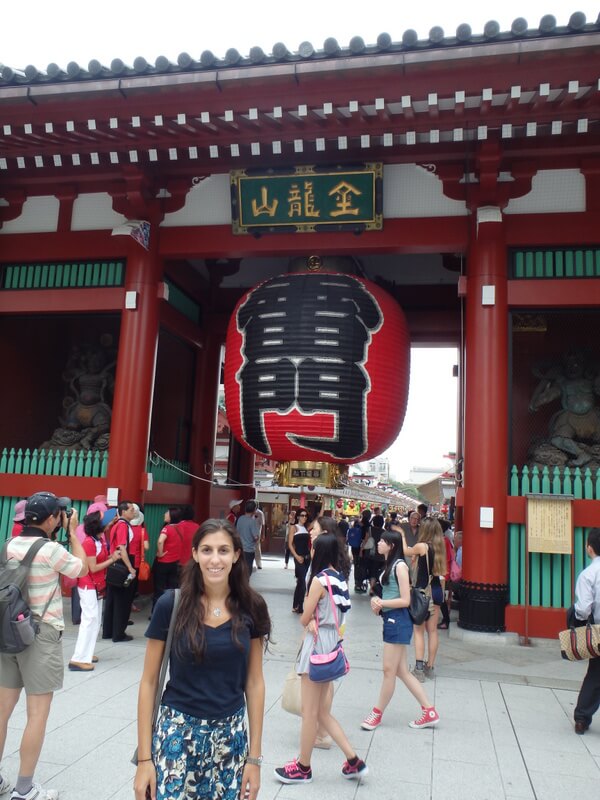
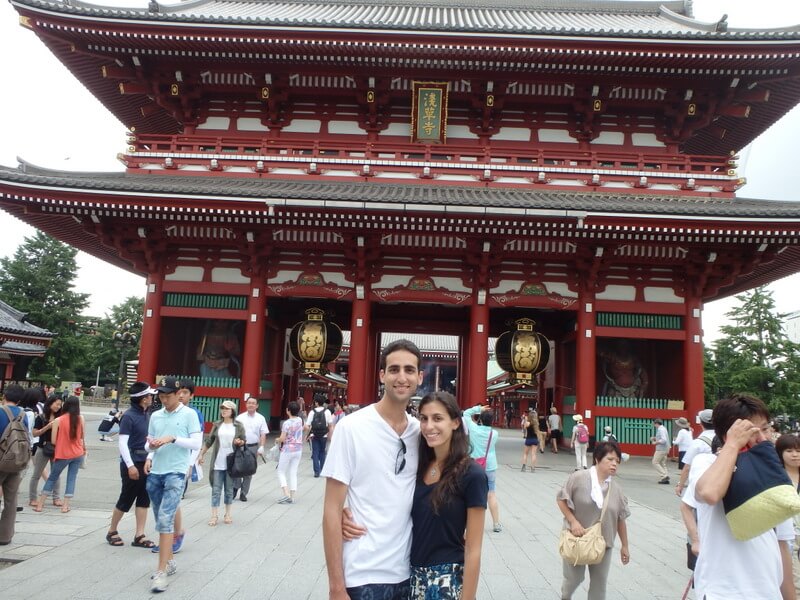
Sensoji Temple – Buddhist temple built in the 7th century. It’s the oldest in Japan. We saw people doing incense, believe it has a healing power. It was bombed in WWII, but rebuilt. There was a large market outside the temple as well.
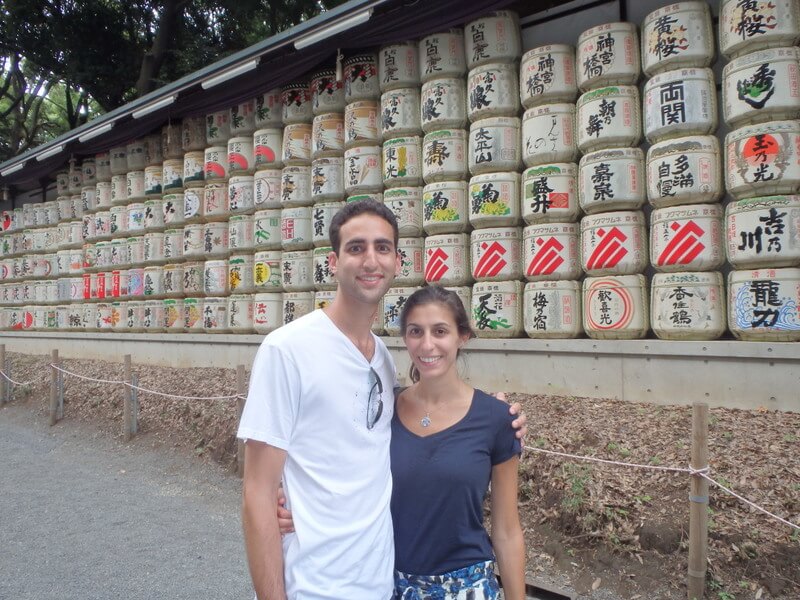
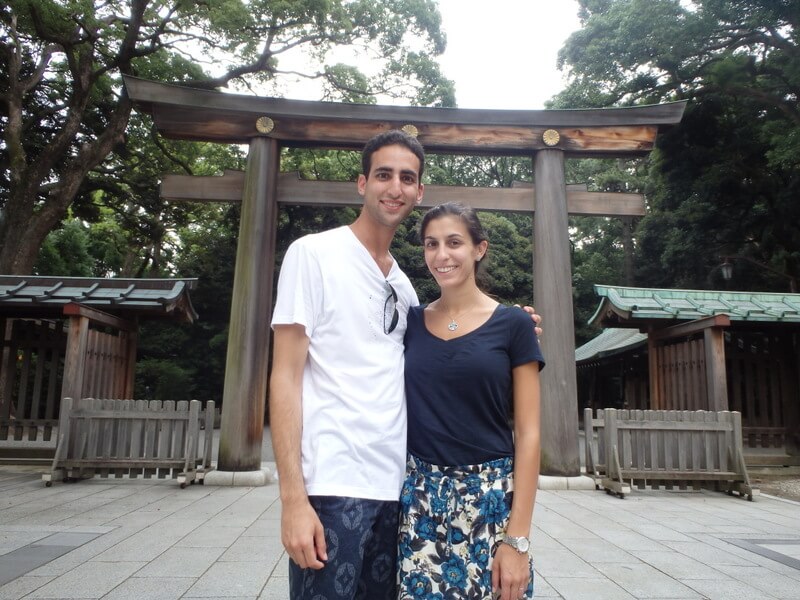
Meiji Shrine – Shinto shrine (Shintoism is dedication to nature). Dedicated to the spirits of the emperor Meiji and Empress Shoken. Meiji restoration was the period of modernization in Japan. Saki barrels are donated each year in honor of the emperor. Praying ritual: Wash hands, put coins in the box, bow twice, clap twice, bow again, ring bell. They also put written prayers in the wall.
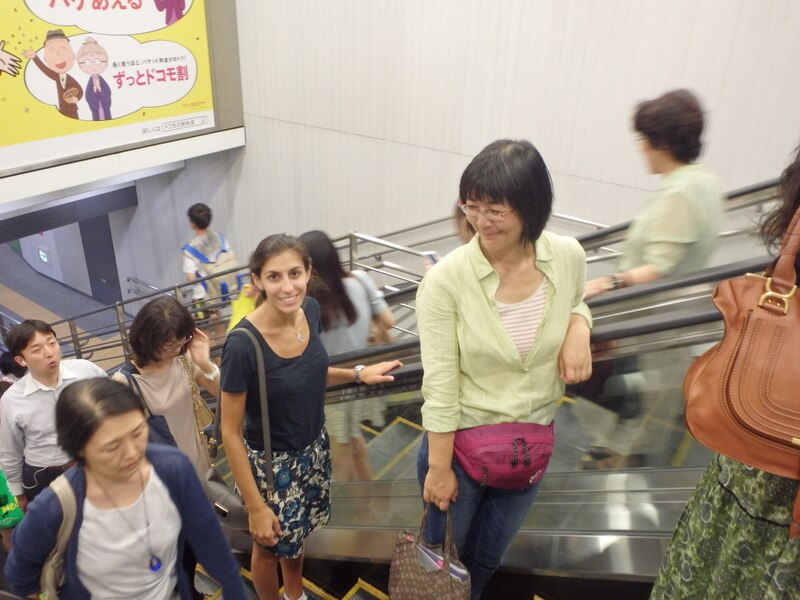
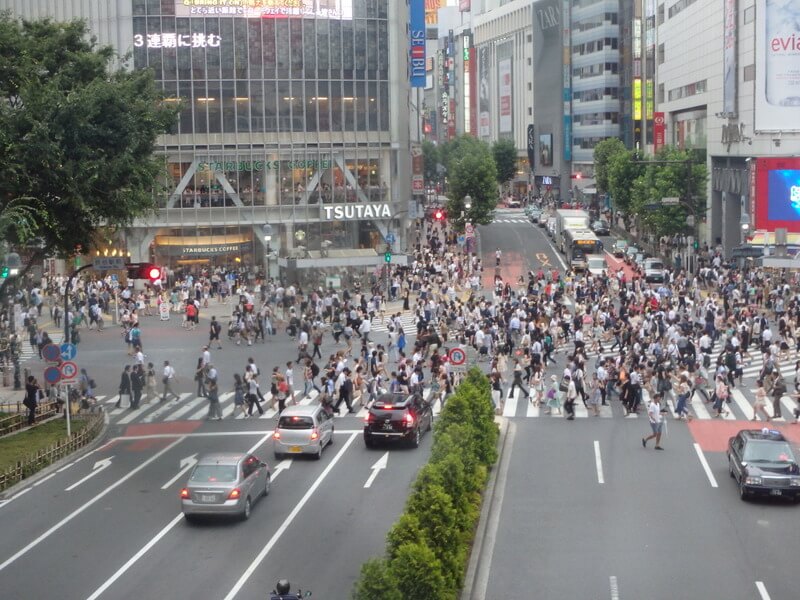
Shibuya Crossing – Huge crossing of many streets in Tokyo. (We took the Tokyo subway around town all day)
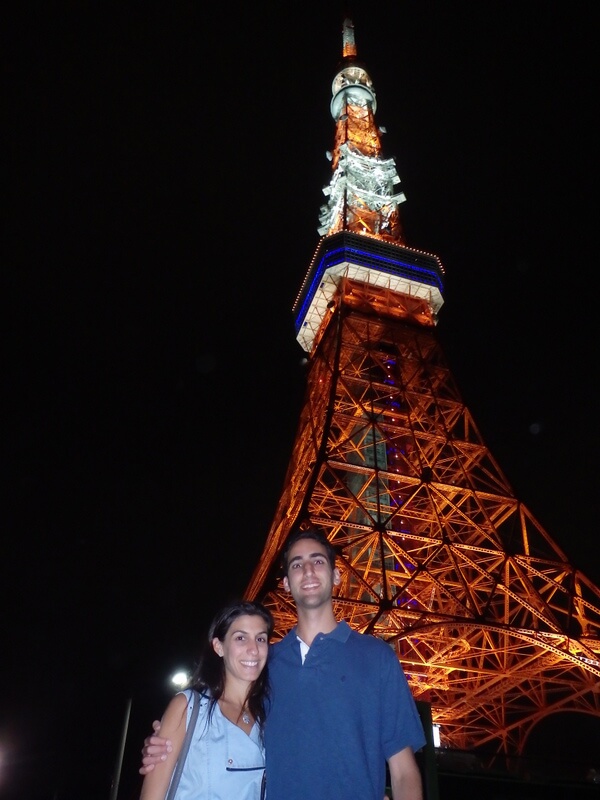
Tokyo Tower – That night, we had dinner at Jin Tsukiji, and visited the Tokyo Tower (replica of Eifel Tower) to see the views of the city.
Friday, July 18th
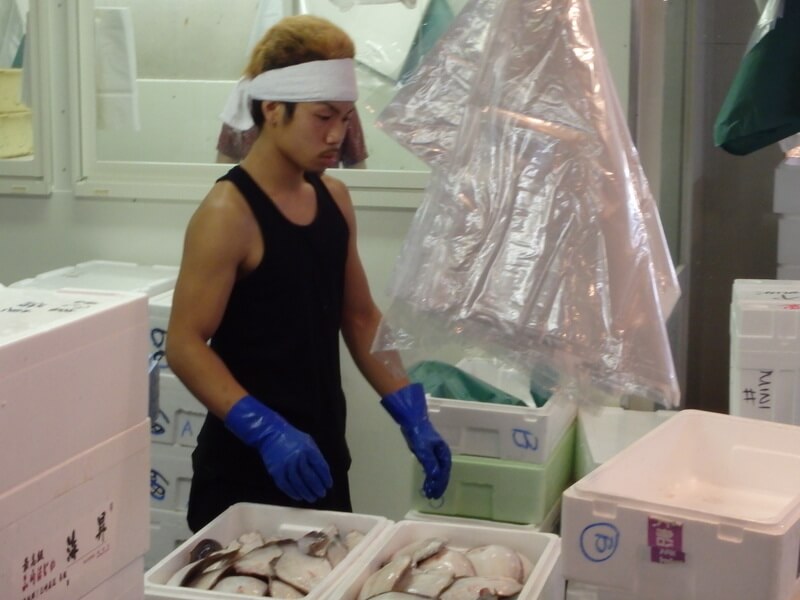
Tsukiji Fish Market – This fish market processes most of the fish consumed around the world. Although we couldn’t make the Tuna auction at 4am, we did explore the market later in the morning, where all the restaurants came to buy their fish for the day. There was octopus, eel, whale, tuna, snapper, salmon, squid and dried fish. We had sushi for breakfast and visited a Shinto shrine outside the market.
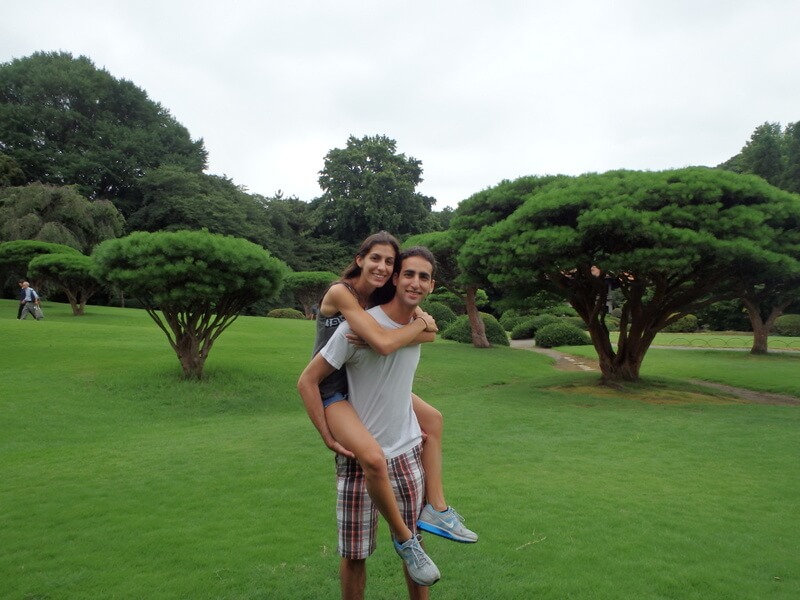
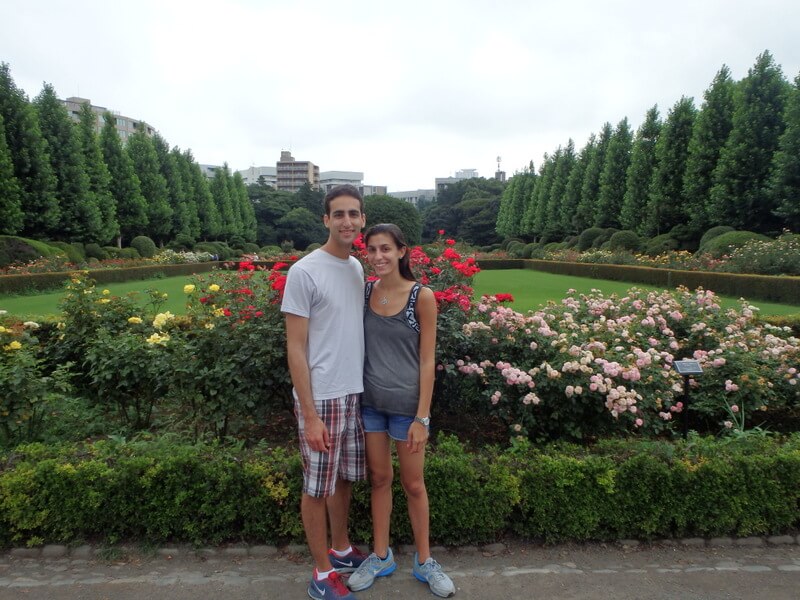
Shinjuku Gyuen National Park – Garden with both Japanese and French gardens. Skipped the tea ceremony, but we got green tea shaved ice and sweat bean candy.
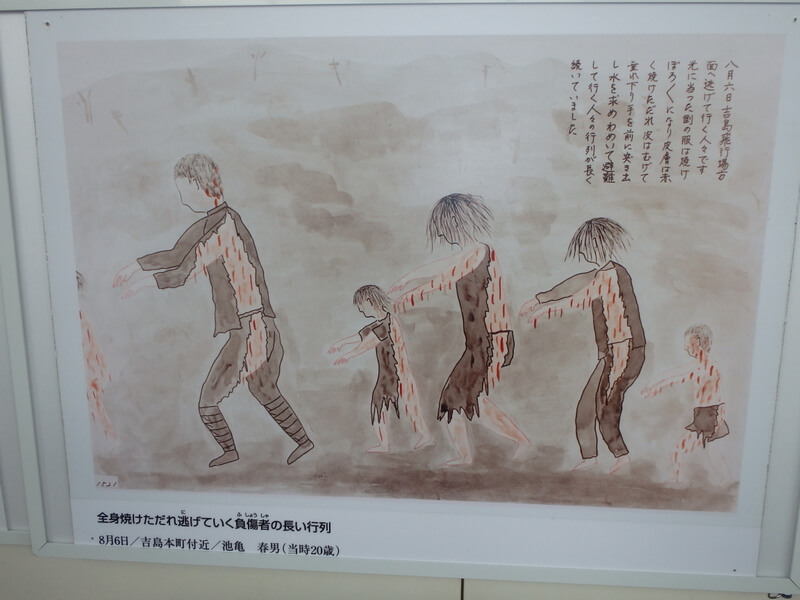
Tokyo Government Offices – We found an exhibit on the atomic bomb in a government building which was really interesting to see the Japanese perspective. Showed horrors of the bomb and explained the US dropped it to avoid Russian involvement in the Pacific arena. Hibakusha is the name given to those who survived the atomic bomb attack, and some of them were at the exhibit.
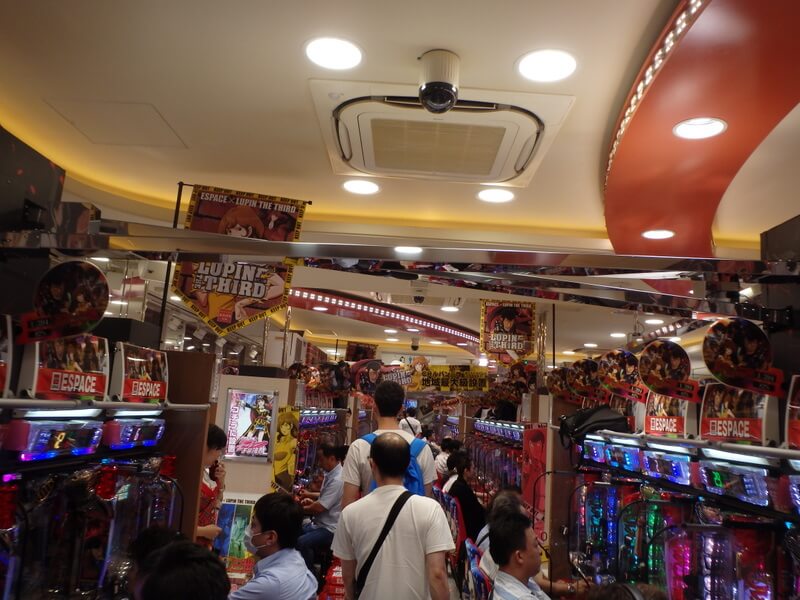
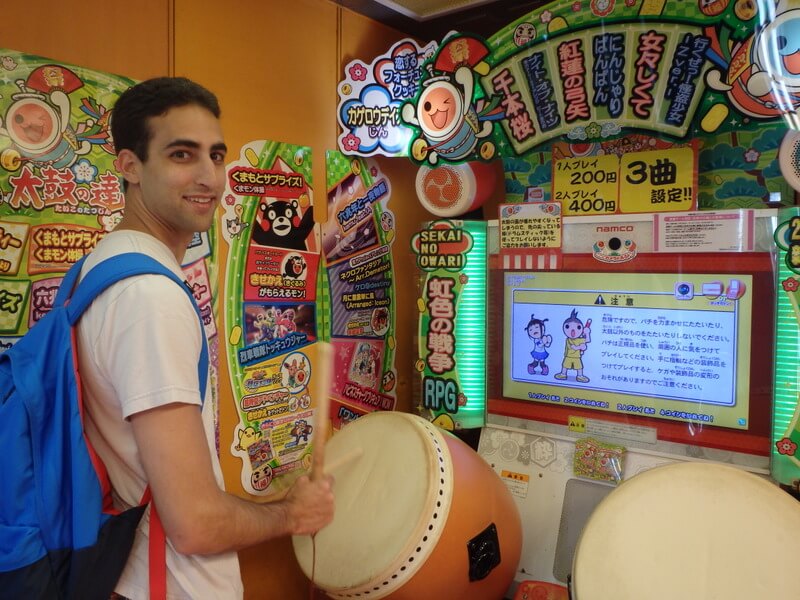
Akihabara – Electronic Town, section of Tokyo with anime, video games etc. There were shops with video games, and arcades everywhere.
Saturday, July 19th
Pretty much spent the day by the hotel. We tried sitting by the hotel pool, but the weather didn’t comply. That night, we walked around town, had sushi for dinner and saw a giant Godzilla.
Kyoto
Sunday, July 20th
After taking the Shikansen to Kyoto, we checked into our hotel (it was in the train station which was very convenient).
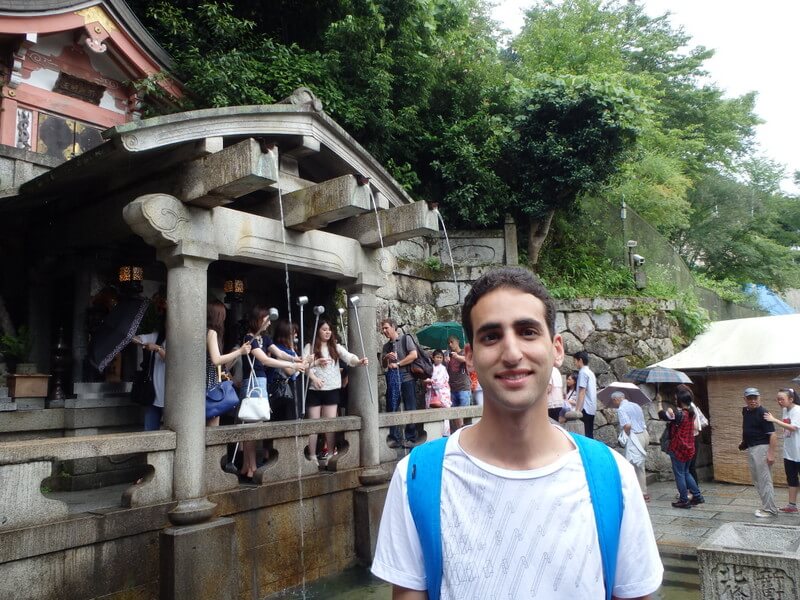
Kyomizu Dera – Buddhist temple built around waterfall and streams. It rained while we were there.
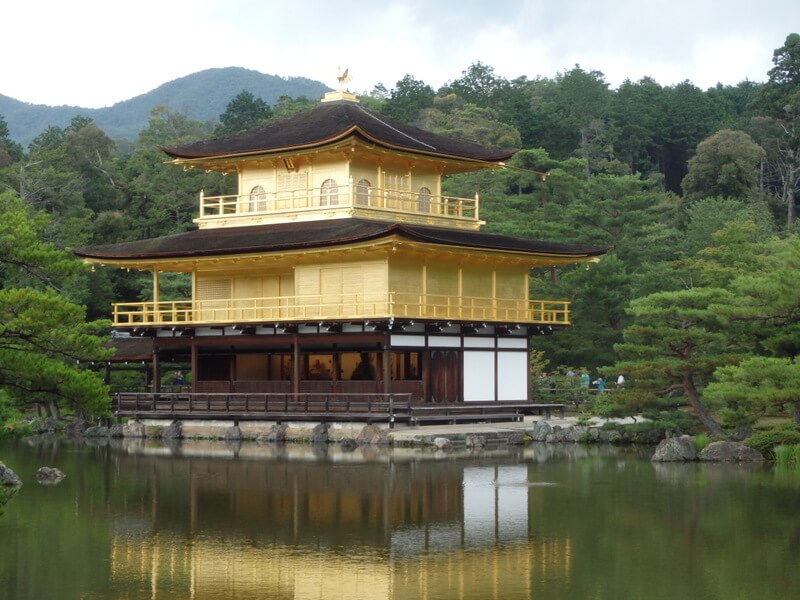
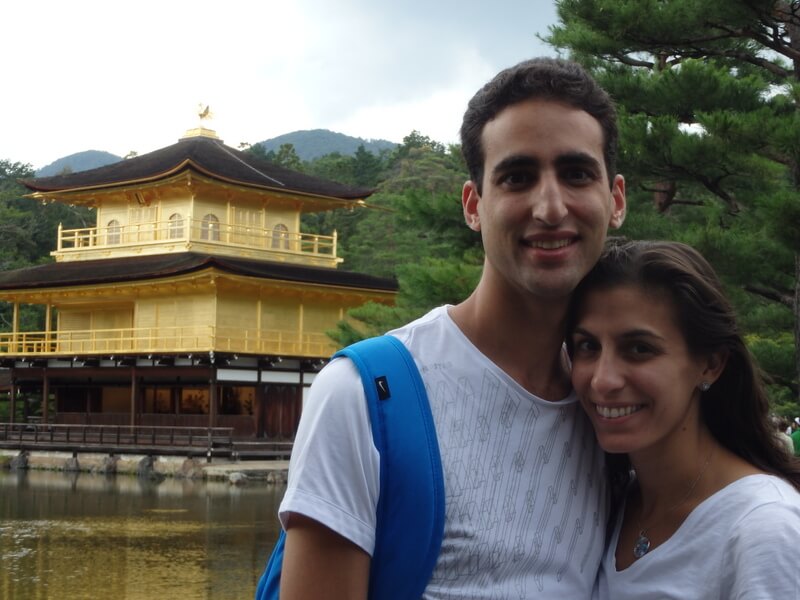
Ginkakuji – Golden Pavillion – building covered in gold. It was in the middle of a lake and really nice.
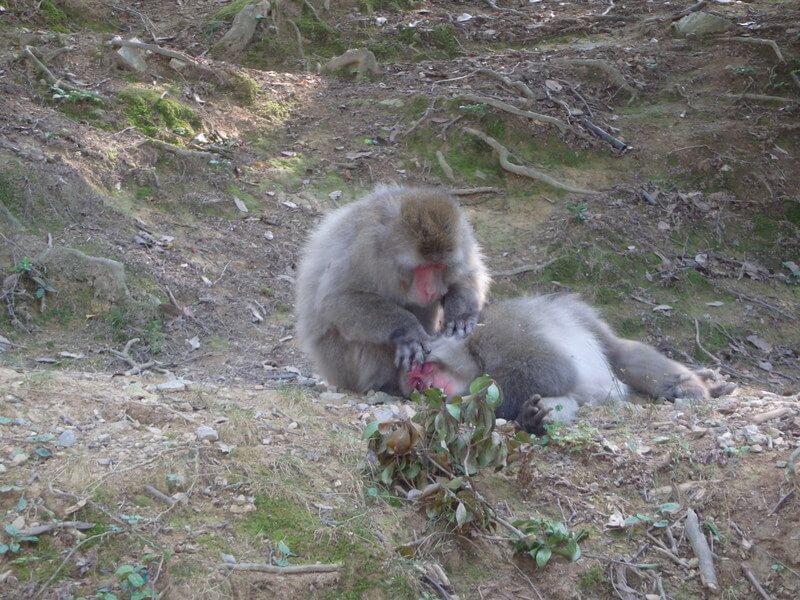
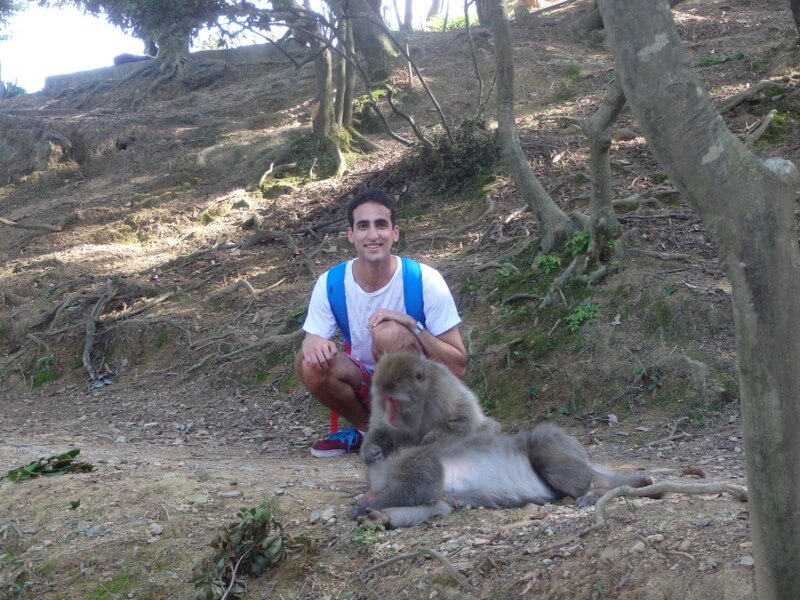
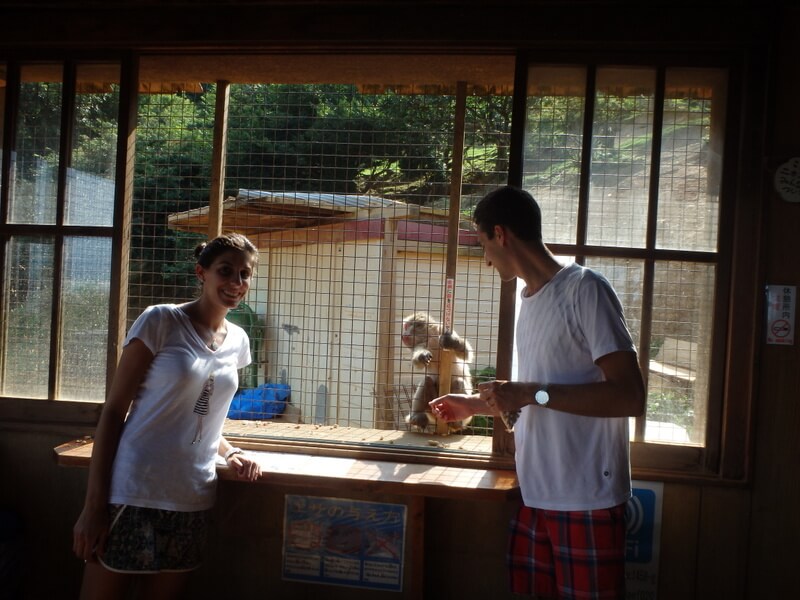
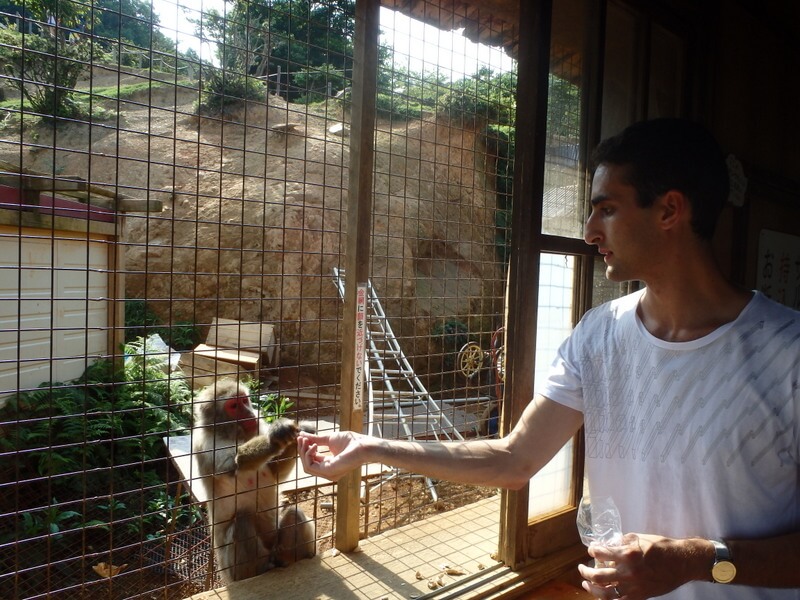
Iwatayama Monkey Park – After a 20 minute hike up the mountain with amazing views of Kyoto, we reached the monkey sanctuary. Macaque monkeys roamed the mountaintop – we were warned not to look them in the eye! At the top, we went into a building where we bought food to feed the monkeys through the windows – while we were in the cage and they were outside. It was really cool to interact with these animals.
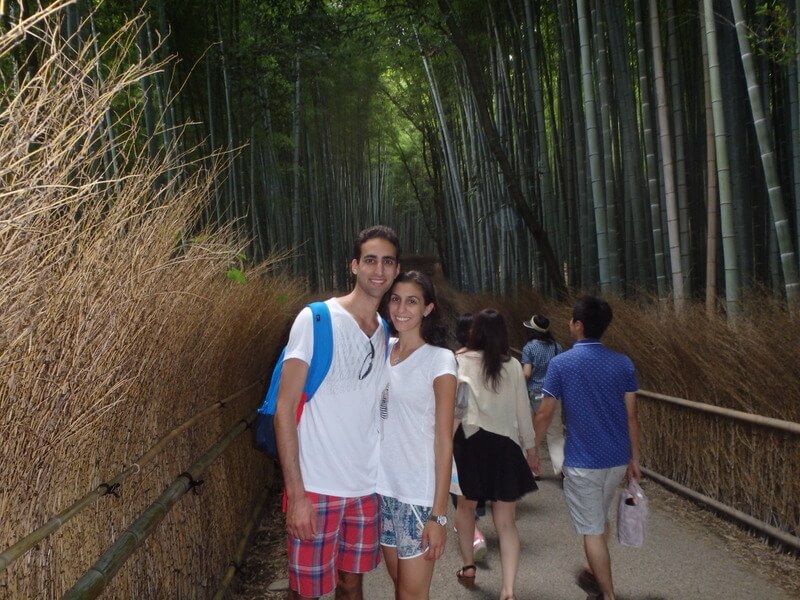
Bamboo Forest – Walked through a forest with tall bamboo trees on either side.
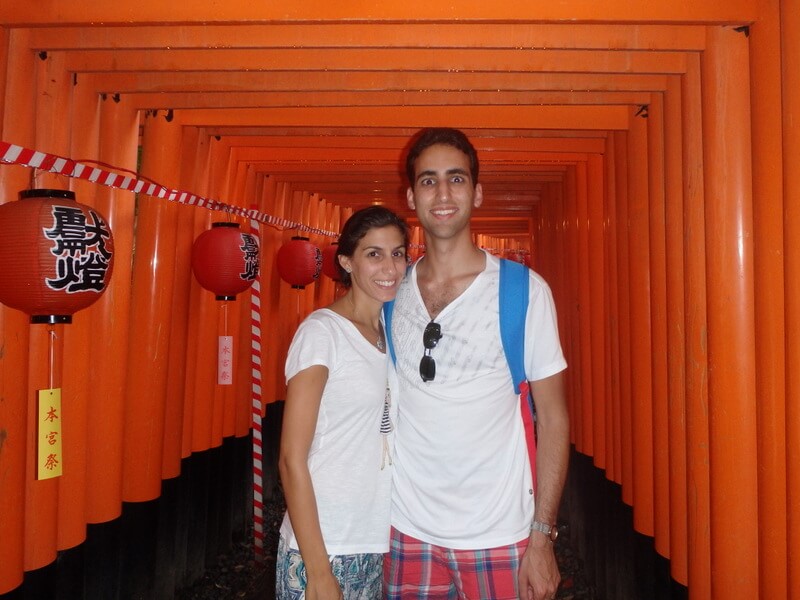
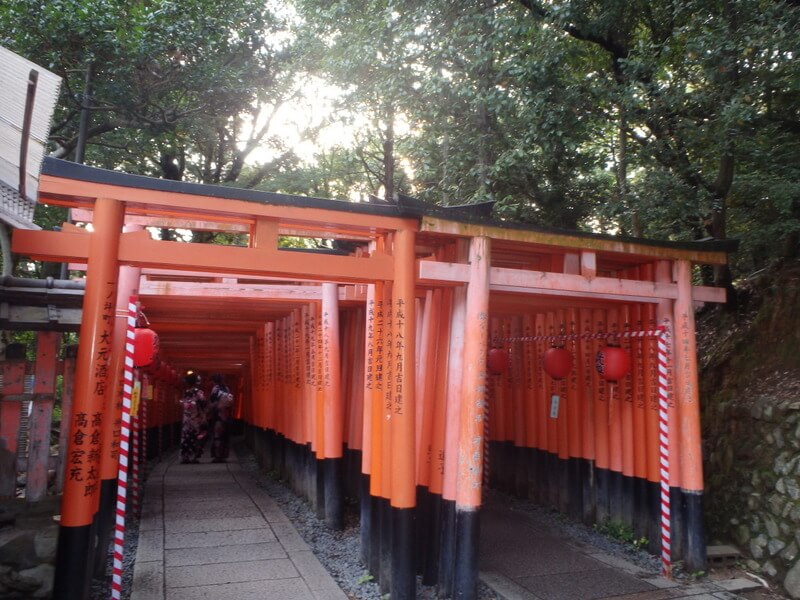
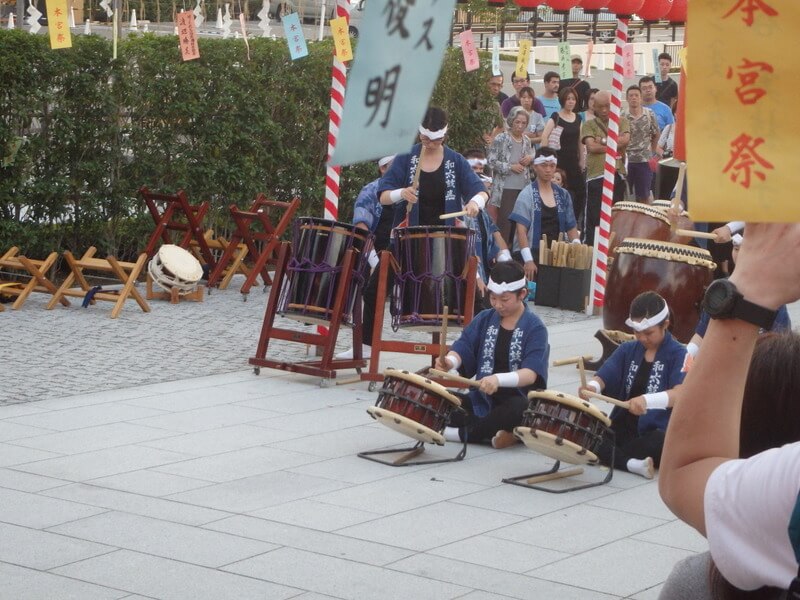
Fushimi Inari – Really famous shrine in Kyoto with thousands of red/orange gates that you walk through up a mountain. Shrines are guarded by foxes. People come here to pray for success in business and many businesses and people donate the gates. At the end, we watched a drum performance by kids at the shrine.
After dinner at Morpho Cafe (Vegan) we walked around the hotel/train station skyway.
Monday, July 21st
Toji Temple Flea Market – Since it was a holiday in Kyoto, there was a flea market by the temple.
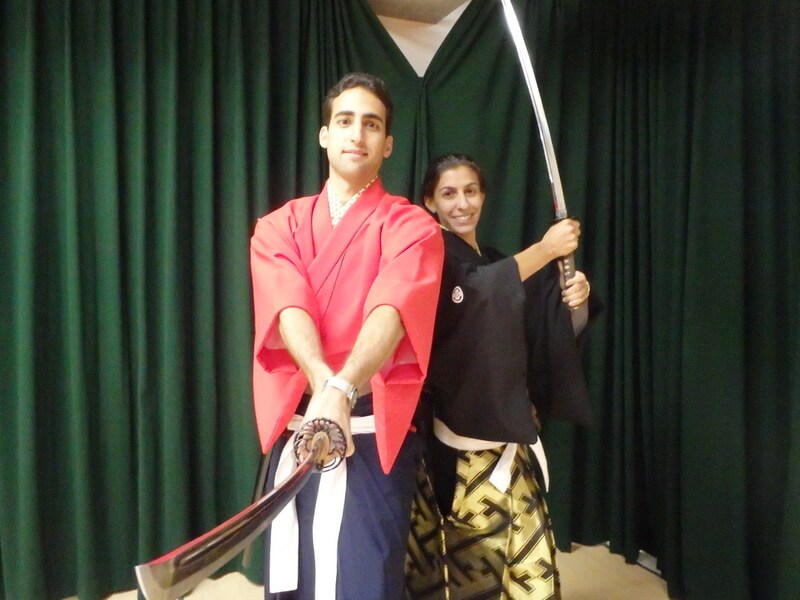
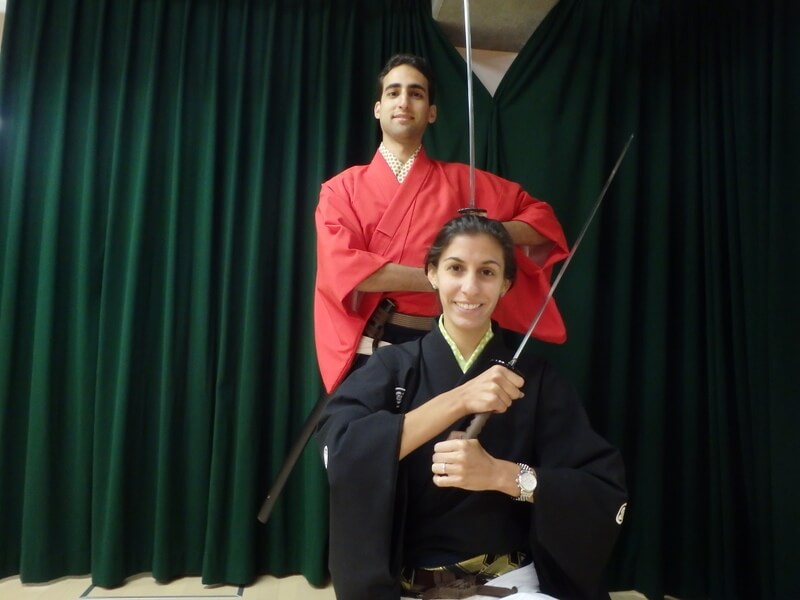
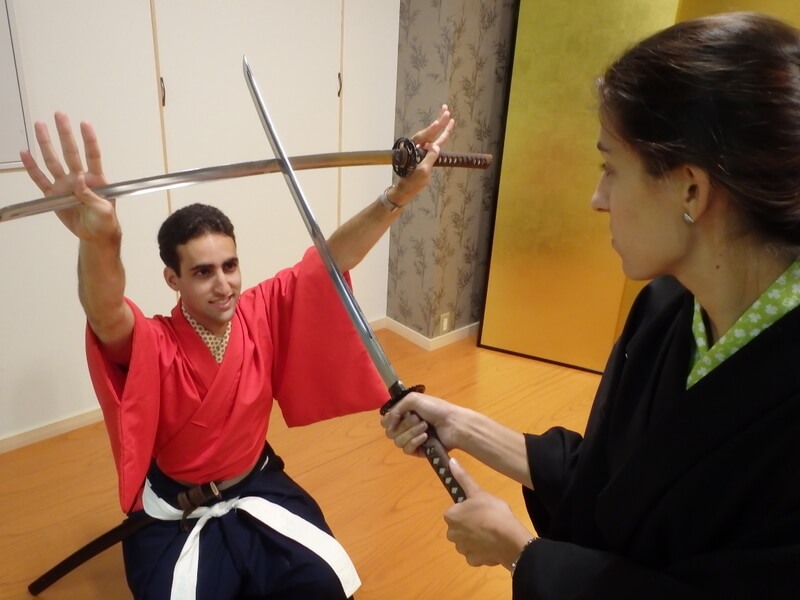
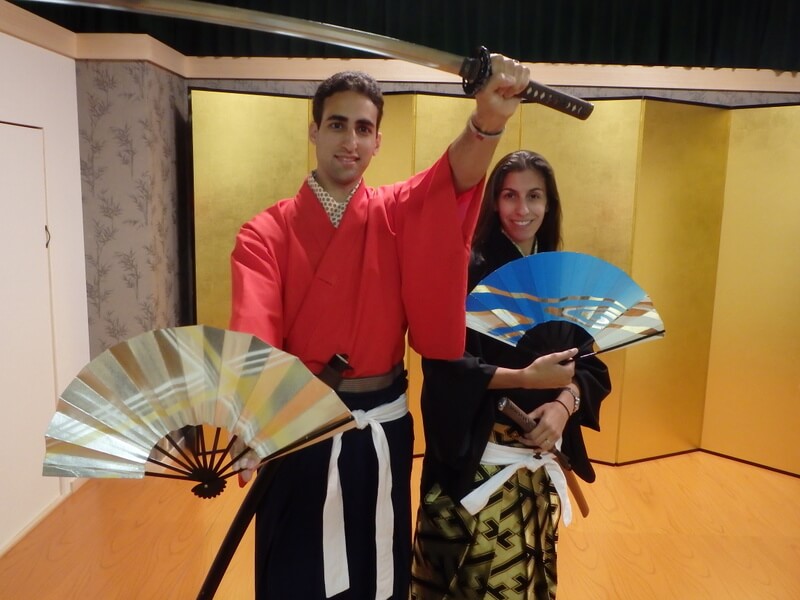
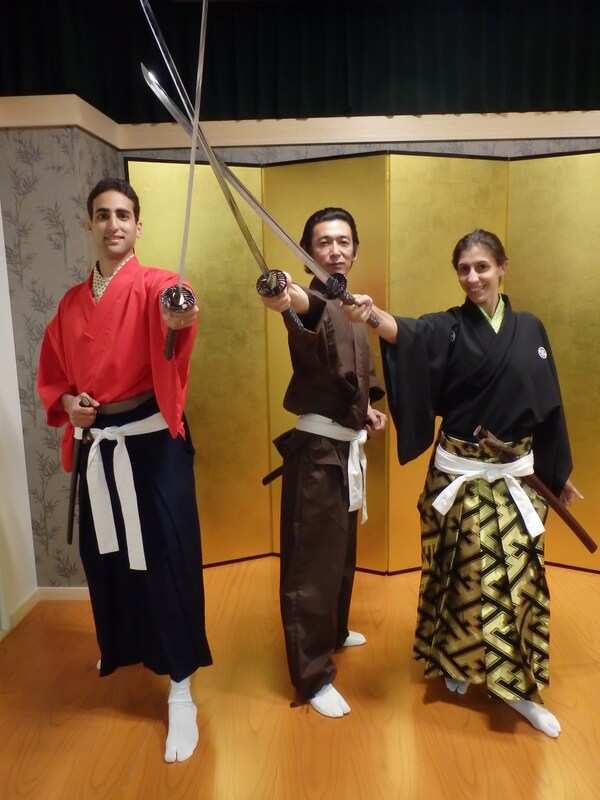
Samurai Kembu – We spent the morning learning about the Samurai, and did a sword routine. We learned the proper way to hold a sword and draw it, side cut, twirl and thrust. Samurai weren’t ninjas, they were a social class in Edo Japan also called Bushi. They follow the Bushido code, chivalry. Fans were also part of the culture as a sign of respect.
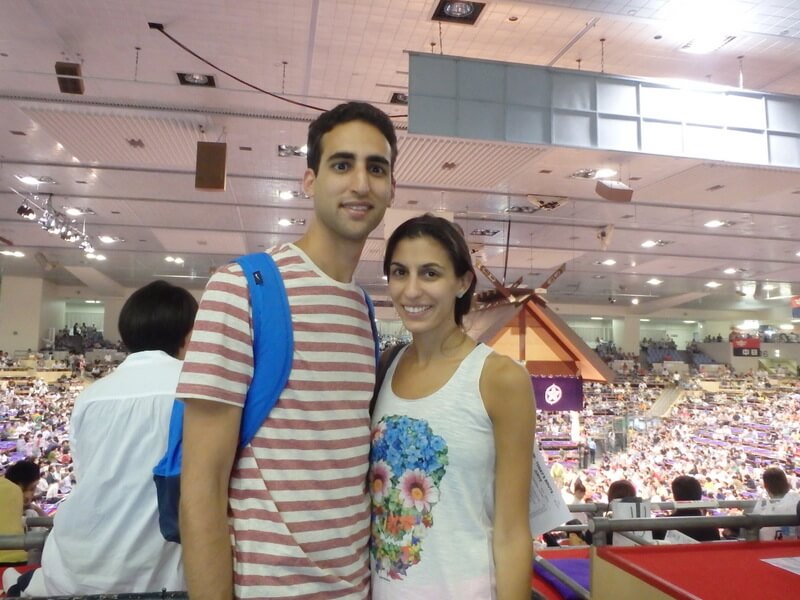
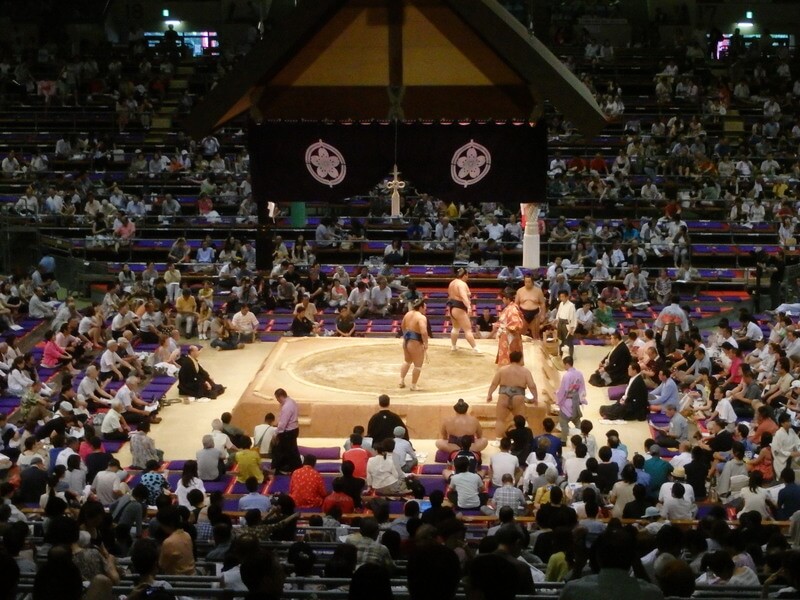
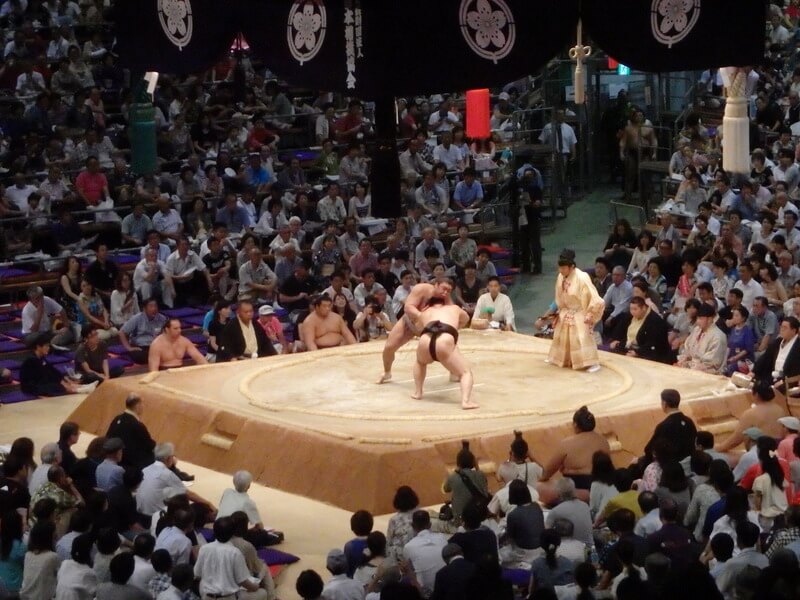
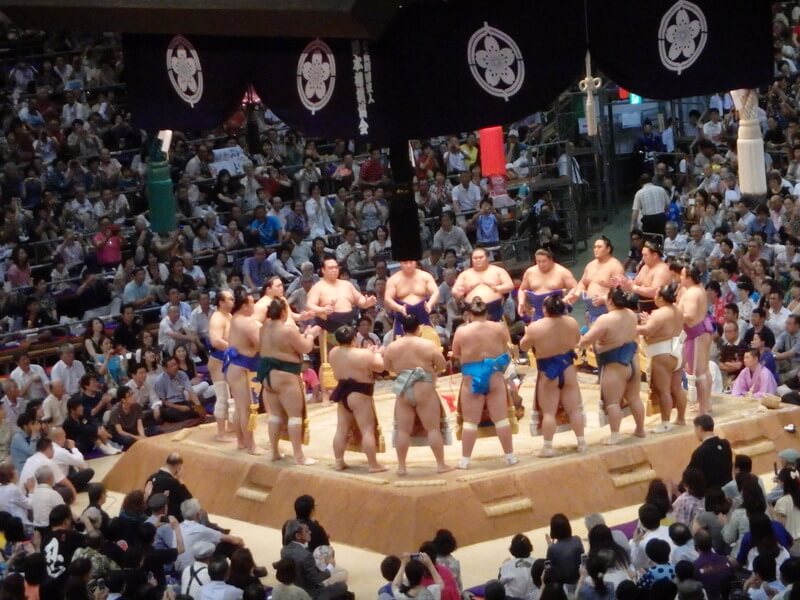
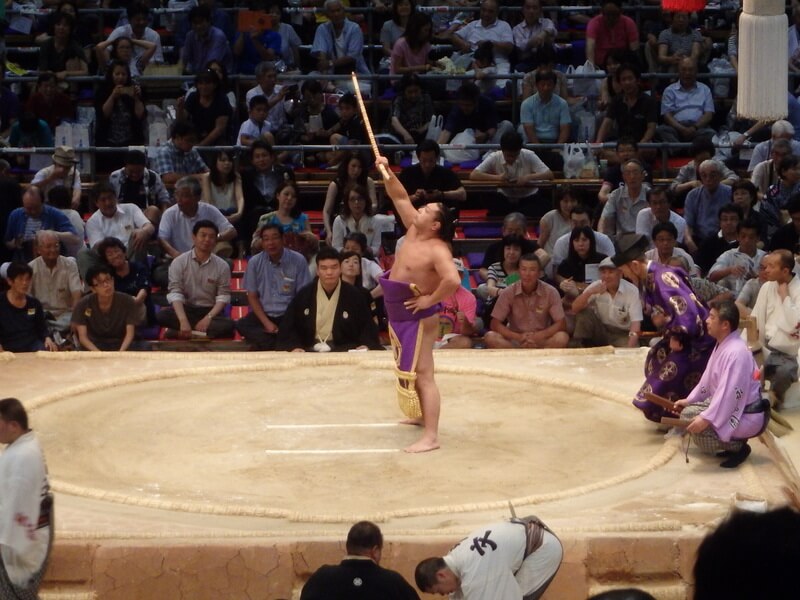
Sumo Wrestling – In the afternoon, we took a train to Nagoya to see the Sumo Wrestling tournament. It happens 6 times a year for 15 days at a time throughout Japan. There were a lot of traditions, including dances and marches to psych each other out, but the fights themselves were really quick. These guys were huge but really fast and strong.
After heading back to Kyoto for the night, the trip was done. We really loved spending time learning about such different cultures from where we come from, and it was really the trip of a lifetime!