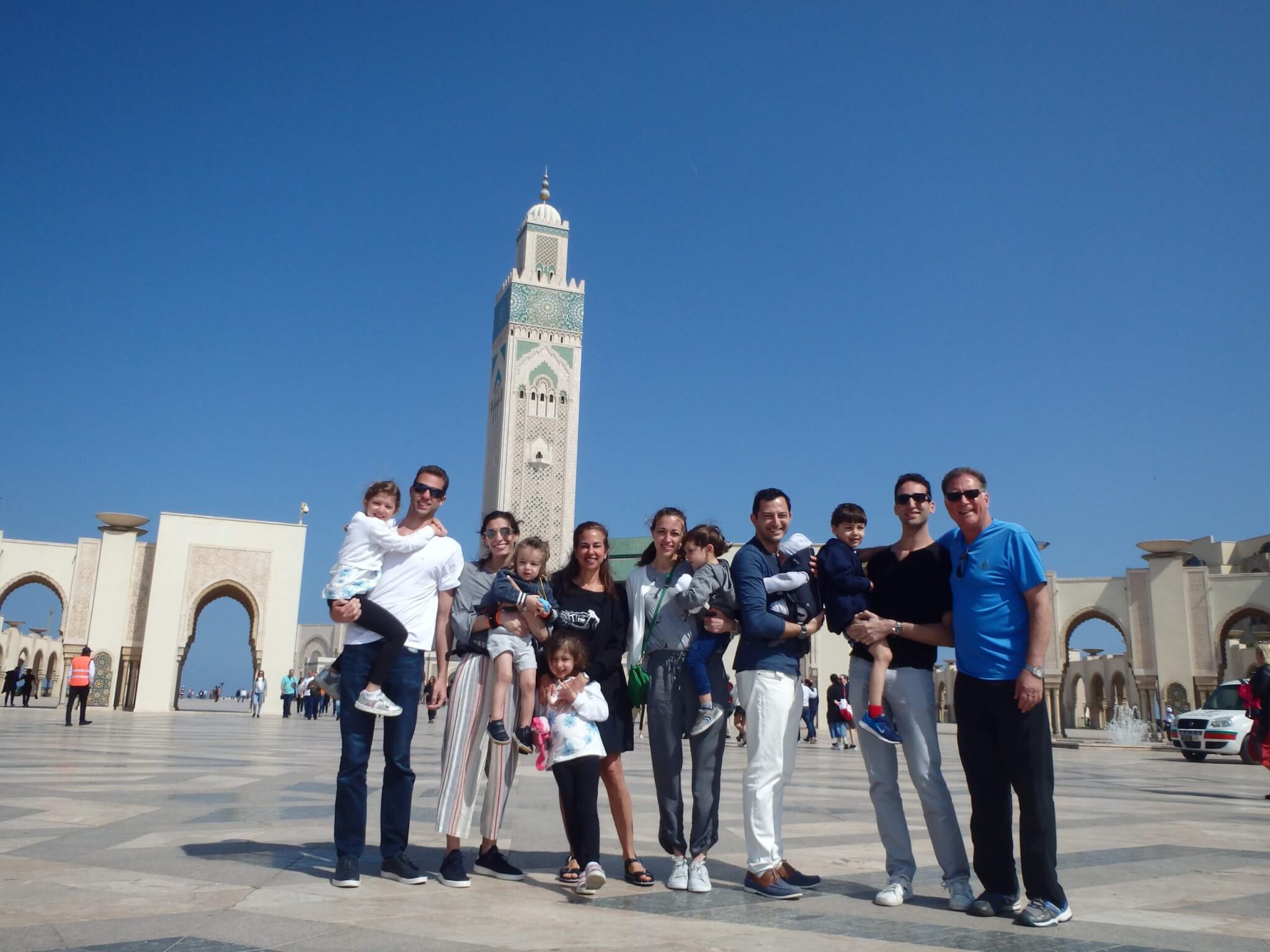
We typically spend Passover in New York with our families, but this year we decided to try and go away. Rita found a trip that looked really appealing: it was in Morocco where there was plenty to do and see, we knew people who had been on the trip before, and the price was affordable. Hol Hamoed was a full four days, so that gave us the most time to sightsee. We shared the idea with Sam’s family, and his parents, and his sister’s family were in.
Passover Program
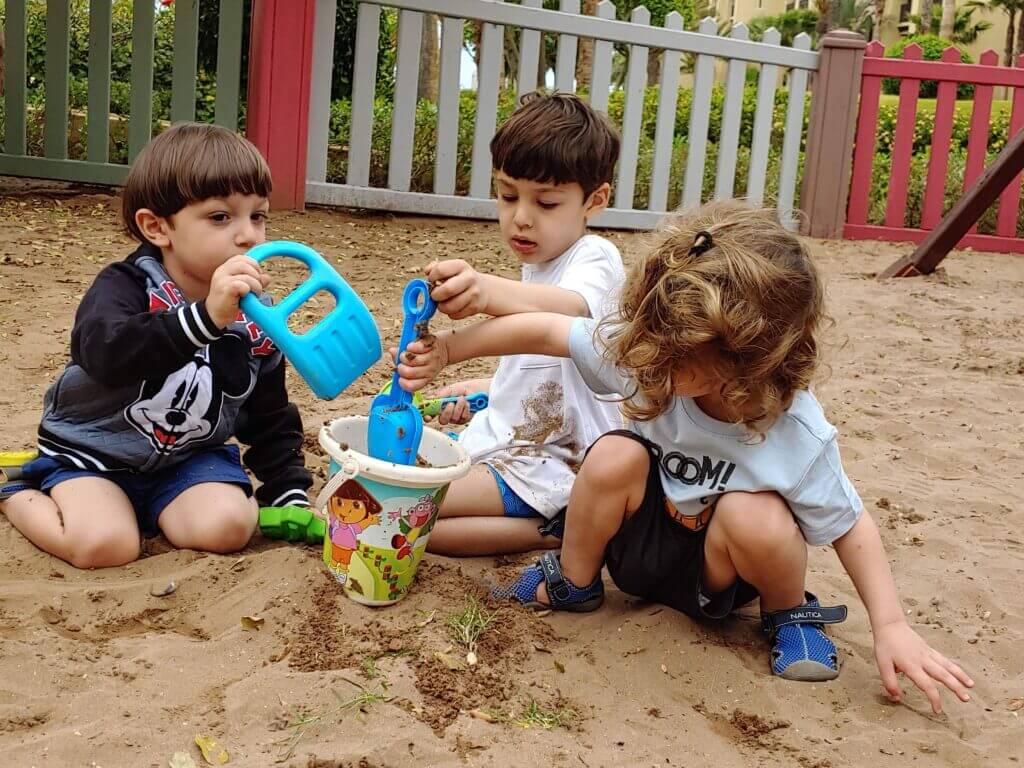
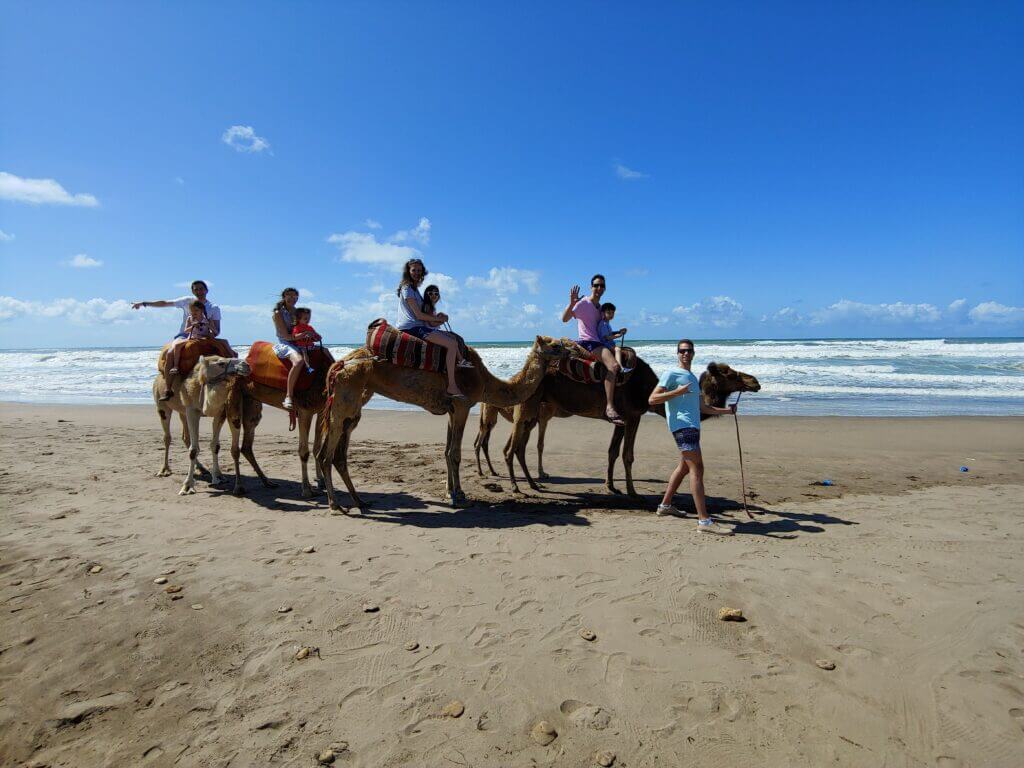
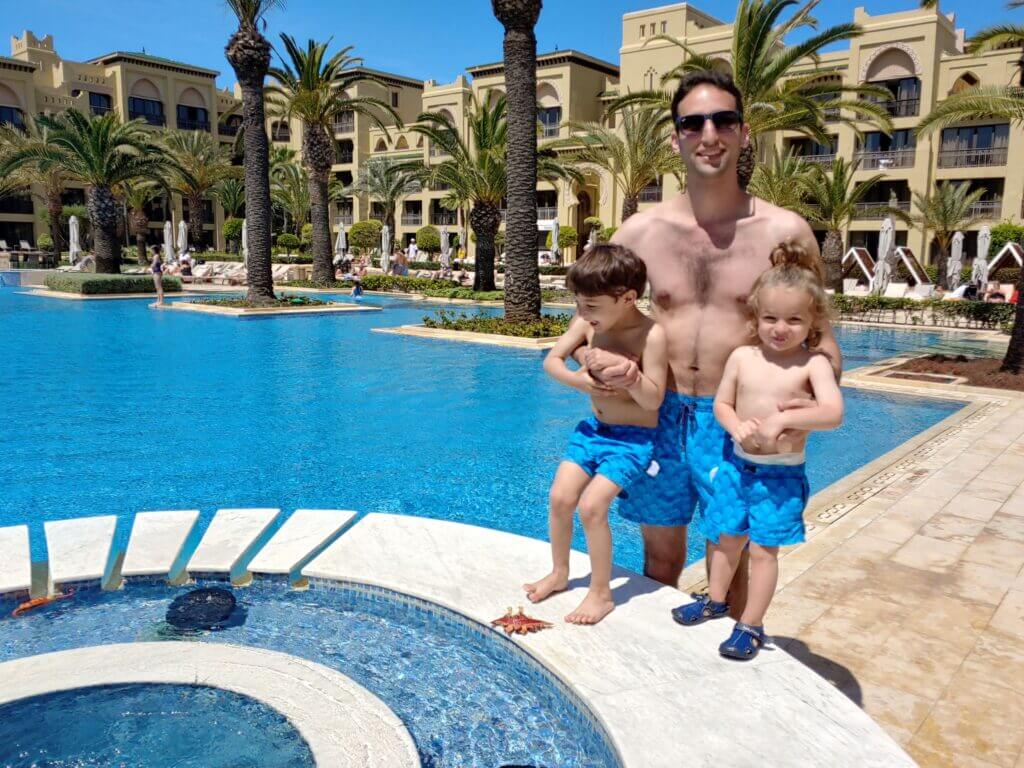
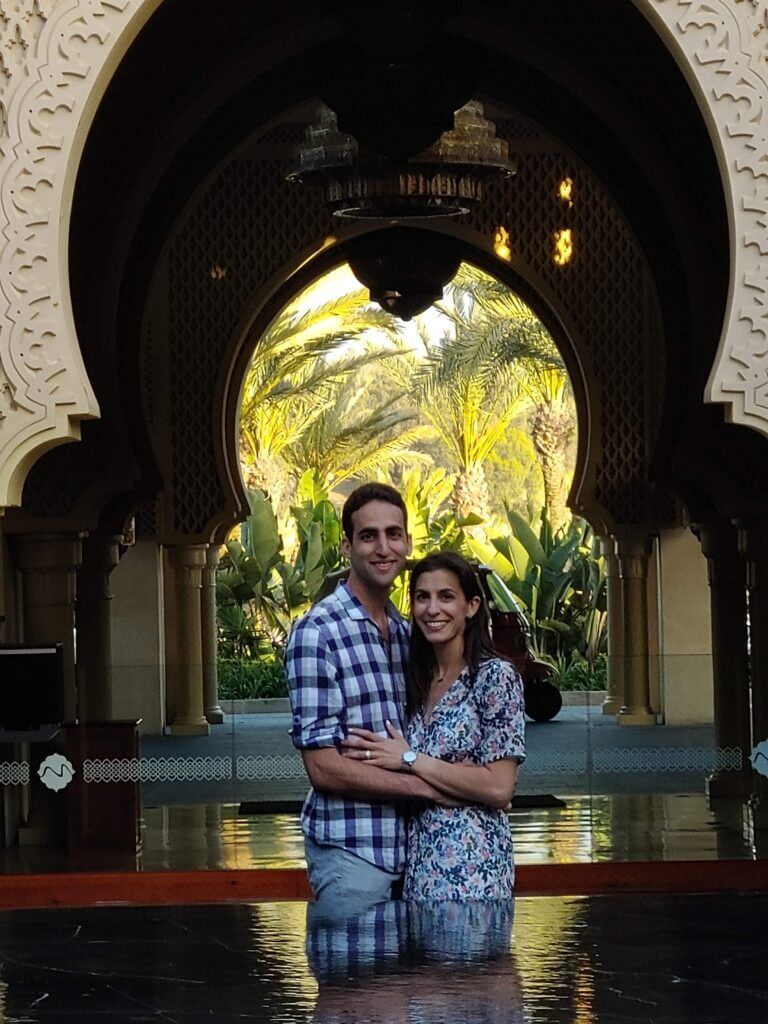
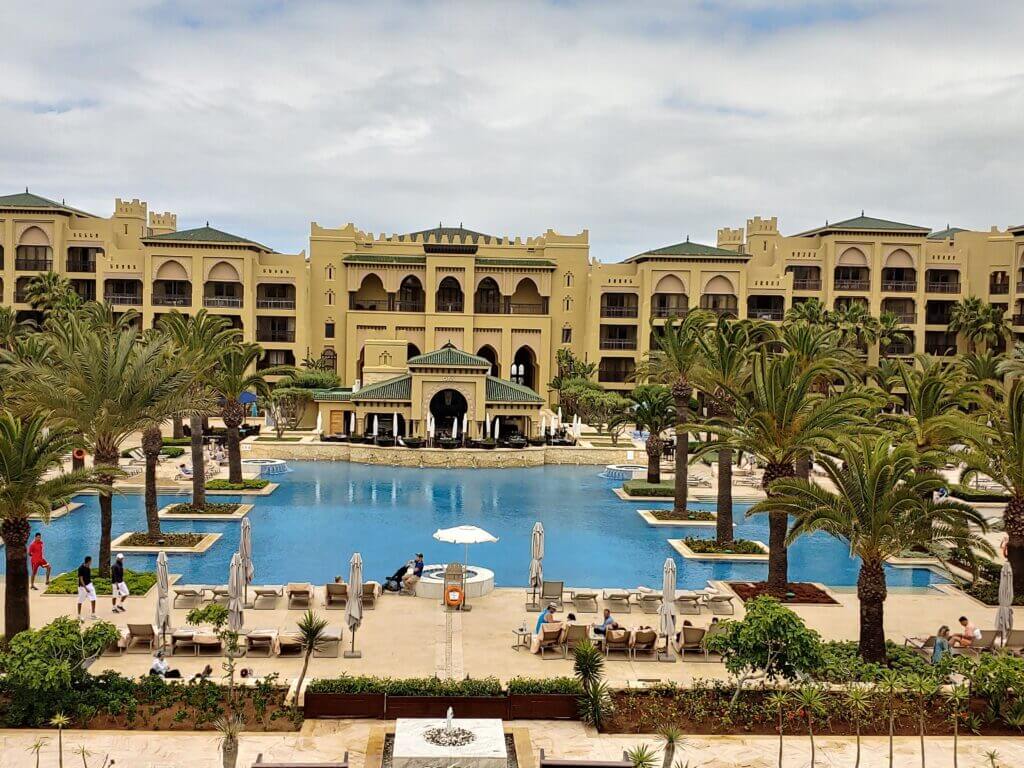
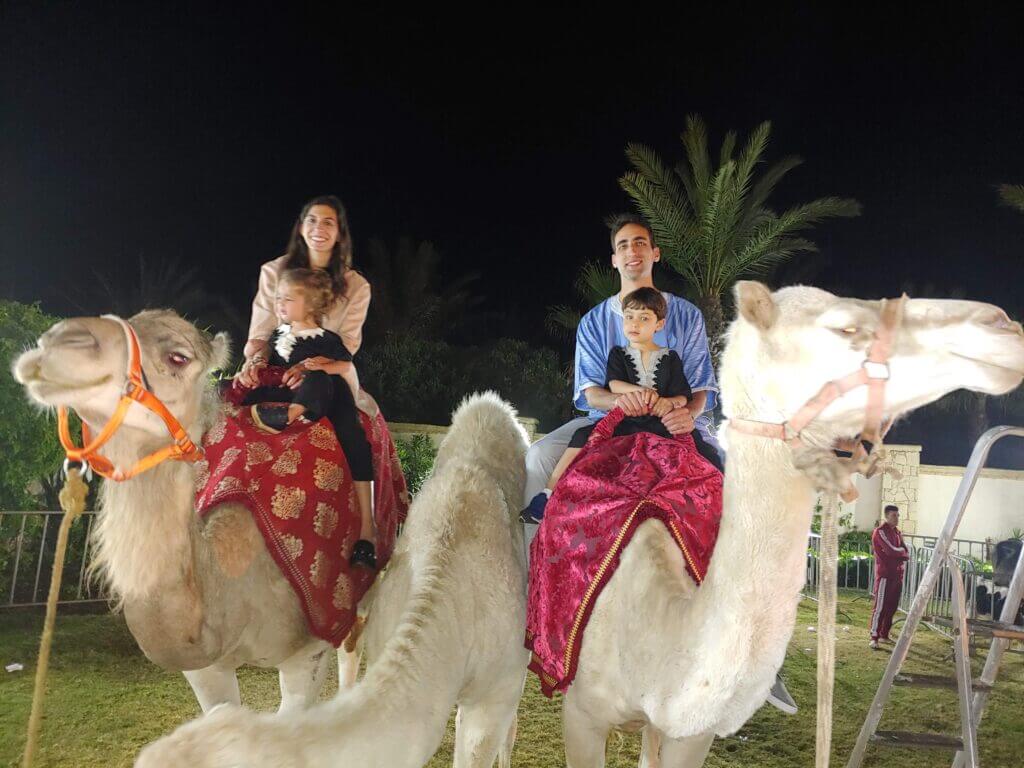
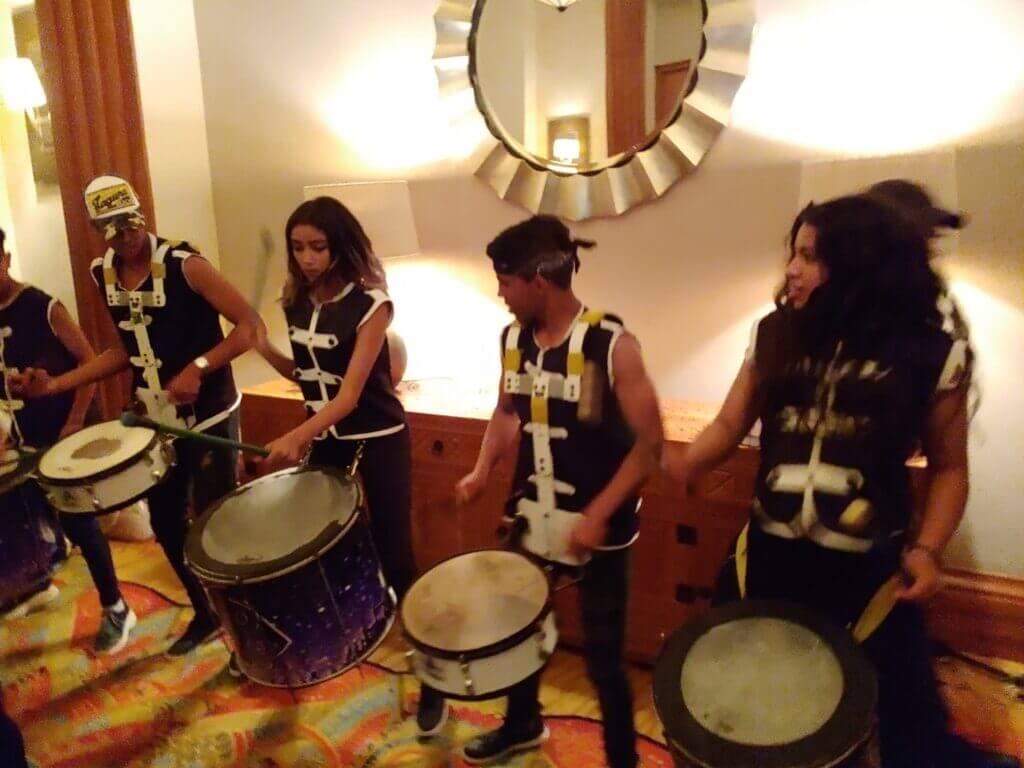
The program we joined was from Sarah Tours. They were based in France, and most of the people on the trip were French or Israeli. We didn’t really know what to expect, but we were so happy with the trip. The hotel, Mazagan Beach Resort, was spectacular, and was even used as a filming location on TV and movies. The grounds were amazing, and it was right on the beach. We rode camels and ponies on the beach, and there were other activities for the older kids as well. It was generally too cold to swim in the ocean, but we sat by the pool and the kids were able to play in the pool. The food was amazing, with tons of food available, a stocked tea room, and early dinner for the kids. The entertainment was fun as well, and we had our own Sephardic minyan for prayers. We made friends with our waiter Abdarrahim, and he took care of us during meals.
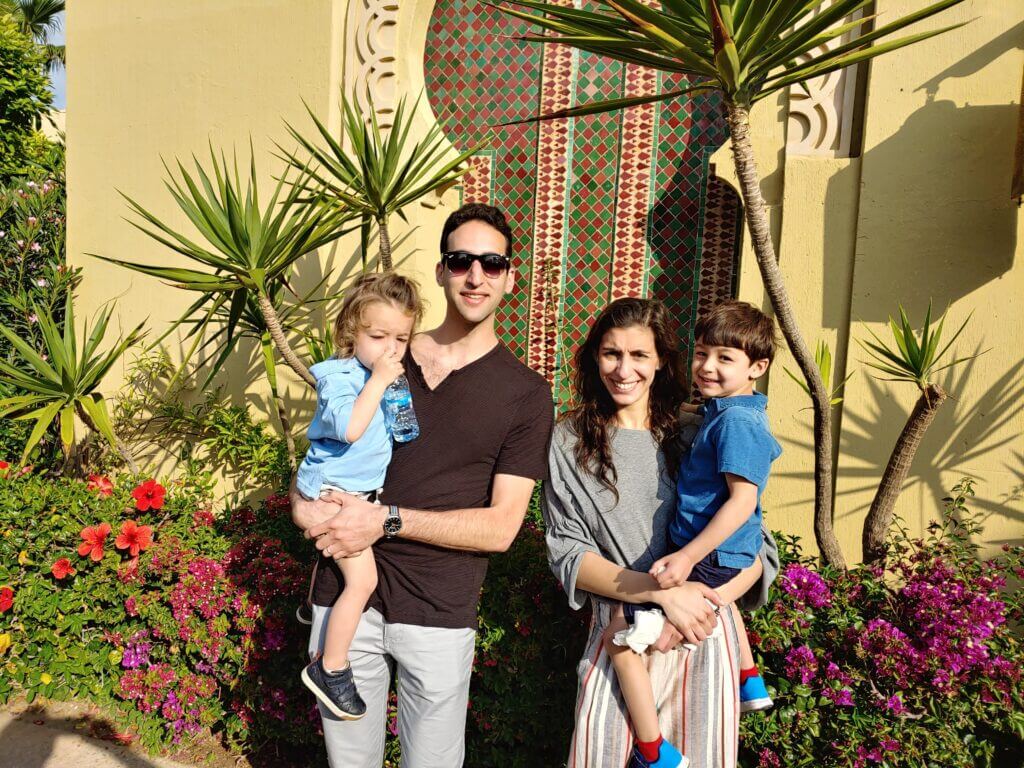
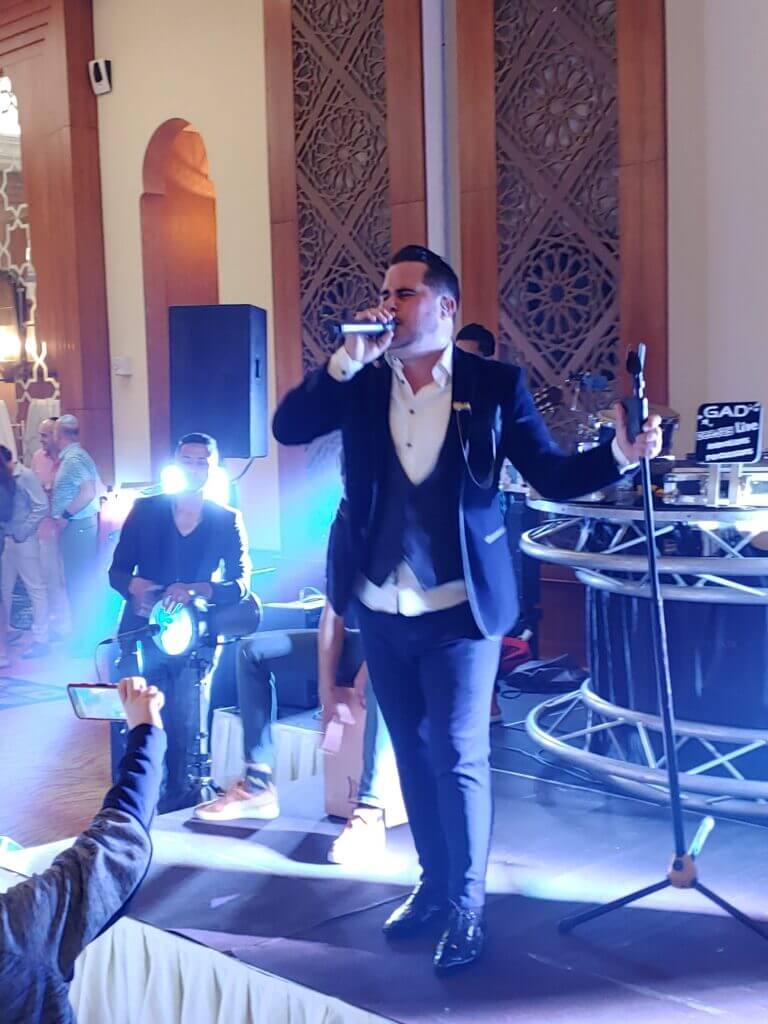
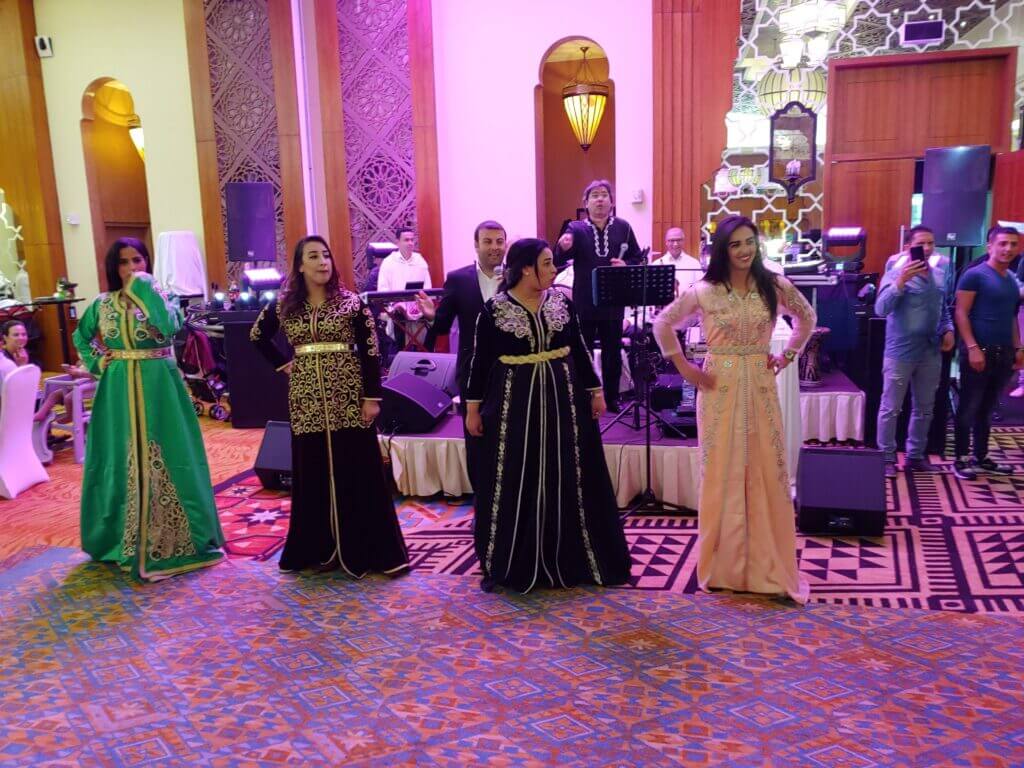
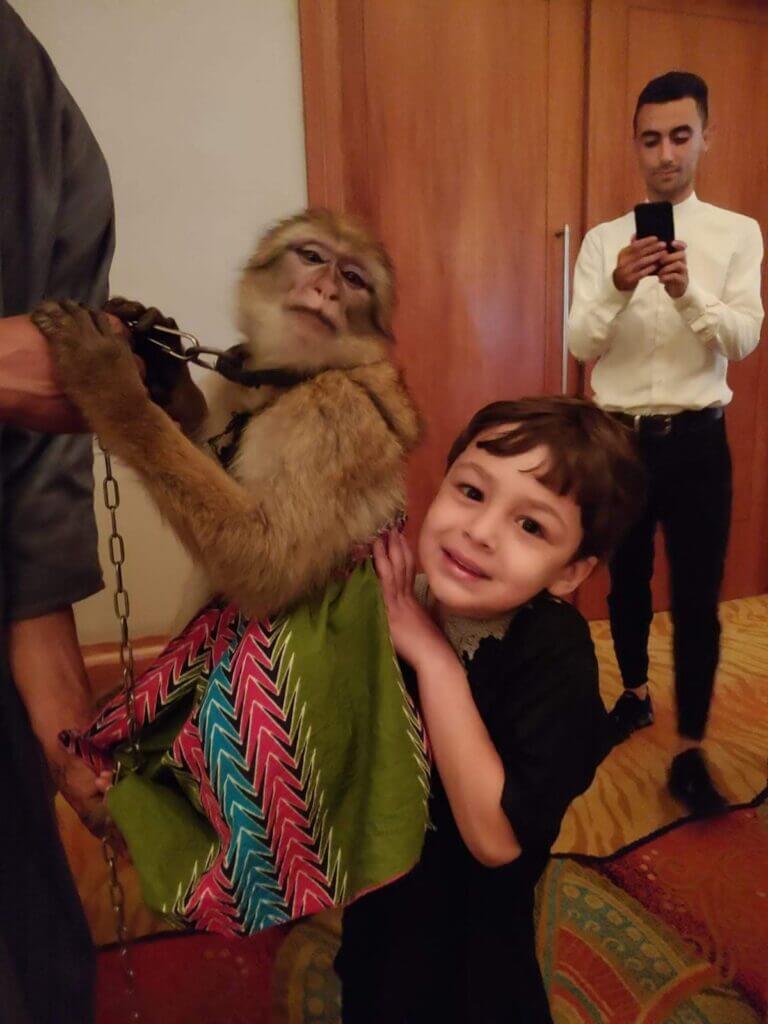
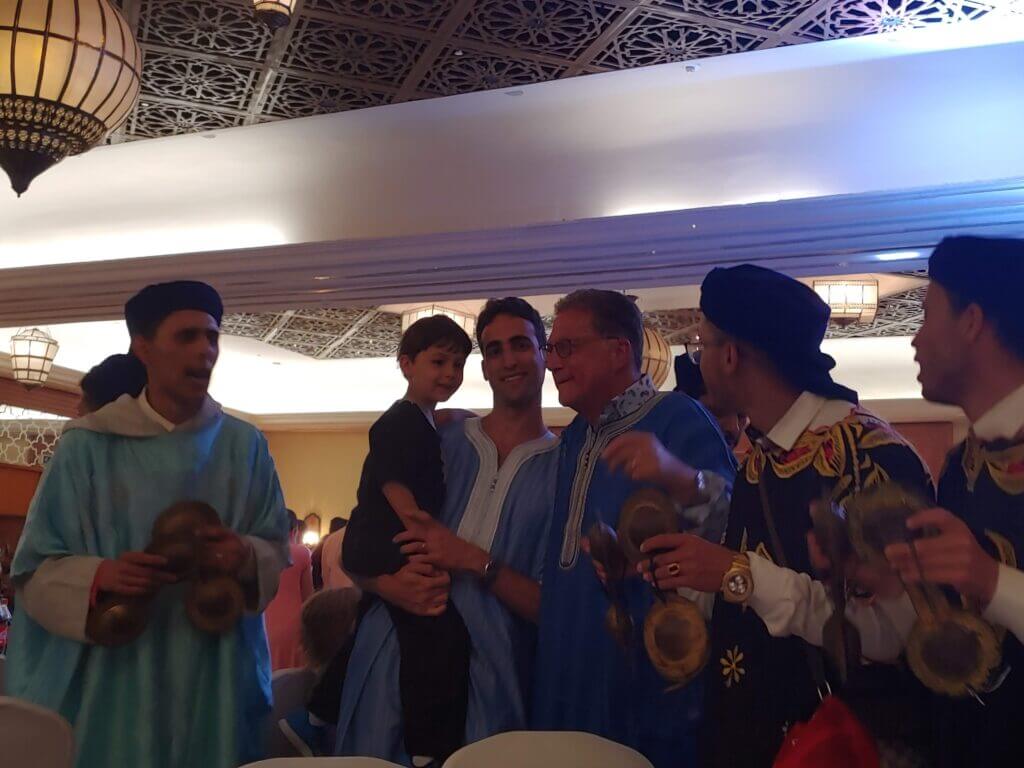
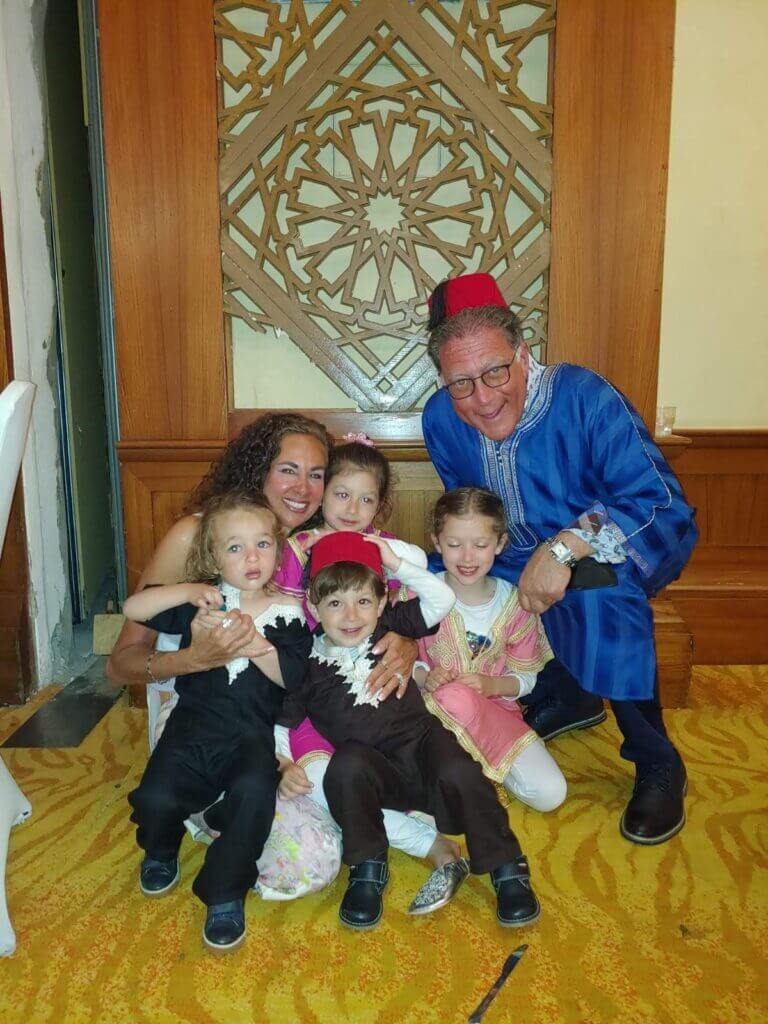
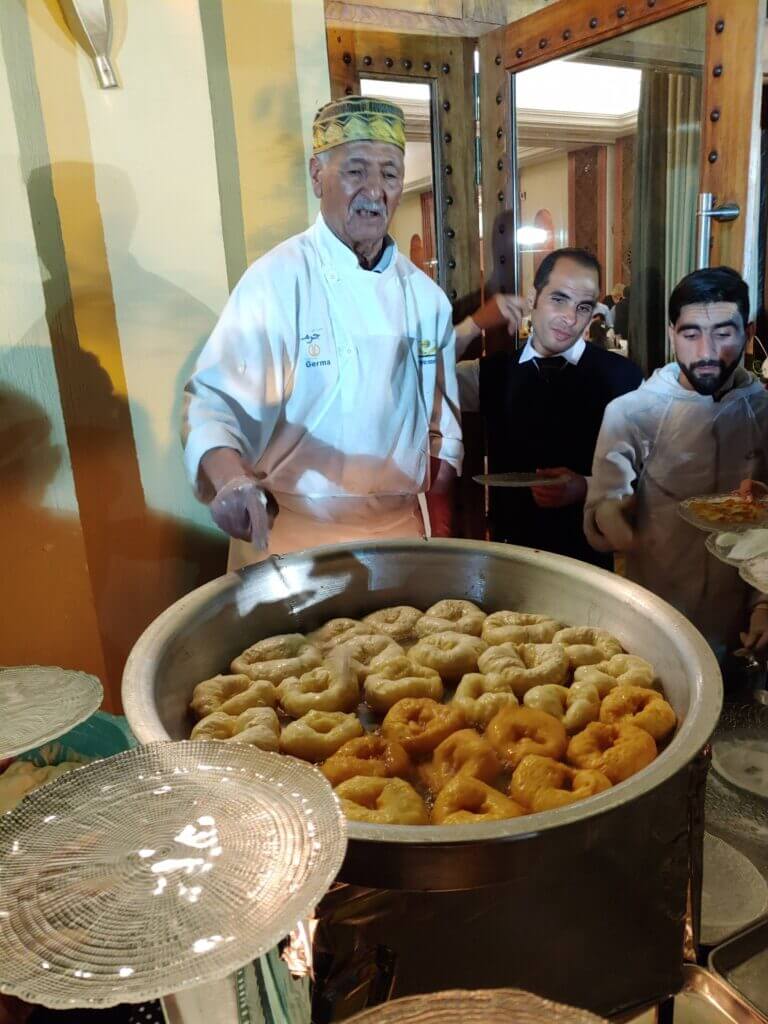
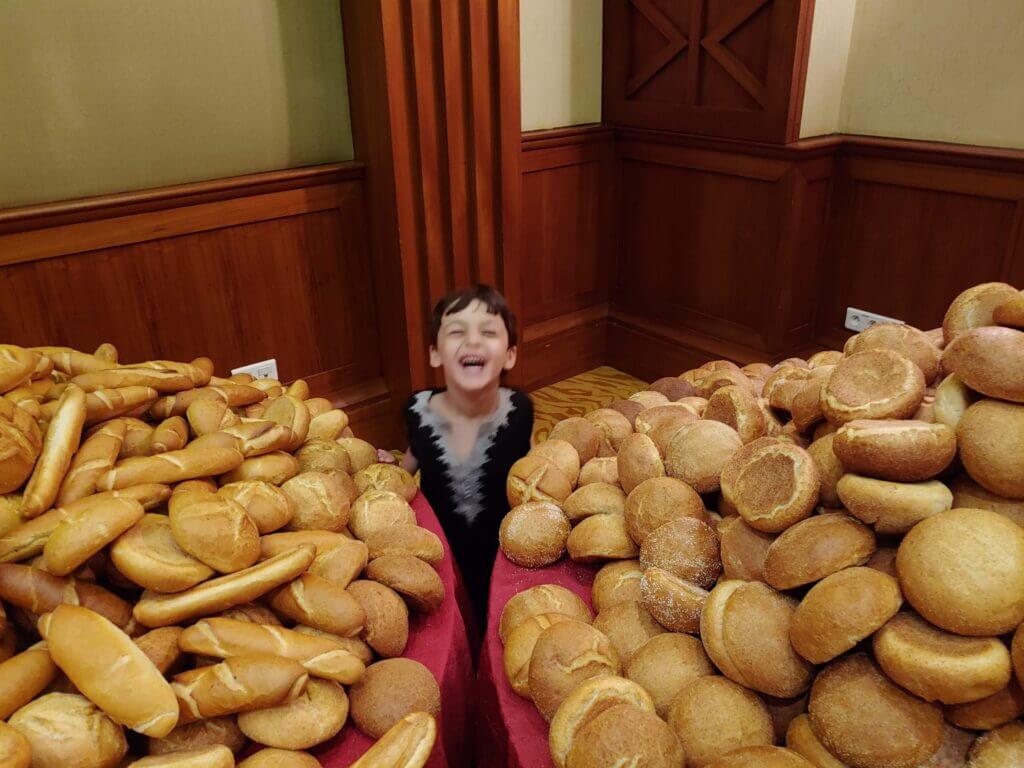
We had a blast at the Mimouna – the Moroccan style hametz party after Passover was over. The party was full of entertainers with baby animals (symbolizing fertility), carnival environment, music, dancing and of course tons of fresh bread donuts and other hametz. We all bought Moroccan Kaftans and wore them that night.
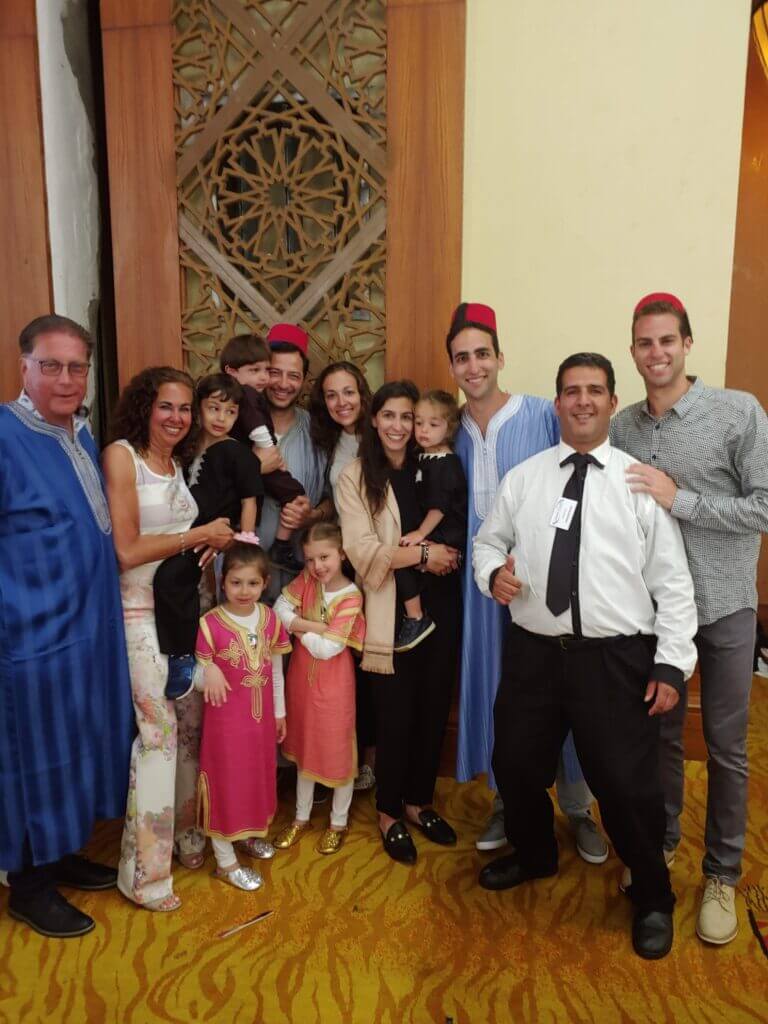
As per the travel, we had planned three days of travel. Our tour guide was Moustapha, who was very knowledgeable, but probably wasn’t the best fit for a family with small children. We had a small bus taking us around, as we were 7 adults and 6 kids under the age of 7.
Day 1 – Casablanca
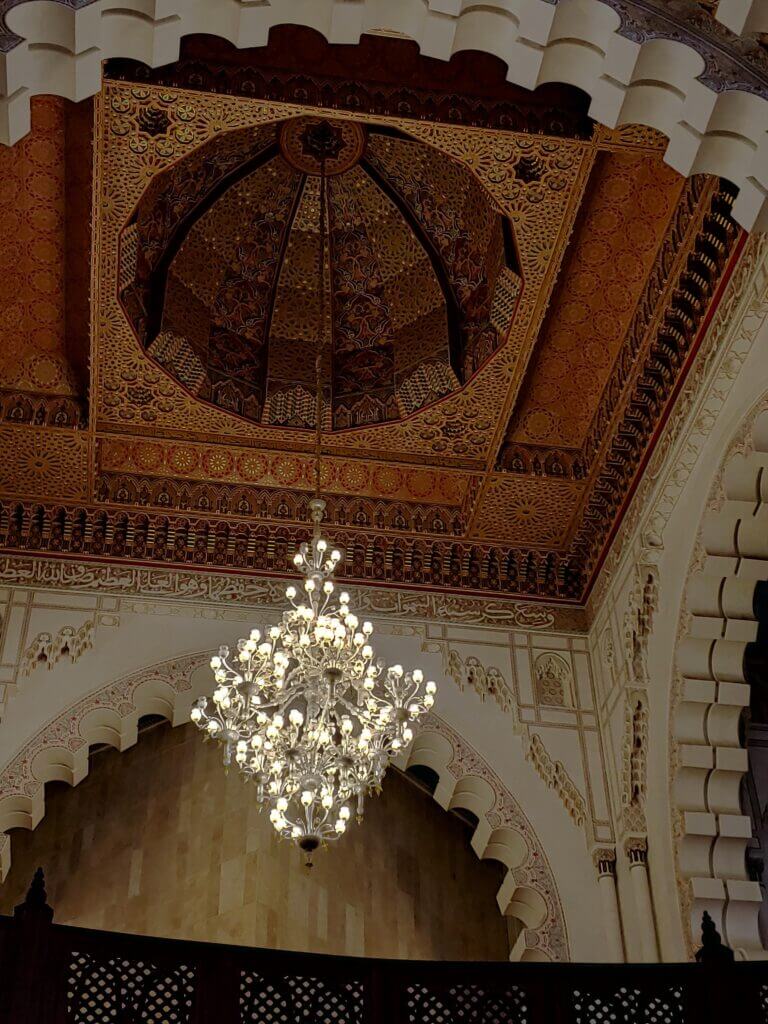
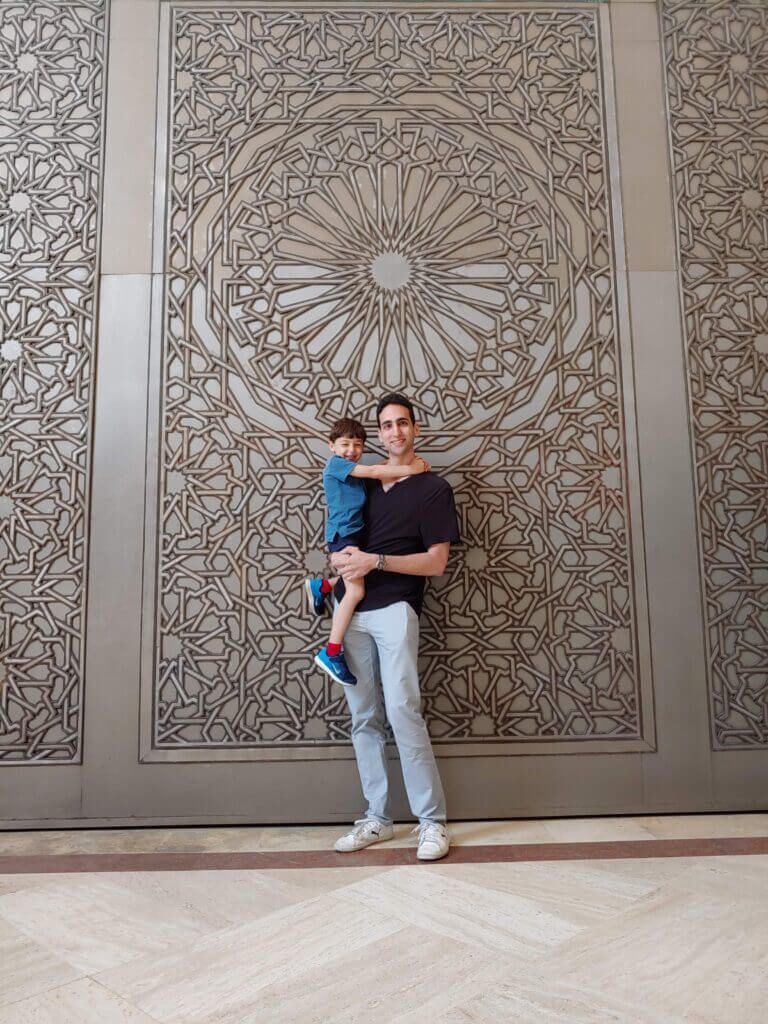
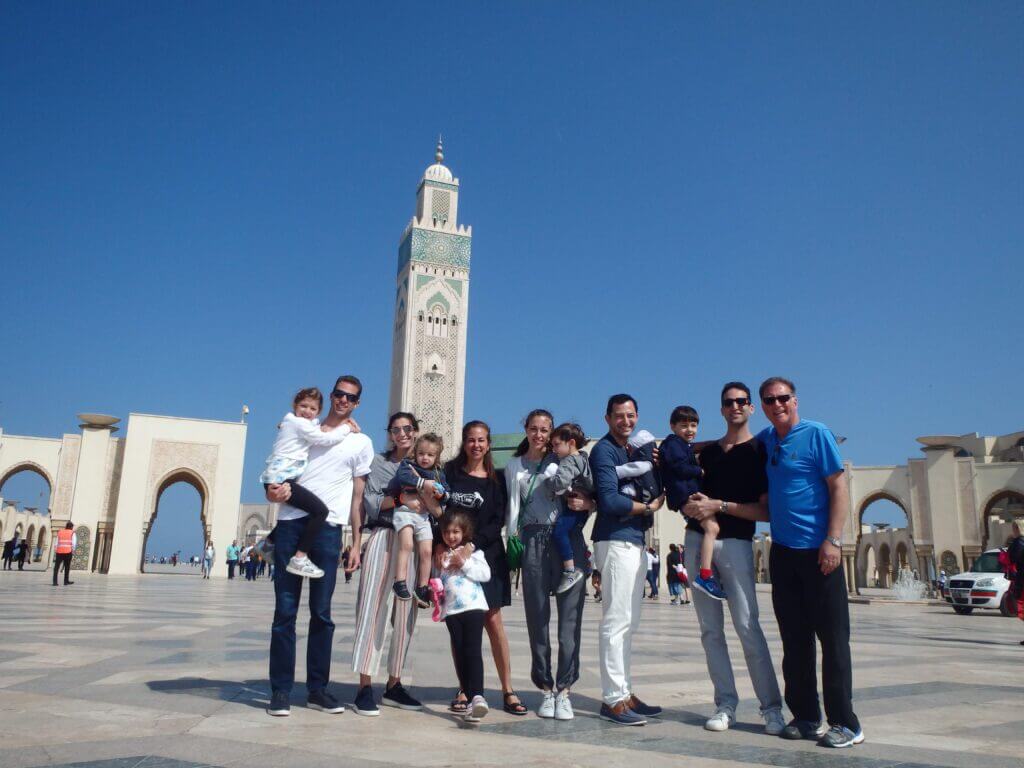
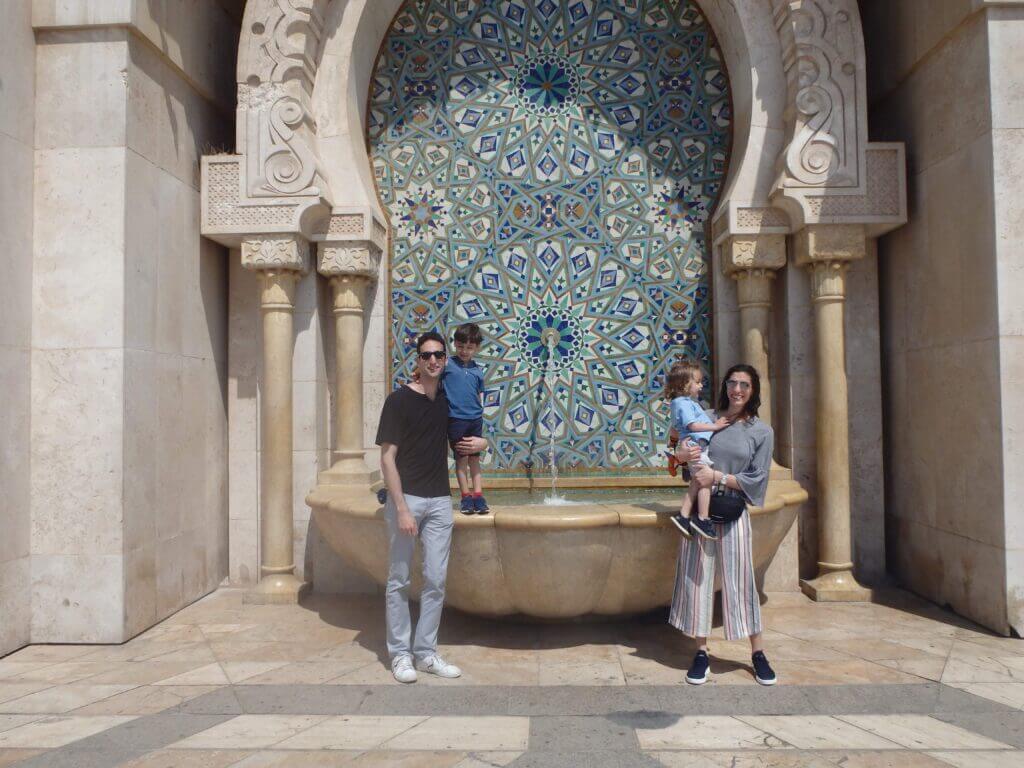
Hassan II Mosque – This tremendous mosque was built by the Moroccan royals in 1993, and is the worlds second tallest minaret. The mosque was extremely modern and the architecture was intricate and beautiful. We took off our shoes before entering, and saw the washbasins to clean hands and feet before prayers. It had a huge outer courtyard and overlooked the ocean.
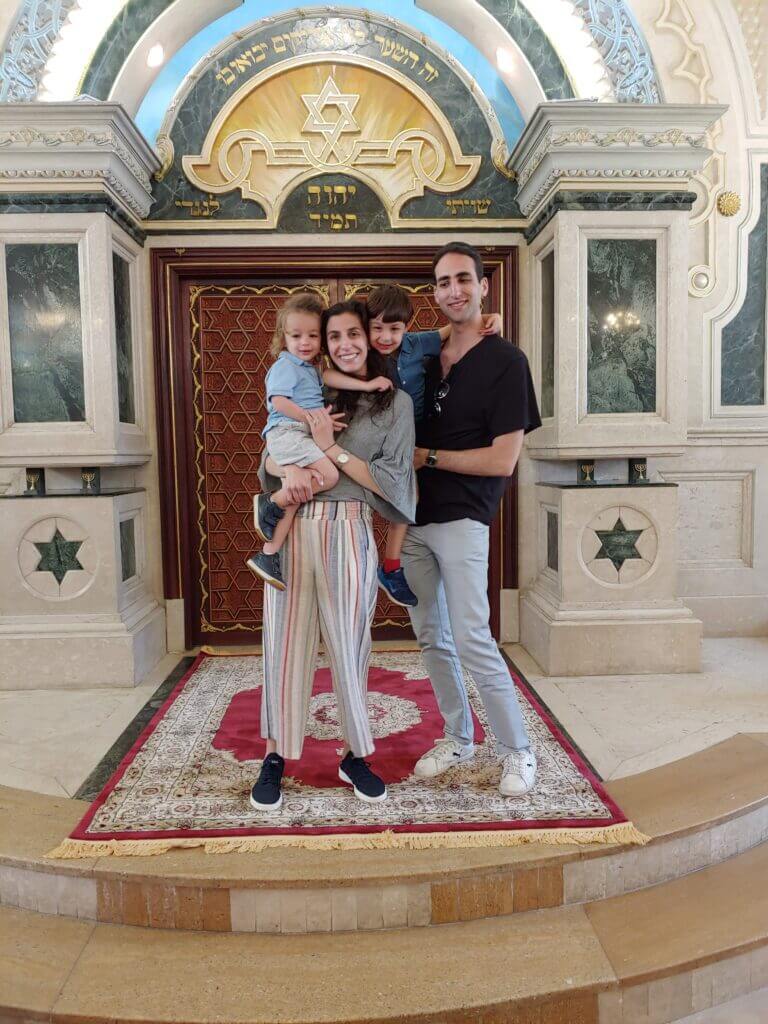
Beth El Synagogue – Beth-El is often considered the center piece of a once vibrant Jewish community. We also walked around the area and saw a Jewish bakery that was even selling Passover treats.
Corniche and Mohammed V Square – Afterwards, we walked along the Corniche – which was like a boardwalk and the large square where the kids chased pigeons.
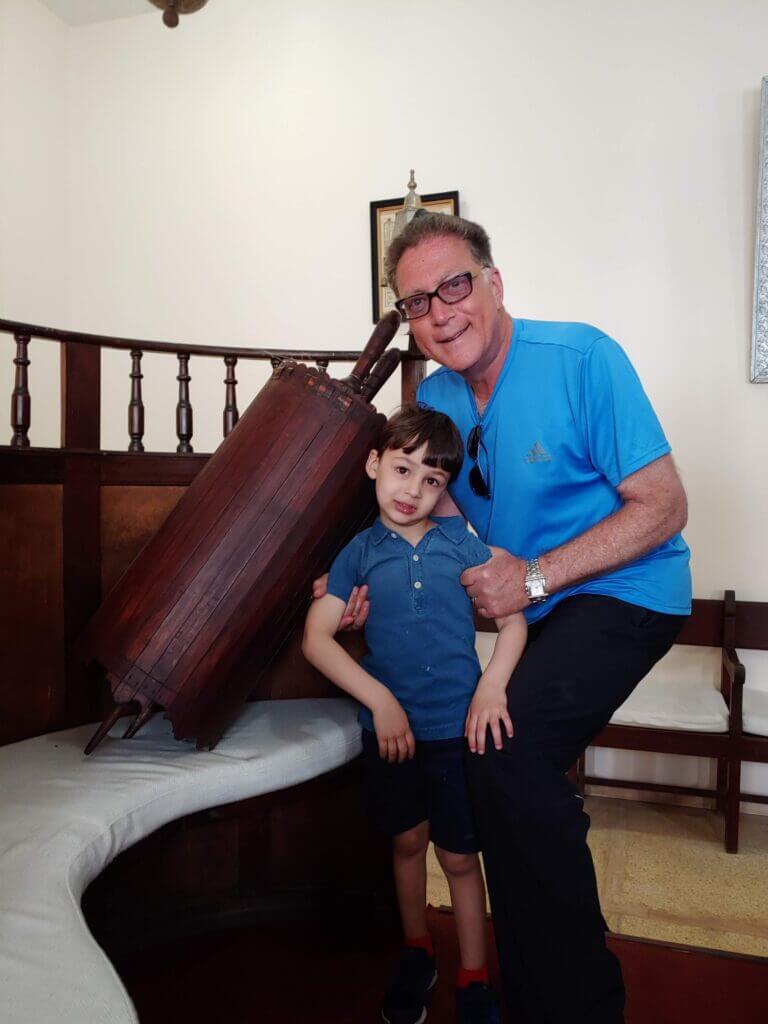
Moroccan Jewish Museum – Our last stop of the day was this museum dedicated to the Moroccan Jewish Community. It showed how the country valued the relationship between Jews and Muslims for centuries, and the vibrant Jewish community that flourished there. We even saw something called Megilat Hitler describing the Moroccan experience in the Holocaust. The boys loved seeing all the Torahs here.
Day 2 – El Jadidah & Azemmour
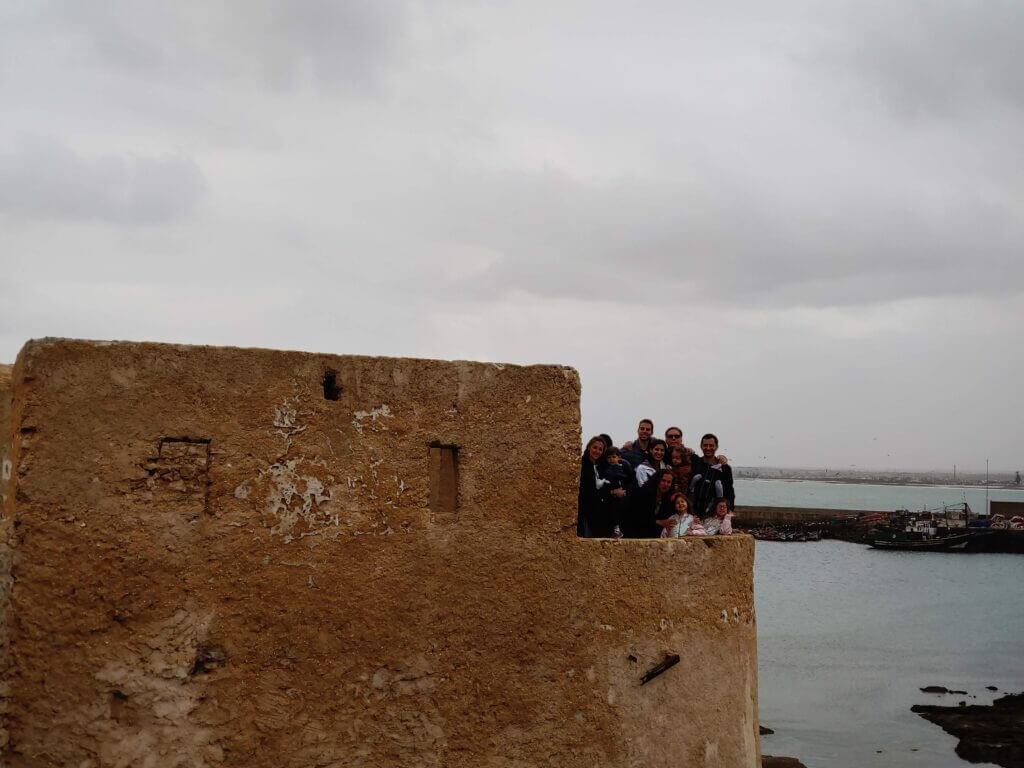
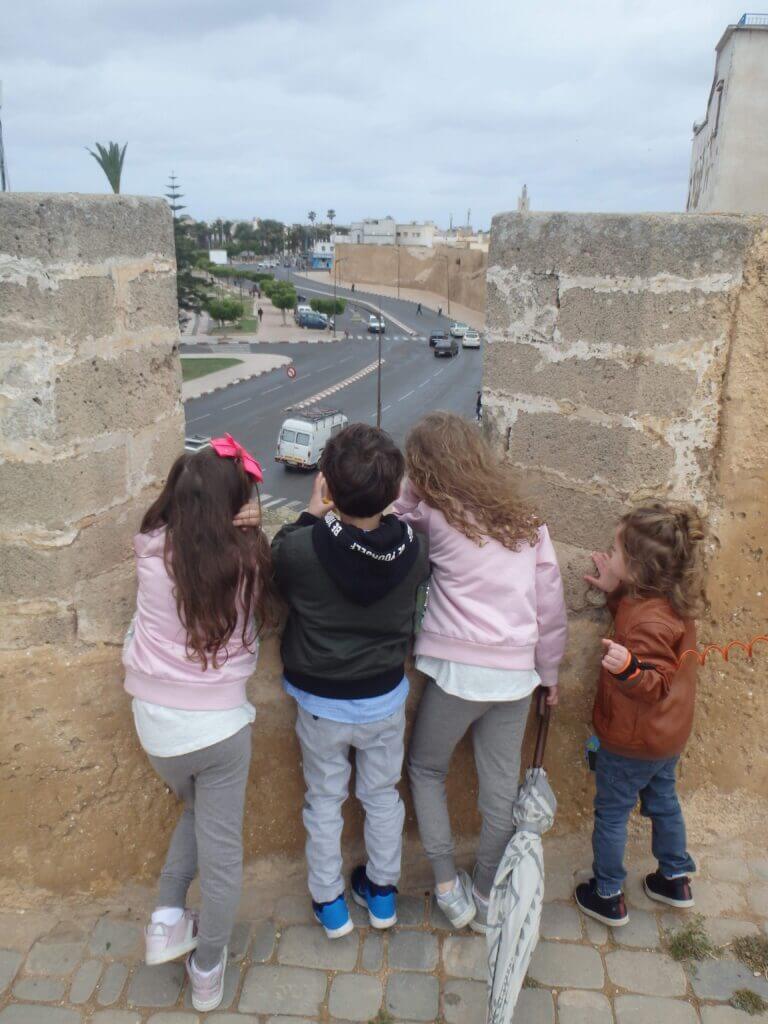
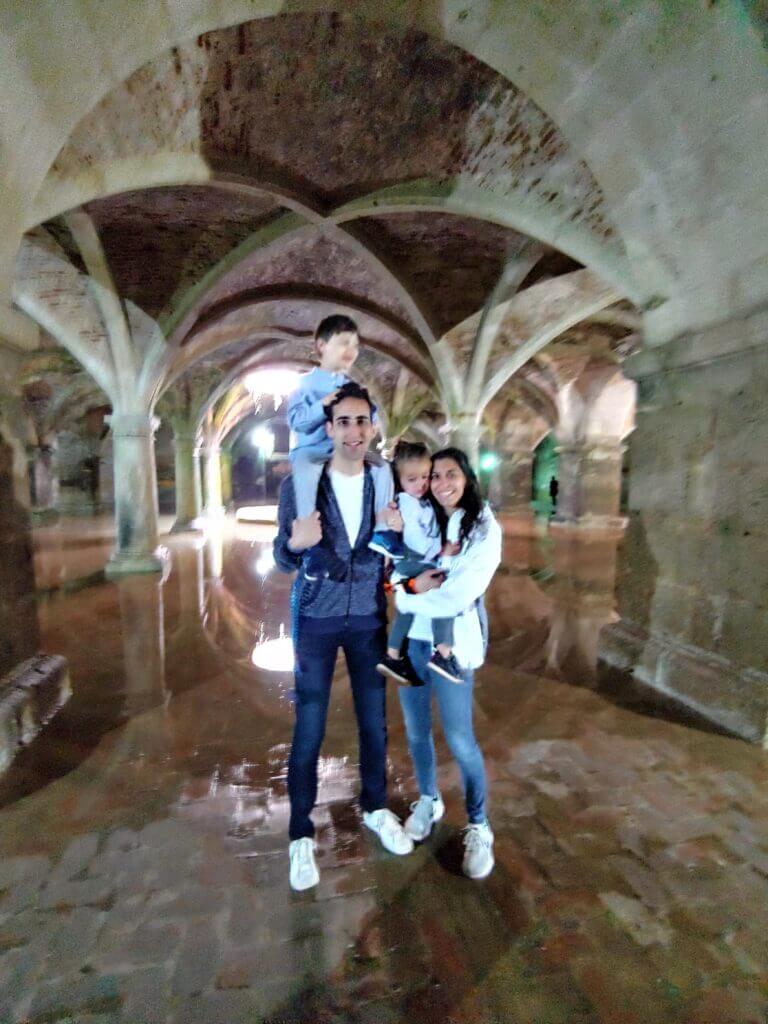
El Jadidah (new town) was a port city originally built by the Portuguese as Mazagan in the 16th century. We started by walking along the walls of the old fortified city, overlooking the ocean, seeing why it became a stronghold for the various armies through Moroccan history. We also climbed down into the large Portuguese cistern built underneath the citadel. As we walked through the city, we had a police officer for protection.
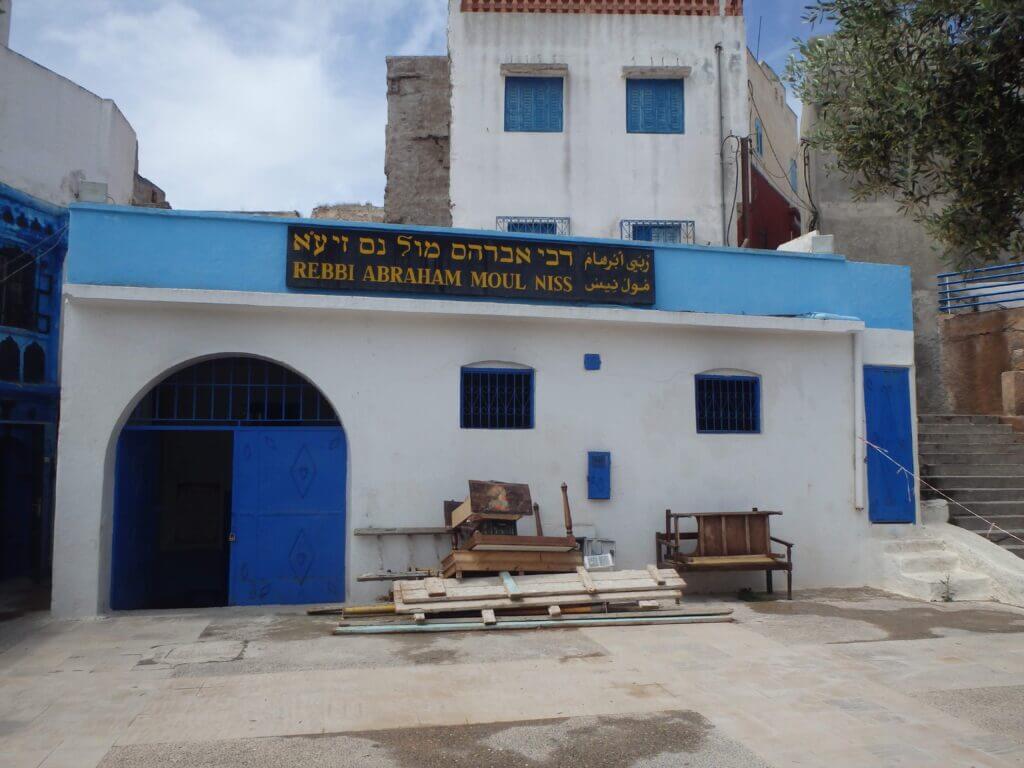
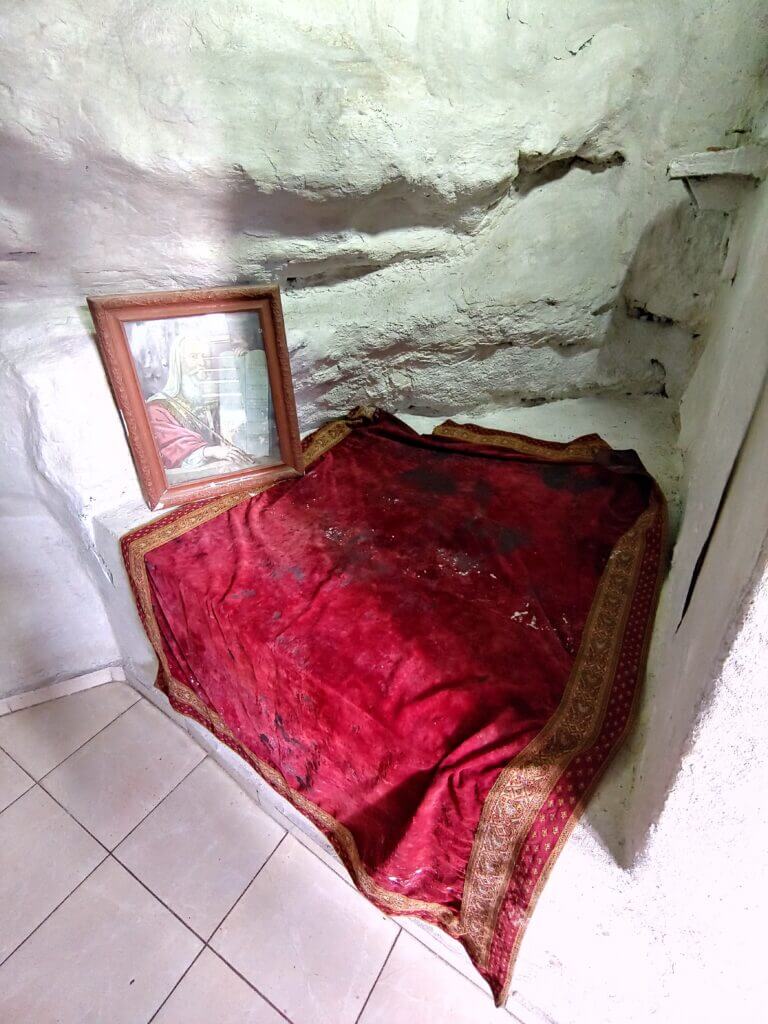
Shrine of Rabbi Abraham Moul Niss – In the town of Azemmour, we visited the shrine of Abraham Baal HaNess. The Morroccan community was extremely kabbalistic, and this shrine in a cave was traditionally the site of many miracles.
Day 3 – Marrakesh
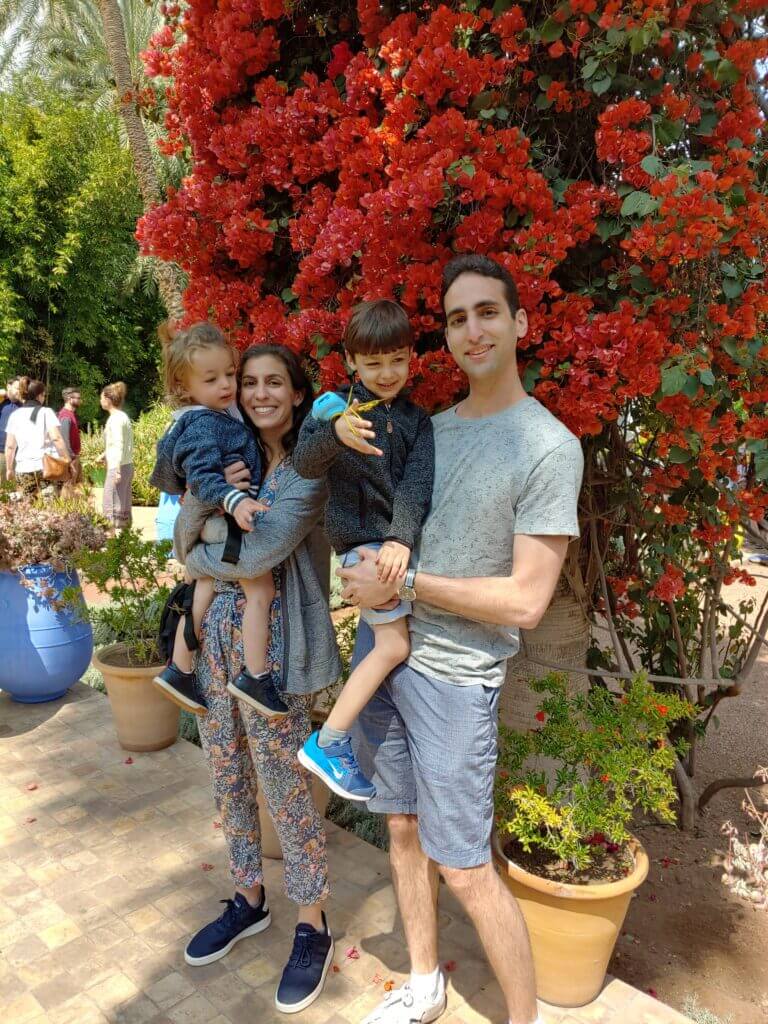
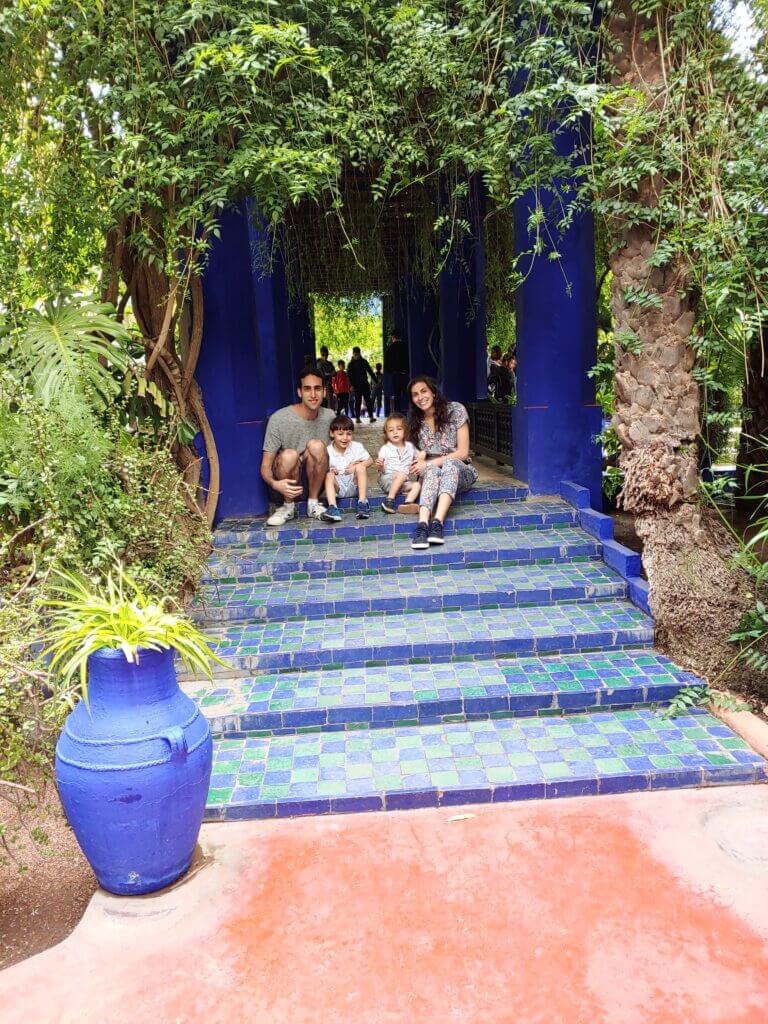
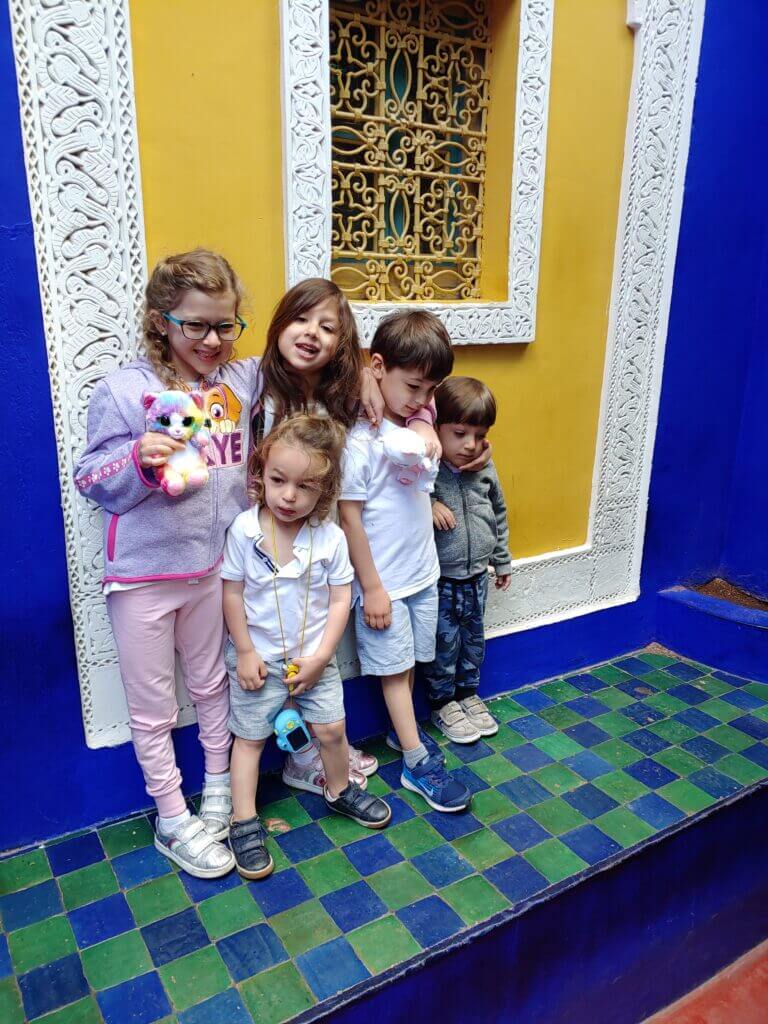
Majorelle Gardens – These beautiful French gardens were built in the 1920’s by Jacques Majorelle, later by Yves Saint Laurent. The grounds were decorated in a unique blue color now known as Majorelle blue.
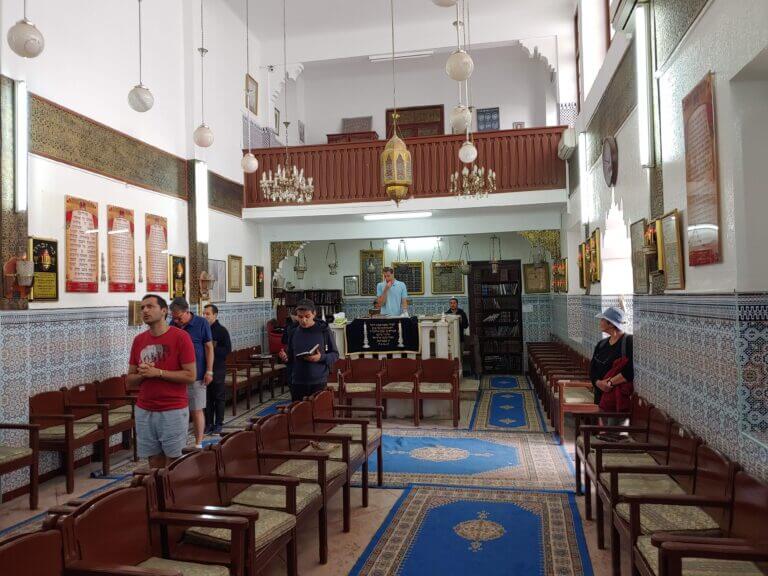
Al Azama Synagogue – After walking through the streets of the Mellah of Marrakesh (Jewish Quarter), we visited one of the shuls. It was built around a courtyard by Jews who were expelled from Spain in 1492. We prayed mincha, and saw some of the rooms around the courtyard.
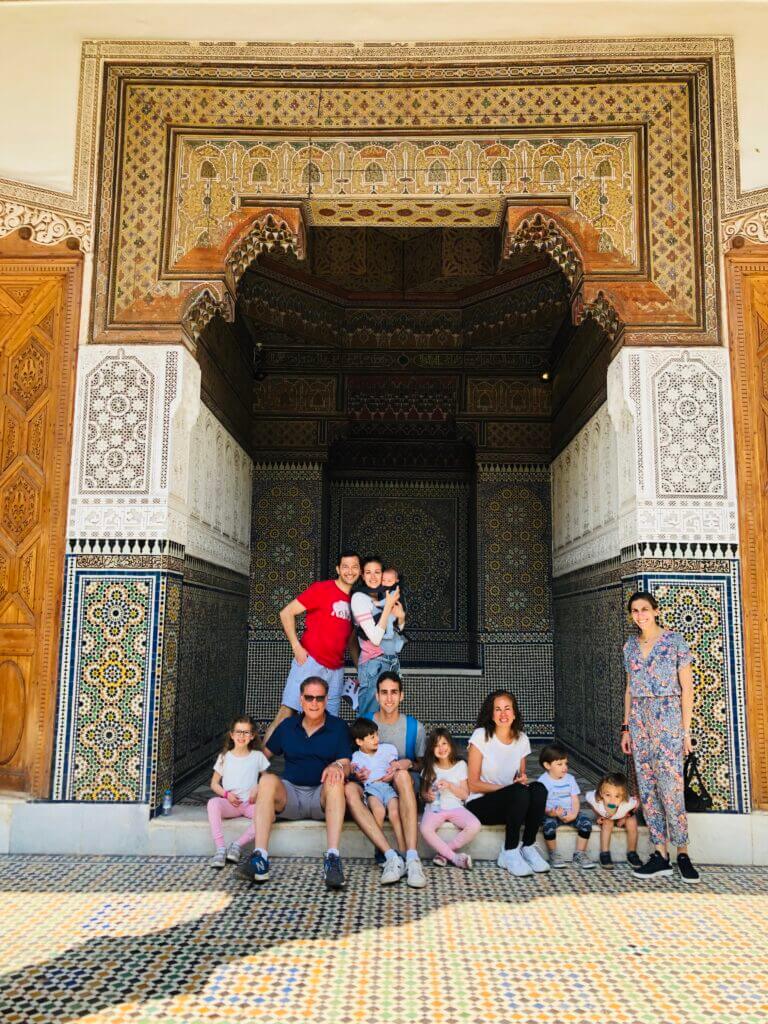
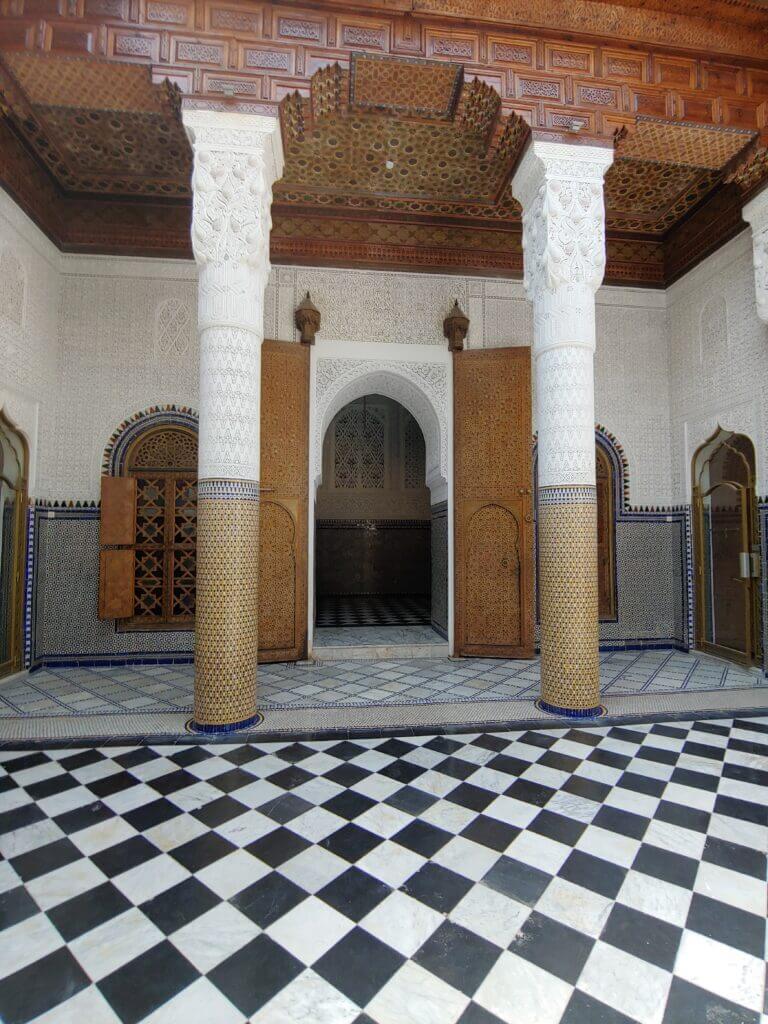
Dar El Bacha – Translating to house of the pasha, the palace was built in 1910 for Thami El Glaoui, who was appointed Pasha of Marrakesh. El Glaoui was known for being flashy and it’s said he built the palace to impress guests. The palace had many ornate mosaic tiled walls and floors, beautiful woodwork, and huge impressive doors.
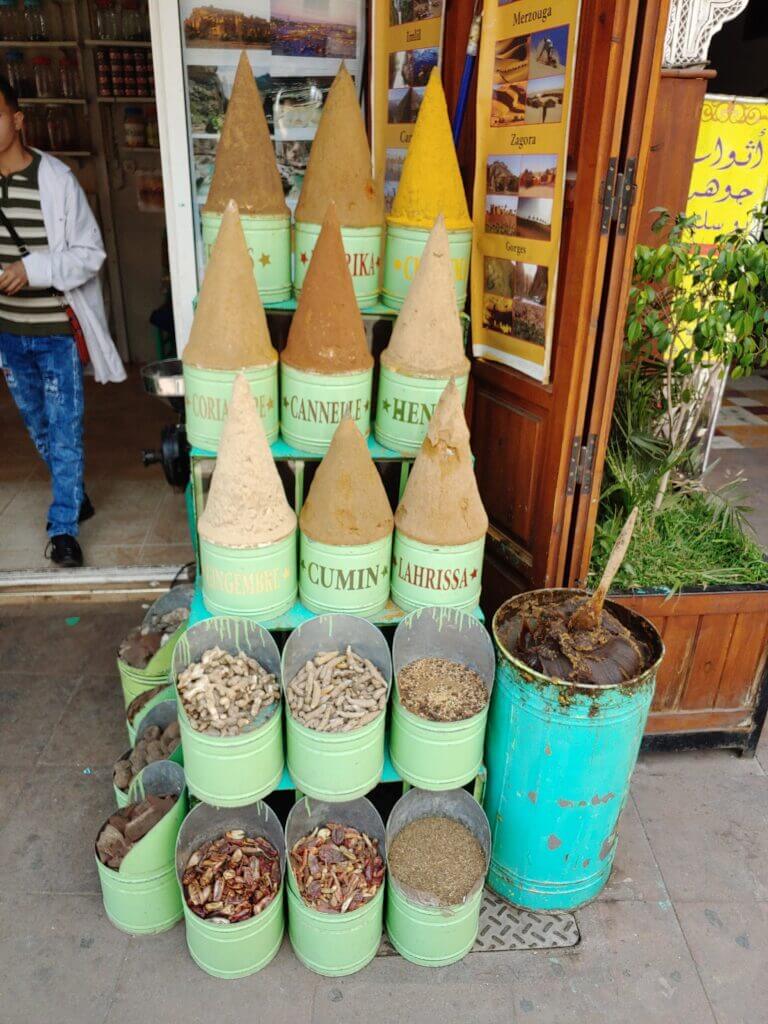
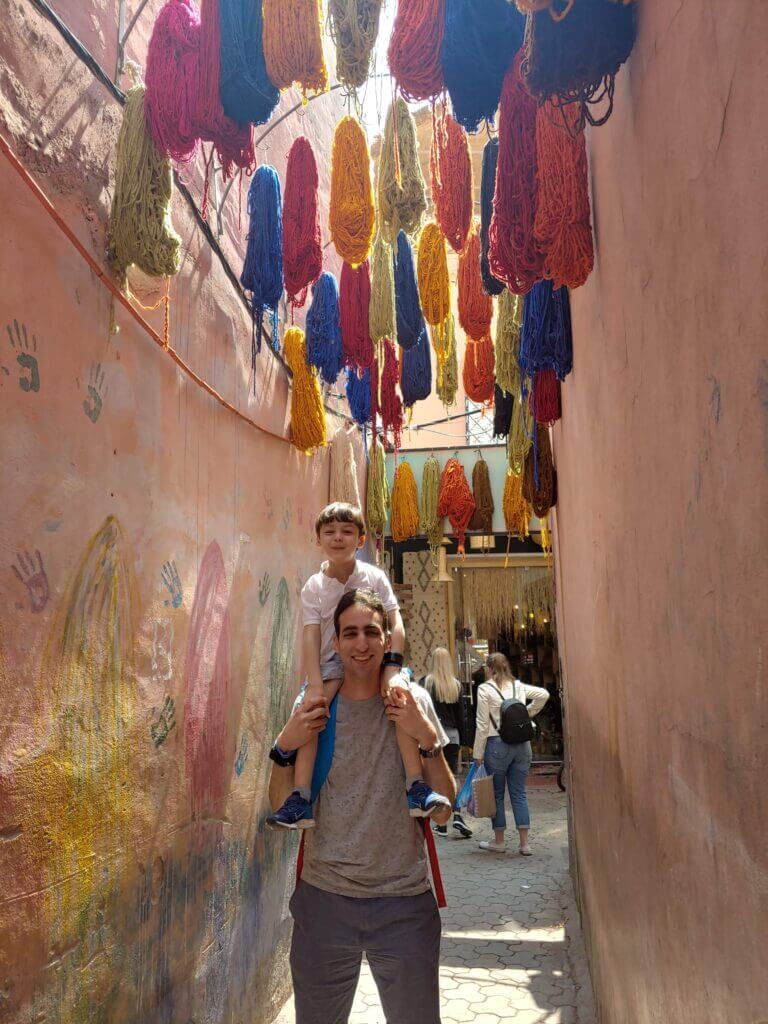
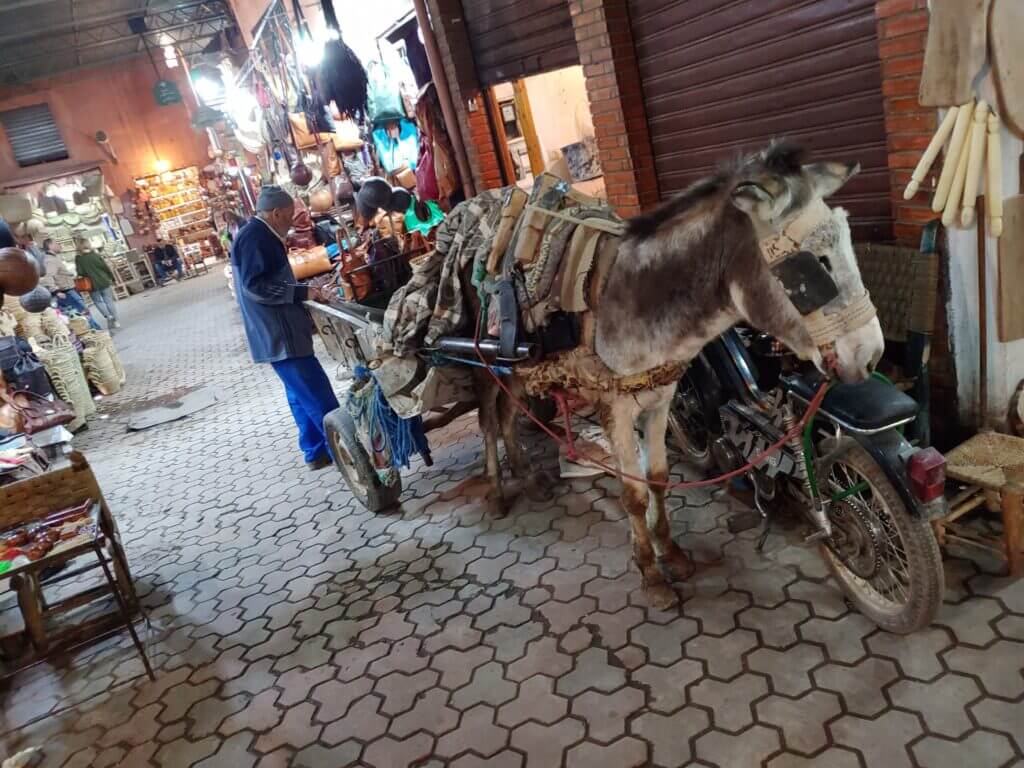
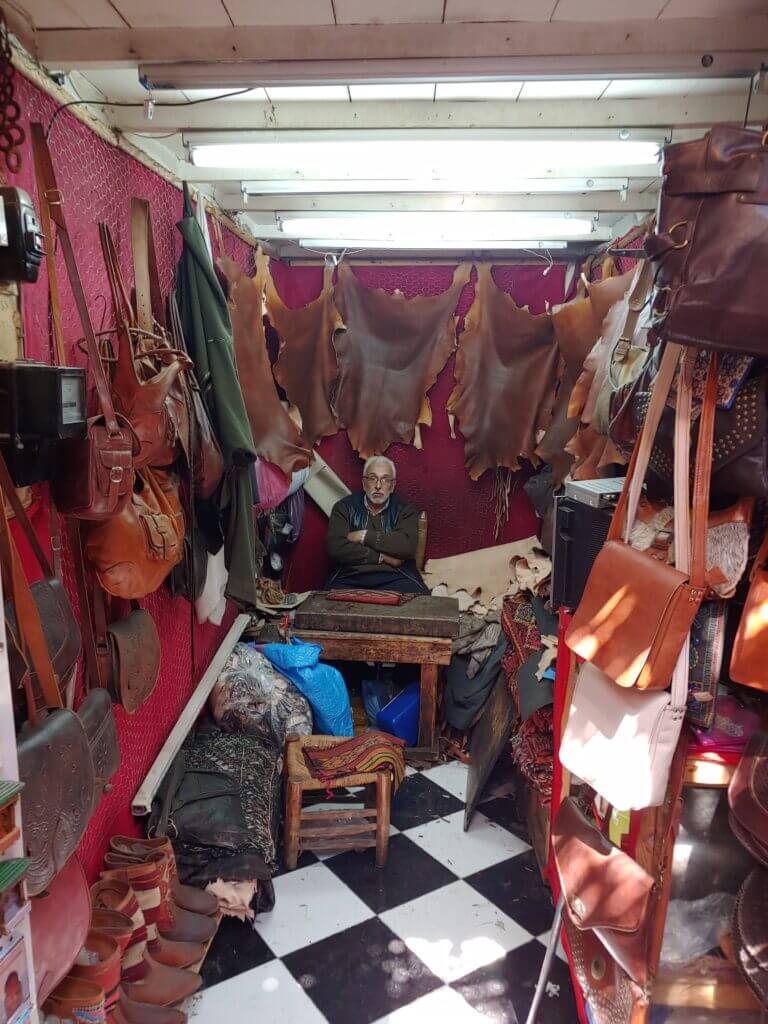
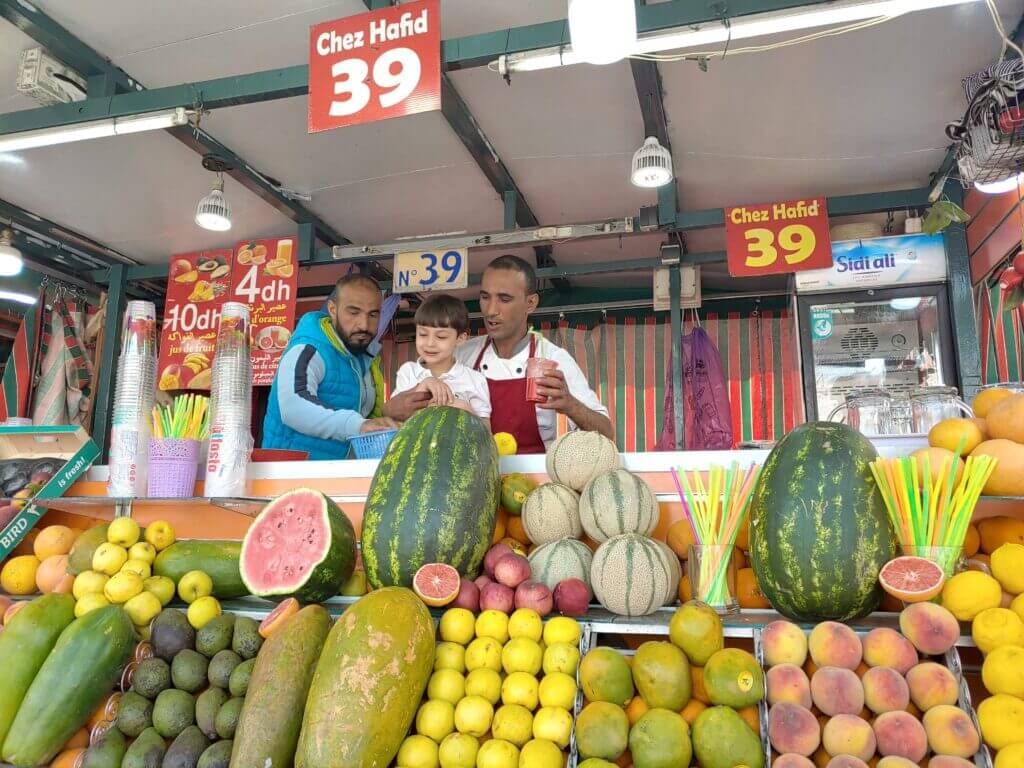
Jemaa El Fna Square and Marrakesh Souks – This main square was bustling with people – tourists and vendors. We saw the snake charmers, and monkeys. We walked through the huge complex of markets, with each type of industry having their own section. We bought a few souvenirs but generally just took in the feel for the place.